

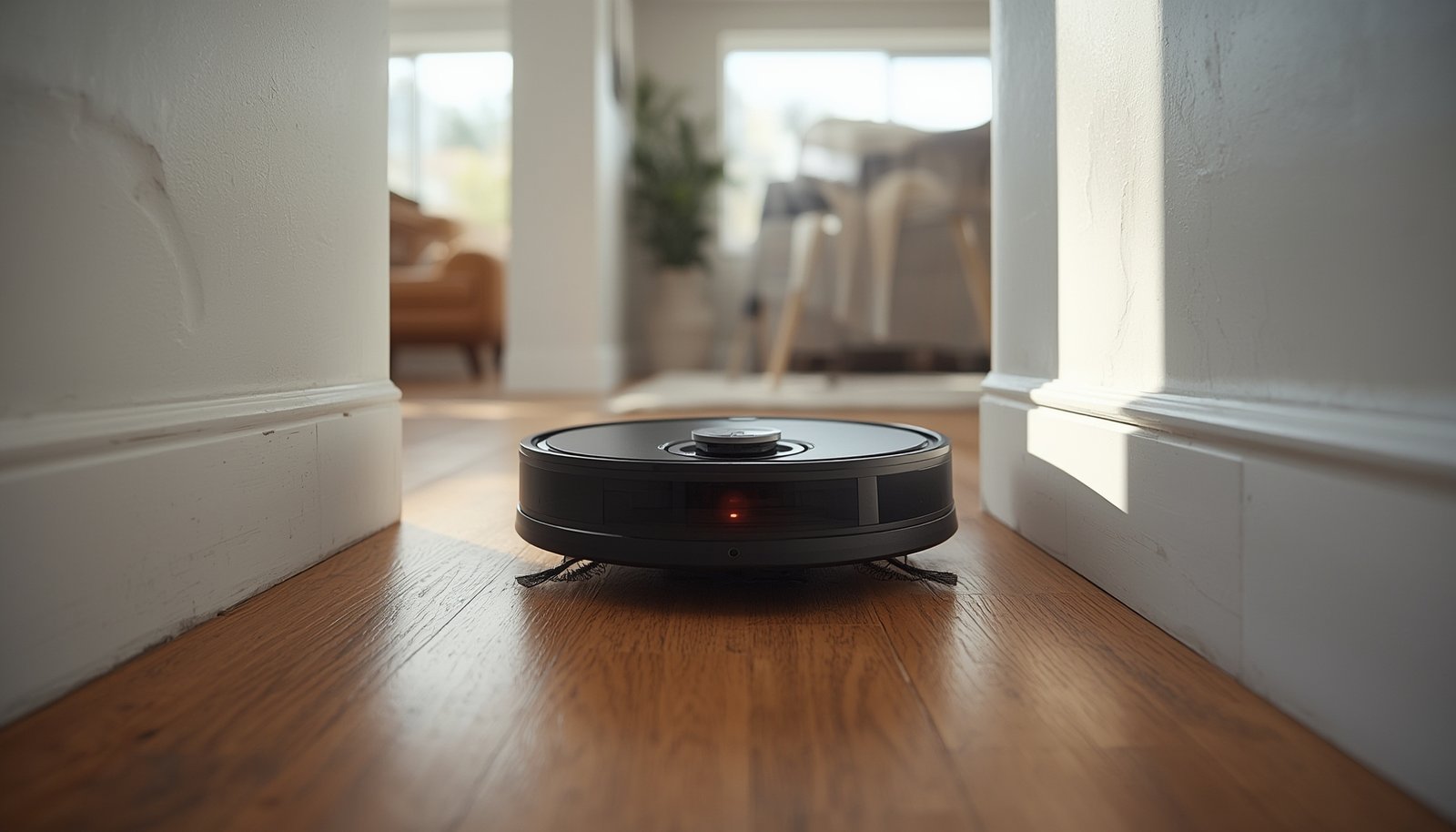
Robot vacuum edge cleaning is often the weak link in otherwise impressive smart home floor care. Corners and along baseboards routinely gather dust, pet hair, and debris that many robot vacuums partially leave behind. As navigation and brush developments accelerate, the question remains: how well do current models address this persistent challenge, and what can you realistically do to optimize edge and corner results?
Key Takeaways
- Robot vacuum edge cleaning is still far from perfect—most models struggle with corners and baseboards due to brush design and navigation limits.
- Advanced navigation and hybrid designs help, but real-world improvement in edge and corner cleaning is moderate and lacks robust data.
- Strategic preparation and a few manual interventions can significantly boost your robot vacuum’s edge cleaning performance.
- Understanding Robot Vacuum Edge Cleaning
- Step-by-Step Guide: Optimizing Robot Vacuum Edge Cleaning
- Advanced Analysis & Common Pitfalls in Edge Cleaning
- Conclusion
- FAQ: Robot Vacuum Edge Cleaning
Understanding Robot Vacuum Edge Cleaning
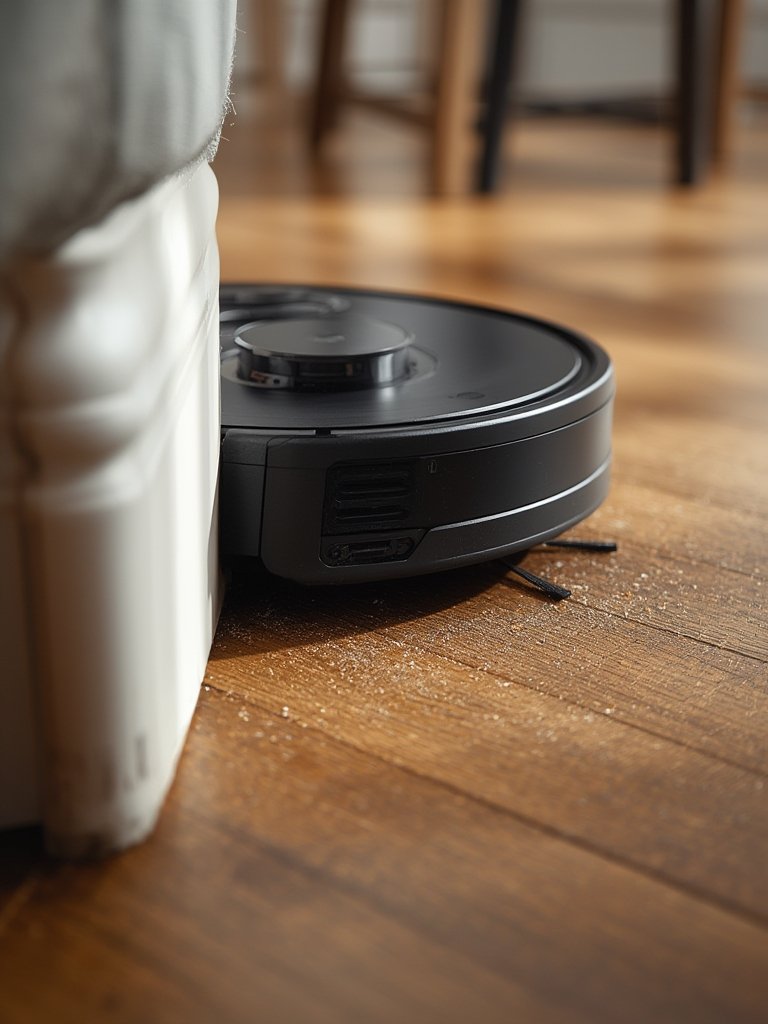
Edge and corner cleaning refers to a robot vacuum’s ability to remove dust and debris along baseboards and in room corners—areas where ordinary suction and round-bottomed devices often fall short. Most robot vacuums use spinning side brushes intended to sweep dirt into the suction pathway. However, perfect edge cleaning is rarely achieved because brushes can’t fully reach into sharp corners, and navigation patterns sometimes skip wall-following routes. This means edges and corners are often less clean, even after multiple cleaning cycles.
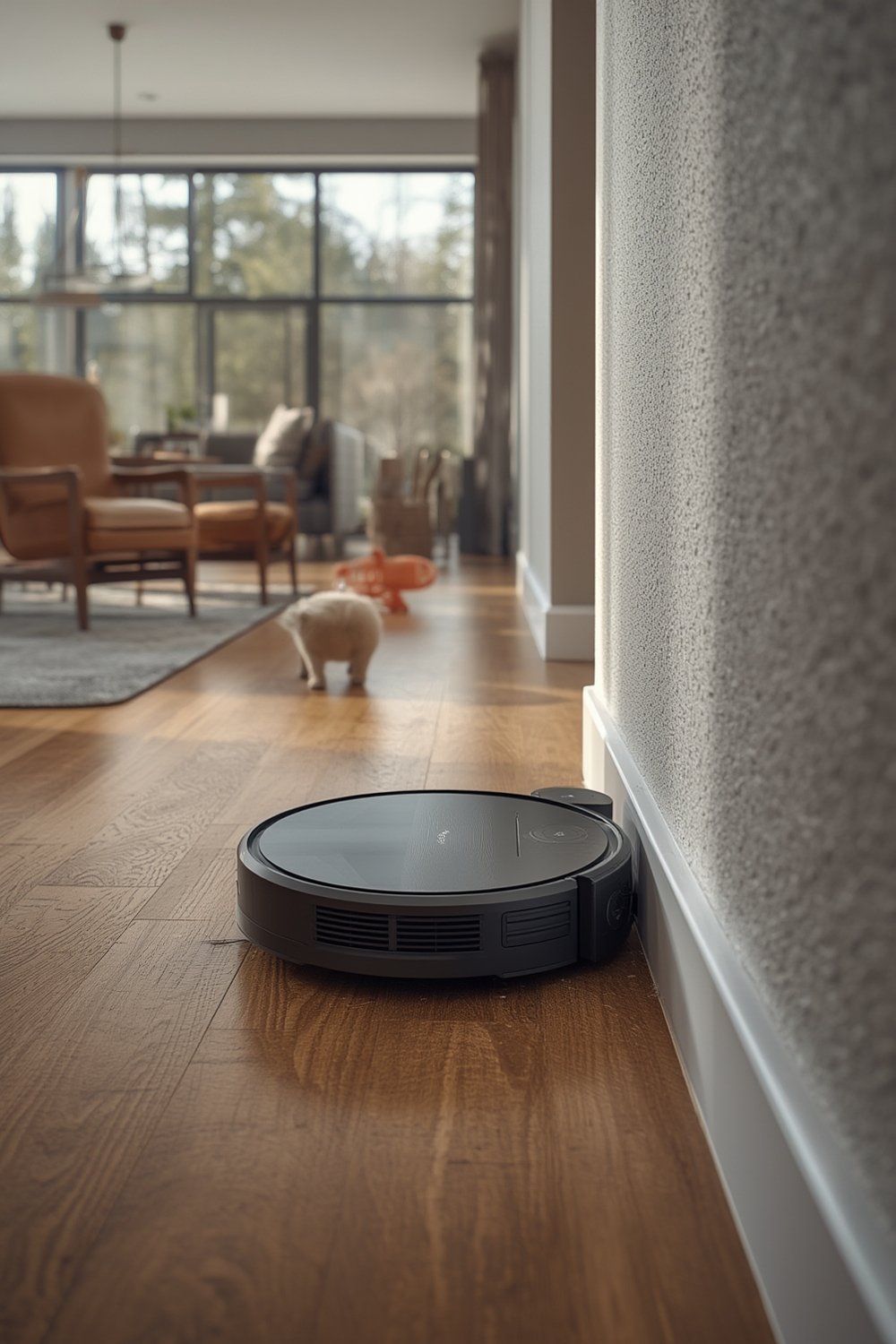
Frustration with this issue is so common that even top-tier smart home owners must occasionally touch-up borders by hand. While AI navigation and multifunctional hybrid models have reduced some inefficiencies, research shows these improvements haven’t fully overcome limits posed by complex furniture layouts or deep carpet piles. According to recent market analyses, struggles with layout complexity impact up to 20% of households, though not all incidents directly relate to edge cleaning.
Lab and user studies do not present robust evidence that specific features—like dual or extended brushes, edge-targeted sensors, or flush suction channels—make a substantial difference in real-world edge cleaning compared to general floor coverage. Most documented improvements revolve around navigation, obstacle avoidance, or ease of maintenance, not a dramatic leap in edge or corner cleaning power. This gap in coverage is a critical point to consider before purchasing any robot vacuum.
Step-by-Step Guide: Optimizing Robot Vacuum Edge Cleaning
Although technology gaps exist, you can achieve better edge cleaning results by combining practical setup, feature tuning, and simple manual solutions. Here’s a realistic approach for getting the best from your robot vacuum edge cleaning function:
- Clear the edges. Remove shoes, cords, bins, and pet bowls from along baseboards. Even low-profile barriers interrupt the robot’s edge path and side-brush performance. An unobstructed sweep improves the chances that debris will be drawn into the suction pathway.
- Set a wall-following navigation route. If your robot vacuum app allows custom zone mapping, set routes that prioritize wall-adjacent paths (sometimes called “Edge Mode” or “Manual Spot”). Repeat this every few cycles for heavy-traffic rooms. Hybrid models, like those discussed in the latest industry reports, typically offer this feature for better wall and edge cleaning control.
- Schedule repeat passes for corners. Because corner debris is rarely picked up fully on the first pass, schedule two runs or a “double clean” sequence focused on corners and perimeter zones. Don’t hesitate to adjust schedules based on household foot traffic or pet shedding patterns.
- Clean and inspect side brushes.
Check for tangled hair, dust-clogging, or bent bristles every week. Side brushes can be replaced easily on most brands. Keeping them in shape preserves their reach and helps direct debris where suction is strongest. - Manual finishing (the reality check). Once a week, use a handheld vacuum or microfiber duster to spot-check corners and high-traffic wall bases. Even premium robot vacuums—often costing 30-50% more, according to current market data—are not foolproof at edge cleaning.
Finally, if you’re balancing edge cleaning with overall home automation, consider reviewing new robot vacuums with 3D mapping or multi-floor intelligence. These provide more adjustable cleaning paths around obstacles and along detailed border layouts—for example, the robot vacuums with 3D mapping & multi-floor intelligence can proactively adapt to changing floor plans to limit missed edges.
Advanced Analysis & Common Pitfalls in Edge Cleaning
Taking a closer look at the robot vacuum edge cleaning landscape, certain persistent pitfalls remain. Data from recent research shows:
- No standard for edge cleaning performance. Unlike energy efficiency or battery safety—where regulations exist—there’s no third-party certification or metric tracking robot vacuum edge cleaning coverage. As a result, advertising claims remain unverified by outside labs (Mordor Intelligence).
- Performance gaps in home environments. While some models describe “edge-to-edge” brush reach, real-world performance in busy, cluttered, or complex-shaped homes remains inconsistent. Struggles increase in 15-20% of households with irregular layouts (IntelMarketResearch).
- User complaints focus on navigation, not edge issues. The most common grievances concern missed zones due to navigation errors, rather than specifically missed baseboard dust or corner debris. Surface transitions, dark carpets, and high-pile rugs are frequent culprits, perhaps under-reported in edge contexts (SkyQuestT).
| Feature | Typical Performance | Limitations |
|---|---|---|
| Standard Side Brushes | Sweeps loose dust near baseboards | Misses deep debris in sharp corners and behind chair legs |
| AI Navigation | Follows perimeters with higher precision | May skip zones if obstacles block sensors or mapped zone boundaries aren’t set |
| Hybrid/Edge-to-Edge Models | Wider brush span reaches baseboards | No significant difference found in most labs; real value unclear |
| Manual Follow-Up | Ensures completeness | Requires extra effort and time |
Many homeowners find that pairing robot vacuum edge cleaning with smart lighting automation helps reveal dust and floor imperfections missed by standard runs. If you’re upgrading your smart home ecosystem, explore automation lighting solutions that make spot checks easier between robot runs.
Conclusion
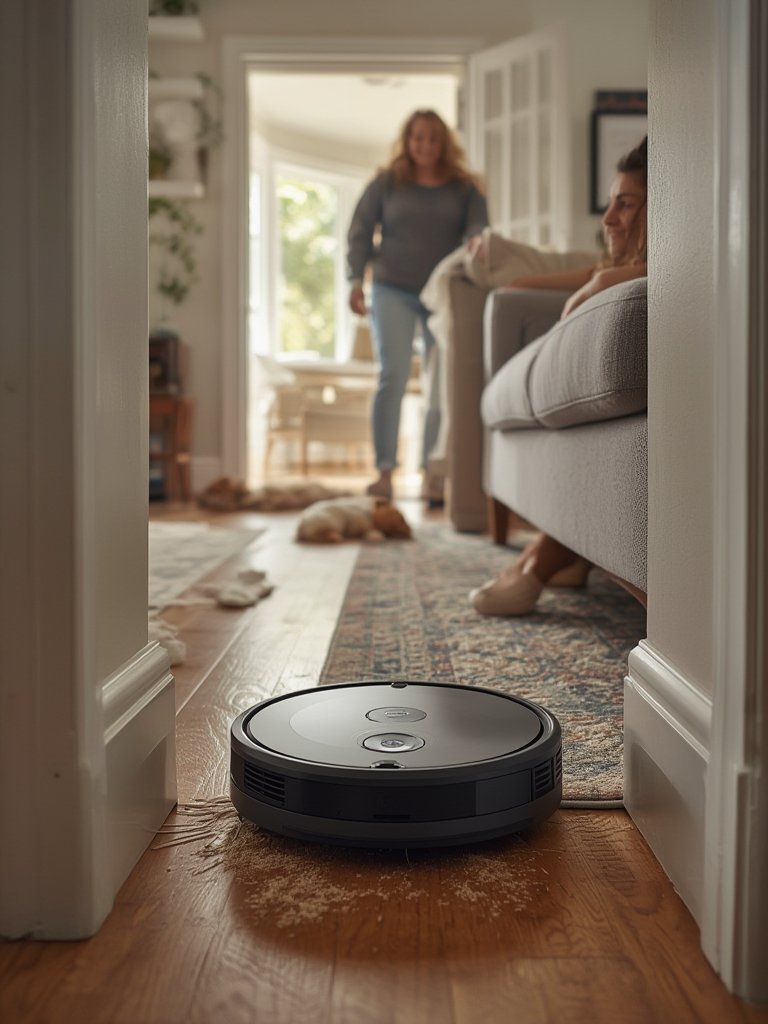
Robot vacuum edge cleaning is improving, but gaps in product standards and real-world consistency are clear. For now, a hybrid of automated routines, smart mapping features, and hands-on touchups gives the best results. As you evaluate any prospective upgrade or tweak your home routines, keep in mind that the most effective edge cleaning still combines machine power and manual attention.
Ready to level up your smart home? Try the advanced guides for robot mop auto dosing combos to push toward truly hands-off floor cleaning—even in the toughest edge and corner zones. Don’t settle for missed debris: take control and maximize robot vacuum edge cleaning in your household.
FAQ: Robot Vacuum Edge Cleaning
Do all robot vacuums offer dedicated edge cleaning modes?
No, only select models include a dedicated “edge mode.” Others attempt edge cleaning through side-brush designs and perimeter mapping, but effectiveness varies widely. Check your model’s app or manual for details.
Can advanced mapping sensors guarantee better edge cleaning?
Advanced mapping (like LiDAR or 3D) improves navigation, but does not guarantee thorough edge or corner cleaning. Real-world results still depend on brush design and the robot’s ability to follow wall paths closely.
Is there any way to certify a vacuum’s edge cleaning performance?
Currently, no third-party certifications or industry standards exist for edge cleaning claims. Most marketing statements about edge performance are unverified outside of manufacturer tests.
How do premium models compare to basic ones in edge cleaning?
Premium models may feature wider brushes or more advanced navigation for better coverage, but research shows only incremental improvement in edge cleaning. Manual touchups are still required in many homes.
Will robot vacuum edge cleaning get significantly better soon?
Edge cleaning is improving, but without specific standards or rapid brush innovation, major gains may be gradual. Look for models with updatable navigation algorithms and robust maintenance features for the best shot at steady improvement.