

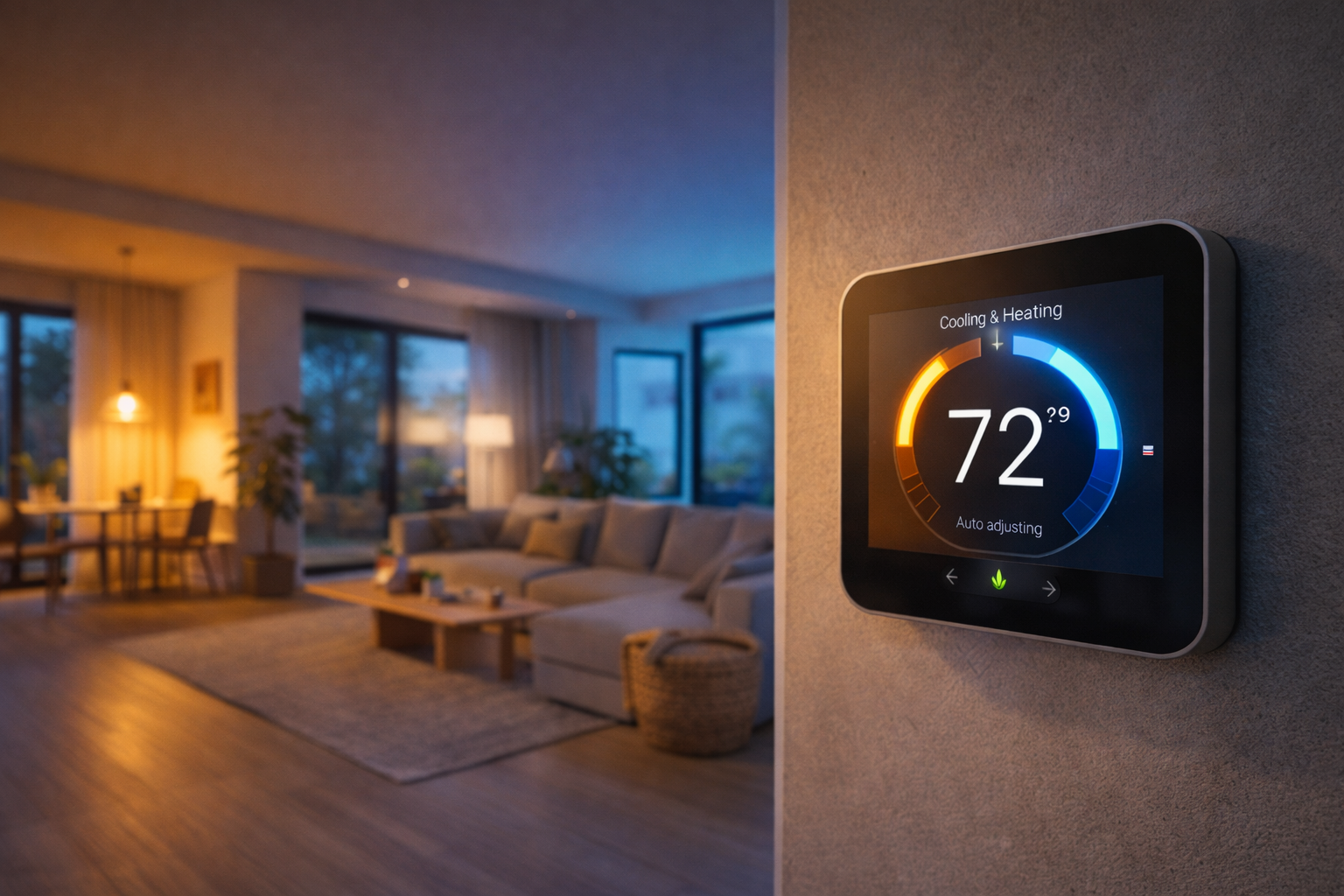
Predictive home automation is changing how we live by learning our routines and making homes smarter without manual input. Instead of controlling every device separately, these AI-driven systems predict when to heat, light, or secure your home—making daily life smoother and more energy-efficient.
Key Takeaways
- Predictive home automation uses AI to anticipate actions in your home, taking proactive steps for comfort and efficiency.
- Wireless protocols like Thread and Matter, along with local Edge AI, are crucial for trust and reliable performance.
- Adoption is booming, but users need to be aware of privacy, compatibility, and occasional accuracy issues.
- What Is Predictive Home Automation and Why Does It Matter?
- How to Set Up Predictive Home Automation: A Step-by-Step Guide
- Advanced Analysis and Common Pitfalls to Watch For
- Conclusion
- FAQ
What Is Predictive Home Automation and Why Does It Matter?
Predictive home automation uses artificial intelligence and machine learning to identify patterns in your daily habits. Instead of relying on timers or simple rules, the system learns when you leave for work, what rooms you use at certain times, and even which days you prefer certain lighting or temperature settings. By proactively adjusting devices, predictive AI reduces energy use, boosts security, and increases comfort—without the constant need for manual input.
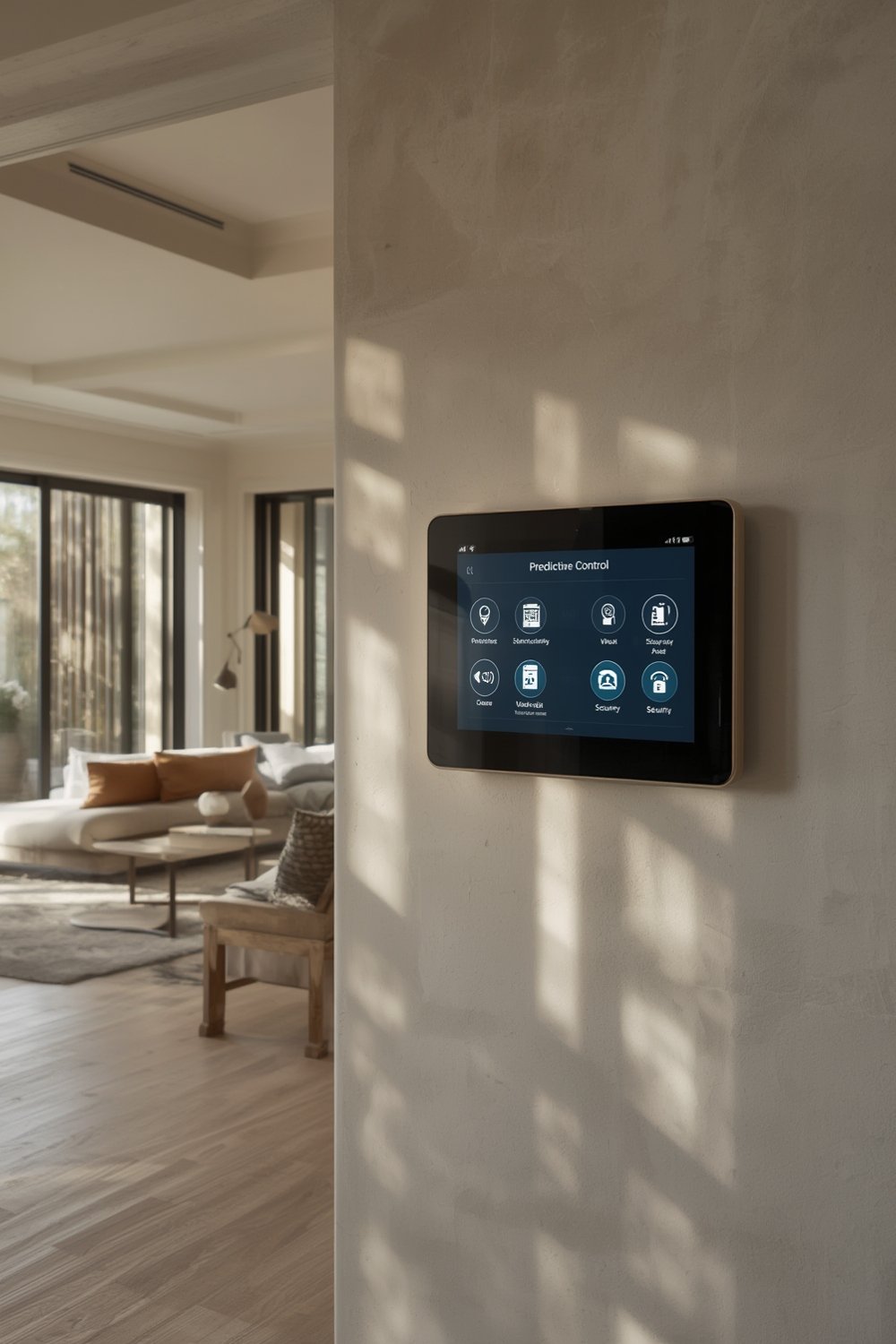
The rise of wireless standards like Thread and Matter has made it easier for smart home devices to speak to each other quickly and reliably. Meanwhile, Edge AI allows data processing to happen on the device, reducing lag and improving privacy by keeping personal data off the cloud.
The market reflects this shift. The global smart home automation sector is predicted to hit USD 168.61 billion by 2026, with North America leading in behavioral (predictive AI) solutions (source, source). As AI gets smarter and connectivity gets simpler, predictive home automation is fast becoming the new standard.
If you want to optimize specific devices, explore guides on indoor cameras or AI-powered home security cameras for improved automation strategies. For instance, see Indoor Camera: 7 Ultimate Steps For Amazing Home Security In 2026 and AI Powered Home Security Cameras: 7 Best Proven Ways to Protect Your Home.
How to Set Up Predictive Home Automation: A Step-by-Step Guide
- Define Your Main Goals
Decide if you want to focus on energy efficiency, security, comfort, or all three. Knowing your top priorities will guide what devices and routines to automate. - Select a Compatible Hub and Devices
Choose a central hub with robust predictive AI features and future-proof wireless protocols. Look for Matter-certified and Thread-enabled devices. Review your needs for essentials like smart thermostats, bulbs, security cameras, and motion sensors. For outdoor lighting, consider following tips in Select Dusk Bulb: 7 Ultimate Steps For Amazing Outdoor Lighting In 2026. - Map Your Routines
Let your system “observe” household routines for at least one to two weeks. Resist the urge to manually override decisions too early. The more quality data you provide, the smarter predictions become. - Enable Predictive Features
Activate the AI-driven learning or “Behavior Prediction” in your app. Some platforms, such as those leveraging Edge AI, allow on-device processing for improved privacy and speed. - Tune and Review Automation Regularly
Check which predictions work and which need refining. All predictive systems make mistakes, especially early on. - Upgrade When Needed
Make sure firmware and software updates are installed for security and new features. Platforms with regular updates and local model syncing (via Edge AI) perform best over time. - Secure Your Data
Review privacy controls and local processing options. Only sync essential data to the cloud if required.
For lighting-specific automation, explore steps from Smart Bulb: 7 Ultimate Steps For An Amazing Lighting Solution 2026—most predictive platforms use similar principles to make your living space more adaptive.
Advanced Analysis and Common Pitfalls to Watch For
While predictive home automation offers unmatched convenience, it is not without real-world issues. Here’s a breakdown of the most realistic challenges users face, alongside overlooked areas based on the latest research:
Common Pitfalls
- Prediction Drift: Over weeks or months, AI routines may become less accurate, especially if your schedule unexpectedly changes (such as during holidays or remote work periods). Regularly check and re-train or reset routines as needed.
- Device Compatibility: Not every smart device supports seamless cross-platform learning. Matter has improved things, but older gear may still lack true interoperability.
- Privacy Risks: Some systems process too much data in the cloud, increasing exposure. Opt for Edge AI systems that prioritize local processing.
- False Positives: Prediction errors can lead to annoying automatic routines—like lights turning on when not needed or heating schedules going haywire.
- Lack of Transparency: Many platforms still do not clearly explain how data is processed, adjusted, or used to improve prediction accuracy.
Comparison: Predictive AI vs. Rule-based Automation
| Type | How It Works | Pros | Cons |
|---|---|---|---|
| Predictive AI-Driven | Uses machine learning to track and predict user routines, updating automatically. | Hands-off, adaptive to change, potentially better for energy saving and comfort. | Needs time to learn, can drift if routines shift, privacy concerns with cloud systems. |
| Rule-Based/Traditional | Uses fixed schedules, timers, or manual triggers. No learning or adaptation. | Simple to set up, no surprises, fully predictable. | Not adaptive, easily broken by schedule changes, offers less optimization. |
| Hybrid (AI + Rules) | Combines routines (like wake-up lights) with predictive elements (like learning real wake times). | The best of both worlds; fallback to manual control if AI predictions fail. | Complex to configure, may require constant tweaking or user input. |
Platforms that enable Edge AI and fast wireless standards outperform standalone hardware in efficiency, user engagement, and satisfaction (source). But before investing, check for regular software updates and prioritize devices with transparent privacy and security policies.
Security remains a concern. For more advanced tips, see our guide on indoor cameras for amazing home security and our coverage of AI-powered home security cameras.
Conclusion
Predictive home automation is quickly reshaping the smart home landscape, moving from simple schedules to adaptive, AI-powered comfort and efficiency. The technology is growing fast—global adoption rates are surging year over year. Still, to get the full value from predictive home automation, users should pay close attention to device interoperability, data privacy, and regular optimization of routines. Start with scalable, compatible platforms, review privacy controls, and update software often to stay ahead. Ready to future-proof your home? Take your first step towards an automated, truly smart home today.
FAQ
What is predictive home automation and how does it work?
Predictive home automation uses AI and machine learning to observe and learn from your household habits, automatically adjusting lighting, heating, security, and more based on routines it detects. Unlike simple timers or manual controls, these systems adapt and anticipate your needs.
Are predictive home automation systems secure and private?
Security and privacy depend on the platform. Look for systems using Edge AI, which processes your data locally, and avoid those that sync everything to the cloud. Always check for devices with solid security policies and regular software updates.
Can I save money by using predictive smart home features?
Many users see reductions in energy bills due to more precise heating, cooling, and lighting control, but published research provides no exact figures. Actual savings vary depending on your home’s energy use and device selection.
What if my routine changes often—will the system adapt?
Most predictive AI platforms can relearn and adapt, but may need regular adjustments or retraining if your schedule varies significantly (like shift work or frequent traveling). Check for systems with user-friendly retraining options.
Will all my devices work together seamlessly?
Interoperability is improving with standards like Matter and Thread, but not all devices are compatible. Stick with certified products and check cross-platform support before purchasing new hardware.