

Integrated smart home security systems are revolutionizing how homeowners protect, monitor, and automate their properties. But not every system lives up to the hype—and getting it right requires an honest understanding of the technology, the costs, and the common roadblocks you might face.
Key Takeaways
- Integrated smart home security systems combine alarms, cameras, sensors, and automation to deliver comprehensive protection, but setup and compatibility headaches are common.
- Long-term costs, cybersecurity gaps, and ecosystem lock-in are often glossed over in marketing—plan ahead to avoid expensive mistakes.
- Choosing the right system means examining real user complaints, technical details, and the true value over time—not just upfront price or smart features.
- What Are Integrated Smart Home Security Systems?
- How to Set Up Integrated Smart Home Security Systems: Step-by-Step Guide
- Advanced Analysis & Common Pitfalls of Integrated Smart Home Security Systems
- Conclusion
- FAQ
What Are Integrated Smart Home Security Systems?
Integrated smart home security systems are an ecosystem of connected devices designed to protect your home in a seamless, automated way. This means alarms, smart cameras, door and window sensors, motion detectors, and even lights or locks all work together, usually controlled from a single app or hub. Unlike legacy systems, integrated setups can notify you of threats instantly, connect with your virtual assistants or lighting, and sometimes even take preventative action—like turning on floodlights when motion is detected.
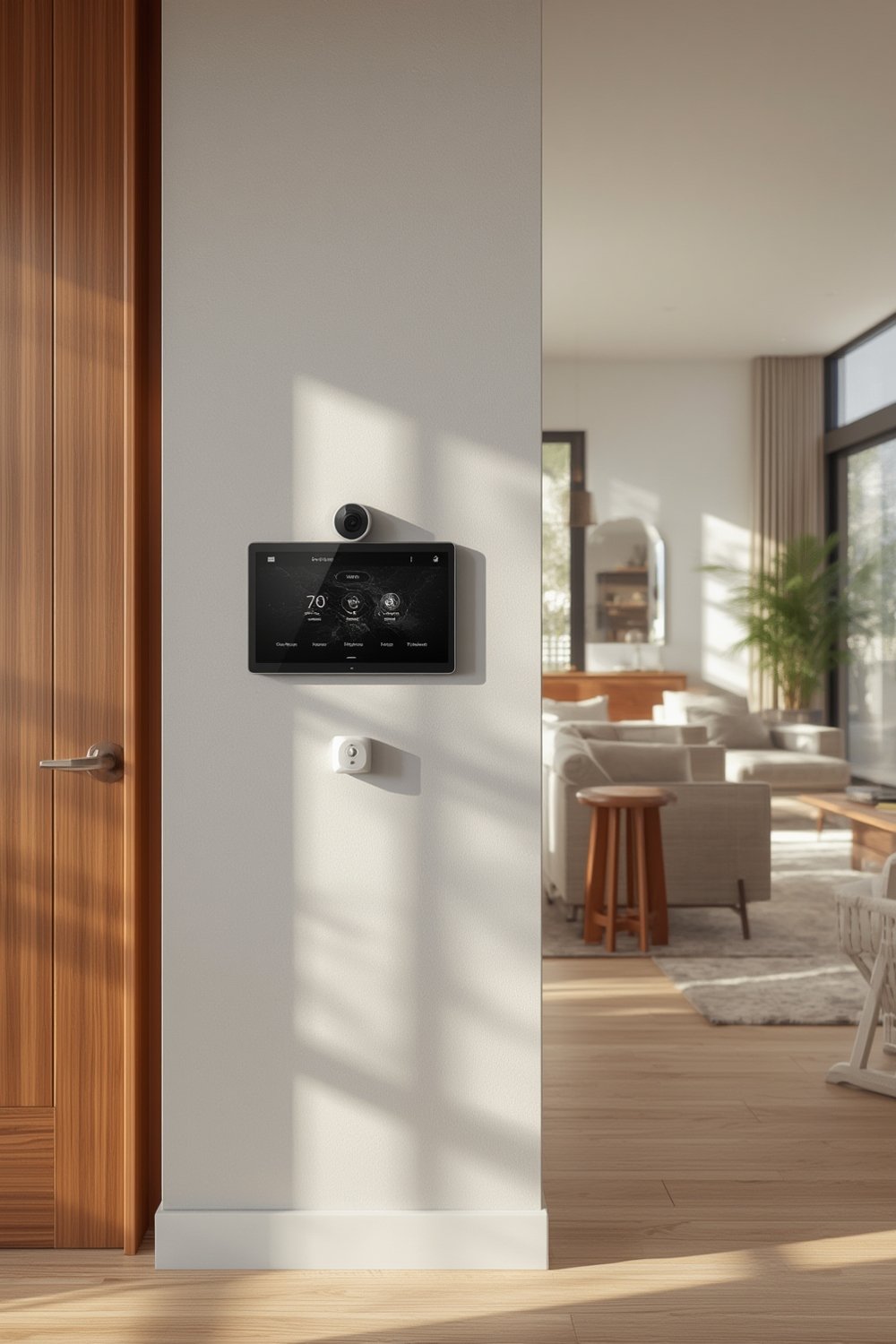
The goal is simplicity and expanded functionality: control, automate, and monitor your entire home from anywhere. But integration isn’t always flawless, and setup can range from a quick DIY project to complex, professionally installed systems.
Unlike traditional or piecemeal solutions, integrated smart home security systems reduce the risk of blind spots by ensuring all components communicate in real time. Some even use AI to spot suspicious activity and minimize false alarms. The best systems add flexibility—letting you use routines that combine security and comfort. For example, with smart indoor cameras, motion triggers can also activate lights or send instant video to your phone—no matter where you are.
How to Set Up Integrated Smart Home Security Systems: Step-by-Step Guide
Ready to protect your home with an integrated system? Here’s a realistic guide to doing it right:
- Assess Your Risks and Priorities. List out what you need: doors, windows, garages, yards, interior spaces. Do you want only burglary protection, or fire, CO, and flood sensors too?
- Choose Your Ecosystem. Decide if you want full integration (all devices under one app/hub) or if you’re okay with some devices in separate apps. Brands to consider include ADT, SimpliSafe, Vivint, and others. Research response times, privacy policies, monthly fees, and platform compatibility.
Fact: Some systems require contracts up to five years and have non-transparent pricing. Sources: Security.org - Design Your System (DIY or Professional).
- DIY: Pick modular, wireless devices that you can install and move yourself (ex: SimpliSafe).
- Professional: Providers like Vivint and ADT often require a technician and may include installation fees.
- Consider Connectivity and Redundancy. Aim for systems with cellular and battery backup, so Wi-Fi outages don’t leave you exposed. Vivint, for instance, offers both options (Source).
- Integrate With Other Smart Devices. Check if your security system works with smart plugs, lights, or thermostats. True integration offers automation and more convenience.
- Test and Fine-Tune. After setup, regularly test alarms, response times, and see how well your system reduces false alarms. Most leading systems let you run test modes without alerting authorities.
- Monitor, Maintain, and Update. Keep apps updated, swap batteries as recommended, and review new features or upgrades to keep your protection current.
If you want to expand your security beyond the basics, check out options like biometric smart locks that let you unlock doors with your fingerprint and set up time-based access for guests or deliveries—eliminating traditional key management hassles!
Advanced Analysis & Common Pitfalls of Integrated Smart Home Security Systems
Integrated smart home security systems promise peace of mind, but performance, compatibility and cost surprises can trip up even savvy consumers. Here are advanced considerations and common pitfalls, many revealed by verified user reviews and technical audits:
User-Reported Pain Points
- Customer Support Woes: Long hold times, inconsistent service, and difficulties with cancellations/billing are common complaints. Source
- False Alarms & Technical Hiccups: Some systems are prone to false alerts from pets, passing cars, or even shadows, leading to frustration or “alarm fatigue.” Source
- Integration Headaches: Not all brands allow deep integration with third-party smart home devices. Some require you to manage cameras or automation separately, defeating the “all-in-one” promise. Source
- Contract and Transparency Issues: Watch for long contract commitments (up to five years), hidden fees, or required up-front equipment purchases.
- Privacy Concerns: Many users worry about always-on cameras and microphones, as well as how footage is stored and who can access it.
- Installation Obstacles: Some systems require professional installation, with no true DIY option.
Technical Specs: Performance & Differentiators
| Brand / Feature | Field of View | Response Time | Camera Extras | Contracts | Monthly Fees (2024) | Install Type |
|---|---|---|---|---|---|---|
| Vivint | 180×180° | Unknown | Smart Deter (90dB, LED Ring), Night Vision | Yes, up to 5 years | $29.99 | Pro only |
| SimpliSafe | Not listed | 10s (Camera/two-way), Cell+Battery Backup |
Privacy shutter, No contract | No | $24.99–$44.99 | DIY / Optional Pro |
| ADT | Not listed | ~30s avg (Alarm), Instant text alerts |
Not listed | Yes | Up to $49.99 | Pro only |
For a deeper technical dive on AI camera detection and false alert reduction, see the AI-powered camera review with field test results.
Underaddressed Risks & Realities in 2024
- Total Cost of Ownership: Monthly fees add up fast, especially with long-term contracts. Upfront equipment purchases, installation, upgrade costs, and insurance breakouts can make the real price much higher than advertised.
- Cybersecurity Gaps: New security flaws are discovered constantly. Most leading providers do not clearly publish their encryption or compliance practices—and few are transparent about breach history.
- Interoperability Limits: Vendor lock-in is real. If you want to migrate to a different brand later, you could face replacing all hardware or losing access to advanced features. Consider ecosystems and standards before you commit.
- Data Privacy & Storage: Most systems upload video and data to the cloud. Review where your footage is stored, how long it’s kept, and under what circumstances it could be accessed or subpoenaed.
- Lack of Compliance Data: Public information on certifications like UL, ISO, or NIST alignment is spotty at best. If you want insurance discounts or regulatory compliance, verify with your provider first.
For integration tips—such as using smart dusk bulbs to deter burglars—mixing automation with security increases both protection and convenience.
Conclusion
Integrated smart home security systems are more accessible than ever, offering robust protection, smart automation, and peace of mind—if you select and configure them thoughtfully. Keep your expectations realistic. Read genuine user reviews, weigh installation requirements, check integration with your preferred devices, and dig into the true long-term costs before you commit. Prioritize security standards and privacy practices for real peace of mind.
Ready to transform home protection and comfort with the best integrated smart home security systems? Take the next step—compare offers, test compatibility with your current gear, and start building a blueprint for smarter, safer living. Your home—and your data—are worth it.
FAQ
What is the main advantage of integrated smart home security systems over traditional setups?
Integrated systems let all security components—alarms, cameras, sensors—work together, enabling real-time alerts, automation, and remote control from a single app. This minimizes blind spots and improves response.
Do integrated smart home security systems work without an internet connection?
Many rely on Wi-Fi for alerts and remote access. The best options include cellular and battery backup for basic alarm functionality if internet fails. Always check redundancy support before buying.
Are there privacy risks with integrated smart security?
Yes. Devices often use cloud storage and always-on microphones/cameras, which could expose personal data. Research your provider’s privacy policies, encryption standards, and where data is stored.
What should I watch out for with contracts and fees?
Some providers require long-term contracts (up to five years), non-transparent pricing, or high installation/equipment fees. Check for hidden costs, early termination penalties, or bundled gear you may not need.
Can I mix devices from different brands in one system?
Some hubs and apps allow limited third-party integration, but true “mix and match” compatibility is rare. Look for systems supporting universal standards (like Matter, Zigbee, or Z-Wave) for better flexibility.