

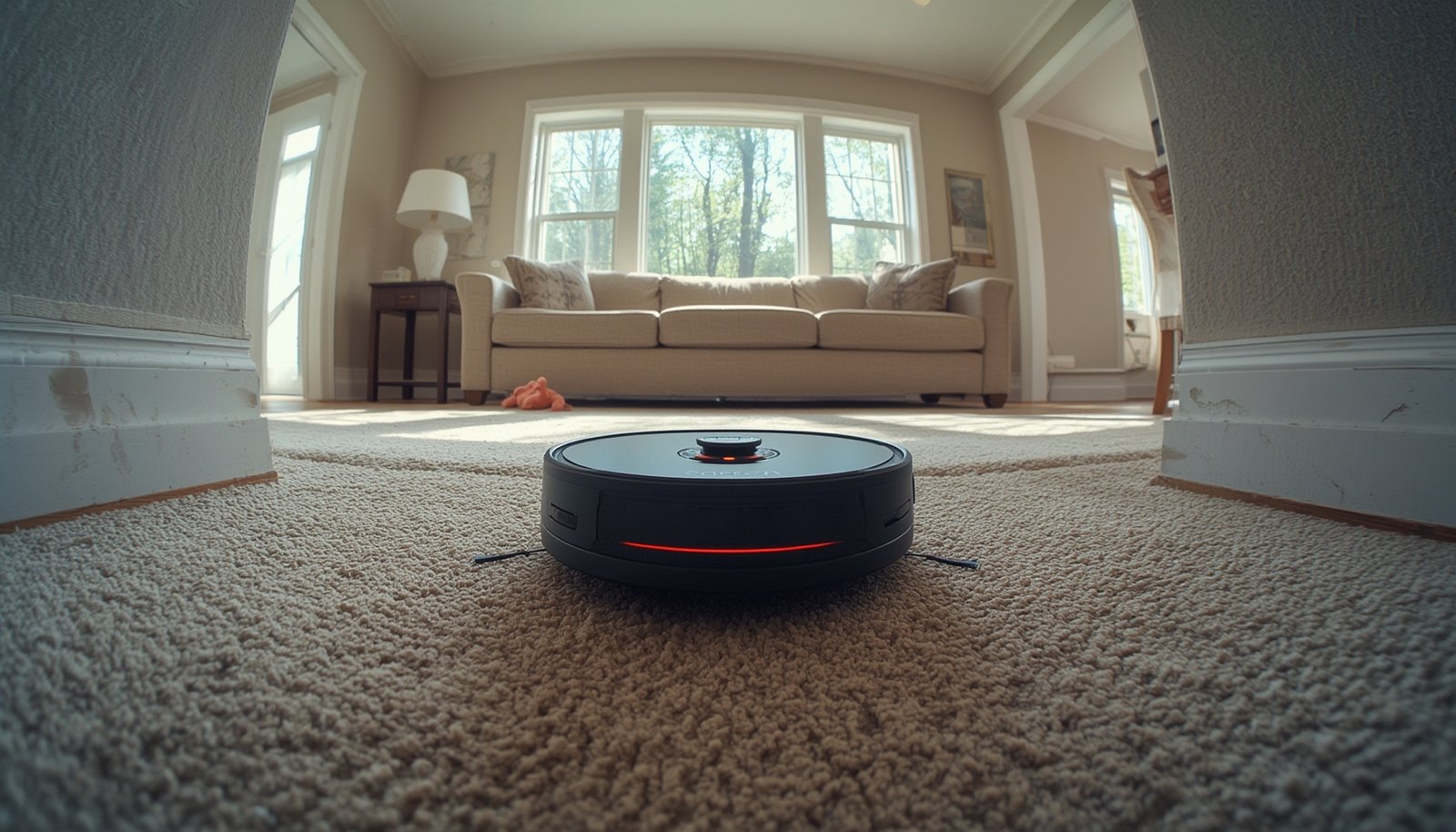
Robot vacuum carpet boost is changing the way homeowners clean carpets, delivering better results with minimum effort—but not every model or feature works equally well. If you want reliable deep carpet cleaning (especially for thick piles or pet hair), it pays to understand what carpet boost really is, why it matters in 2024, and how to pick a model that won’t disappoint beneath the surface.
Key Takeaways
- Robot vacuum carpet boost features deliver stronger suction specifically for carpets, but effectiveness greatly varies between entry, mid-tier, and premium models.
- Many robots struggle or even fail to auto-boost on thick or high-pile carpets—luxury models like Roborock Qrevo CurvX and Mova V50 Ultra Complete perform best in real lab tests.
- Consider long-term factors like battery drain, sensor reliability, and maintenance when using carpet boost features often, especially in homes with pets or heavy debris.
- Robot Vacuum Carpet Boost: The Core Concept
- Step-by-Step Guide: Maximizing Robot Vacuum Carpet Boost
- Advanced Analysis & Common Pitfalls of Carpet Boost Vacuums
- Conclusion: Making Carpet Boost Work for You
- FAQ: Robot Vacuum Carpet Boost
Robot Vacuum Carpet Boost: The Core Concept
Robot vacuum carpet boost refers to intelligent vacuum settings that automatically detect when the machine moves onto a carpet, then ramp up suction to extract more dirt, dust, and pet hair than standard modes. In 2024, top-performing robots automatically switch between regular and “boost” modes using sensors, increasing suction from baseline figures (as low as 2,000–3,000 Pa) up to 10,000, 20,000, or even beyond 22,000 Pa for industry leaders. This targeted boost is crucial for deep pile and high-traffic areas, where embedded dirt can’t be removed with standard floors-only suction.
According to recent lab tests, models like the Roborock Qrevo CurvX and Mova V50 Ultra Complete stand out by combining ultra-high suction, advanced brush systems, and adaptive chassis lift to traverse most thresholds and deep carpet piles. This sets them apart from mid-range units—where boosting often fails or underperforms on thick carpets. The result? Noticeably cleaner carpets with far less manual intervention, especially in homes with kids, pets, or frequent spills (Vacuum Wars 2024 robot vacuum review).
Step-by-Step Guide: Maximizing Robot Vacuum Carpet Boost
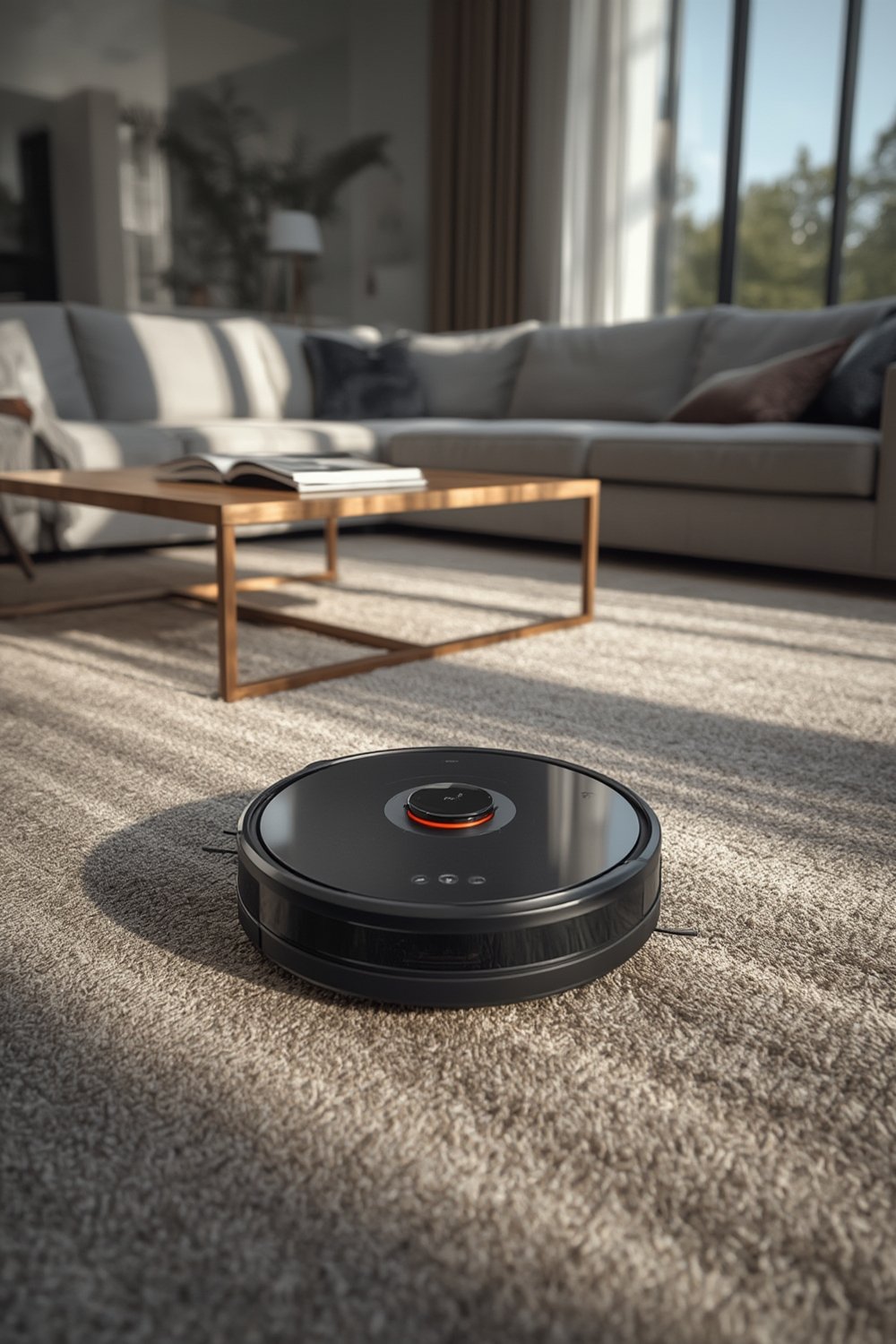
Follow these steps to make sure your robot vacuum carpet boost does more than make noise—it actually improves cleaning outcomes, battery health, and user experience.
- Check Your Model’s Boost Specs: Start by consulting your robot’s product manual or manufacturer FAQs. Not all models have true auto-boost; even among those that do, suction ratings and sensor performance differ dramatically. Aim for a model with at least 4,000 Pa if you have medium to high-pile carpets. Top models like the Mova V50 Ultra Complete (24,000 Pa) or Dreame L40 Ultra (20,000 Pa) automatically adjust power as needed. For more on advanced mapping and obstacle avoidance in modern vacuums, see multi-floor intelligence robot vacuums.
- Optimize Placement & Map Setup: Place the charging dock and base on a hard surface and away from deep pile carpets. Run an initial mapping clean to help your robot accurately distinguish carpeted spaces for future boost activations.
- Enable (and Tweak) Auto-Boost Settings: Through the companion app, verify that “carpet boost” or “auto-suction” is enabled. Some apps let you manually tweak boost strength or create ‘no-go’ zones—useful for especially thick, high-pile rugs where standard auto-boost may struggle.
- Monitor Battery and Cleaning Cycles: Expect shorter runs when boost mode is active across a lot of carpet. Use multi-floor scheduling to optimize battery usage and reduce wear (source).
- Adjust Maintenance Intervals: Carpet boost increases debris pickup, especially pet fur, but fills dustbins and requires more frequent filter and brush cleans. Some docks offer 100-day auto-empty docking, but physical checks remain essential, particularly in homes with shedding pets.
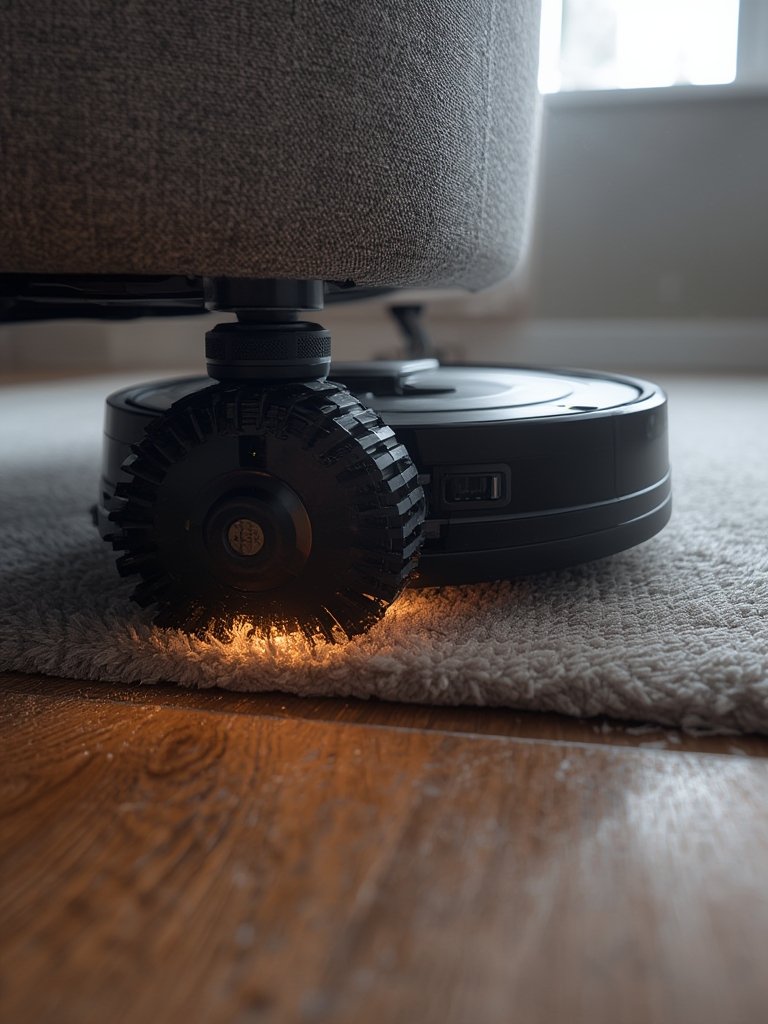
- Periodically recalibrate the robot’s sensors and update the mobile app for performance boosts and bug fixes.
- Keep your robot away from wet carpets or large piles of loose debris—these can trigger clogging and sensor malfunctions, even in premium models.
- Don’t overload carpets with powder cleaning agents or baking soda right before an auto-boost cycle; even high-end vacuums can clog or overheat under unusually heavy loads.
Advanced Analysis & Common Pitfalls of Carpet Boost Vacuums
While robot vacuum carpet boost features represent some of the best current cleaning tech, real-world results reveal several downsides and inconsistencies:
| Model/Tier | Max Suction (Pa) | Carpet Boost Sensor | Performance on Thick Carpet | Battery Impact | Maintenance Needs |
|---|---|---|---|---|---|
| Roborock Qrevo CurvX | 22,000 | 3D & pressure | Excellent | Moderate-high | Low (auto-empty dock) |
| Mova V50 Ultra Complete | 24,000 | Pressure & DToF | Excellent | High | Moderate |
| Mid-Tier Brands | 3,000–5,000 | Basic/IR | Below Average | Low-moderate | High (more clogs) |
| Dreame L40 Ultra | 20,000 | Optical | Great | High | Moderate-low |
| Entry-Level Robots | 1,500–3,000 | None/Basic | Poor | Low-moderate | High (manual emptying) |
- Sensor reliability is inconsistent: Many mid-tier robots struggle to trigger boost on thick or shag area rugs—a common user complaint echoed in 2024 Vacuum Wars reviews (source).
- Battery life drops with frequent boost: If most of the home is carpeted, even premium models see shorter per-charge clean times, and motors may wear faster—something rarely covered in slick product listings. Battery conservation tricks matter more in multi-surface homes.
- Pet hair and long fibers still challenge most models: Anti-tangle systems help, but severe tangling/clogs happen on thick carpets in nearly all but the top models. If pet fur is an issue, clean rollers and brushes more frequently and choose a hybrid unit with auto-maintenance features.
- Mop-lift features have limits: Many robots automatically lift mops to avoid wetting carpets, but if the vacuum fails to boost suction, mopping mechanisms alone cannot remove embedded debris from thick piles (Vacuum Wars).
- Most manufacturer warranties and user reviews don’t address long-term sensor reliability above 2–3 years, so expect some reduction in boost accuracy over time—especially if cleaning in sand, powder, or heavy pet homes.
It’s also important to consider price and upgrade cycles. Entry-level and mid-range vacuums might be affordable, but tend to lack the power or sensor innovation found in today’s ultra-premium models. Regular firmware updates, available for leading brands like Roborock and Dreame, help address some performance gaps, but core hardware limitations persist.
For those interested in more advanced features, such as mapping or 3D navigation, see our in-depth guide to 3D mapping robot vacuums.
Conclusion: Making Carpet Boost Work for You
Robot vacuum carpet boost offers vastly improved cleaning performance on carpets, especially with today’s best-in-class models from Roborock, Mova, and Dreame. But be realistic: not every boost is created equal, especially on thick or high-pile surfaces. For most homes, investing in reliable suction, sensor quality, and regular maintenance will unlock the best results. Ready to experience a cleaner home? Check your floors, dig into model specs, and make robot vacuum carpet boost your secret weapon for spotless carpets. Start by reviewing the latest lab-tested robots—and upgrade from frustrating entry-level models to one built for your needs.
FAQ: Robot Vacuum Carpet Boost
What is robot vacuum carpet boost, and how does it help?
Robot vacuum carpet boost is an automatic feature that increases suction power whenever the device detects carpet or rugs underfoot. This extra suction is critical for removing dust, dirt, and pet hair that sinks deep into carpet fibers, especially on medium to high-pile carpets.
Which robot vacuums have the best carpet boost for thick carpets?
Premium models like the Roborock Qrevo CurvX and Mova V50 Ultra Complete offer up to 22,000–24,000 Pa suction and advanced sensor technology, making them more effective for deep cleaning thick or high-pile carpets. Mid-range and entry-level robots often underperform or miss auto-boost triggers on these surfaces.
Does carpet boost drain the robot vacuum’s battery faster?
Yes. Carpet boost increases motor power, which uses more energy and reduces the run time per charge—especially when cleaning mostly carpeted areas. Some high-end units offset this by reducing suction automatically on hard floors to conserve battery life.
Can I use carpet boost on all types of rugs and carpets?
Carpet boost works best on flat-weave, medium, and low-pile carpets. Thick or shag rugs may still challenge sensors or motors in many models. For delicate or handmade rugs, use lower suction settings or set “no-go” zones to prevent wear or snagging.
How often should I clean brushes and filters if I use carpet boost frequently?
If your home has pets or lots of carpeted space, clean brushes and filters every 1–2 weeks. High suction and boost modes pick up more debris, meaning dustbins fill faster and components clog sooner than in homes with mostly hard floors.