

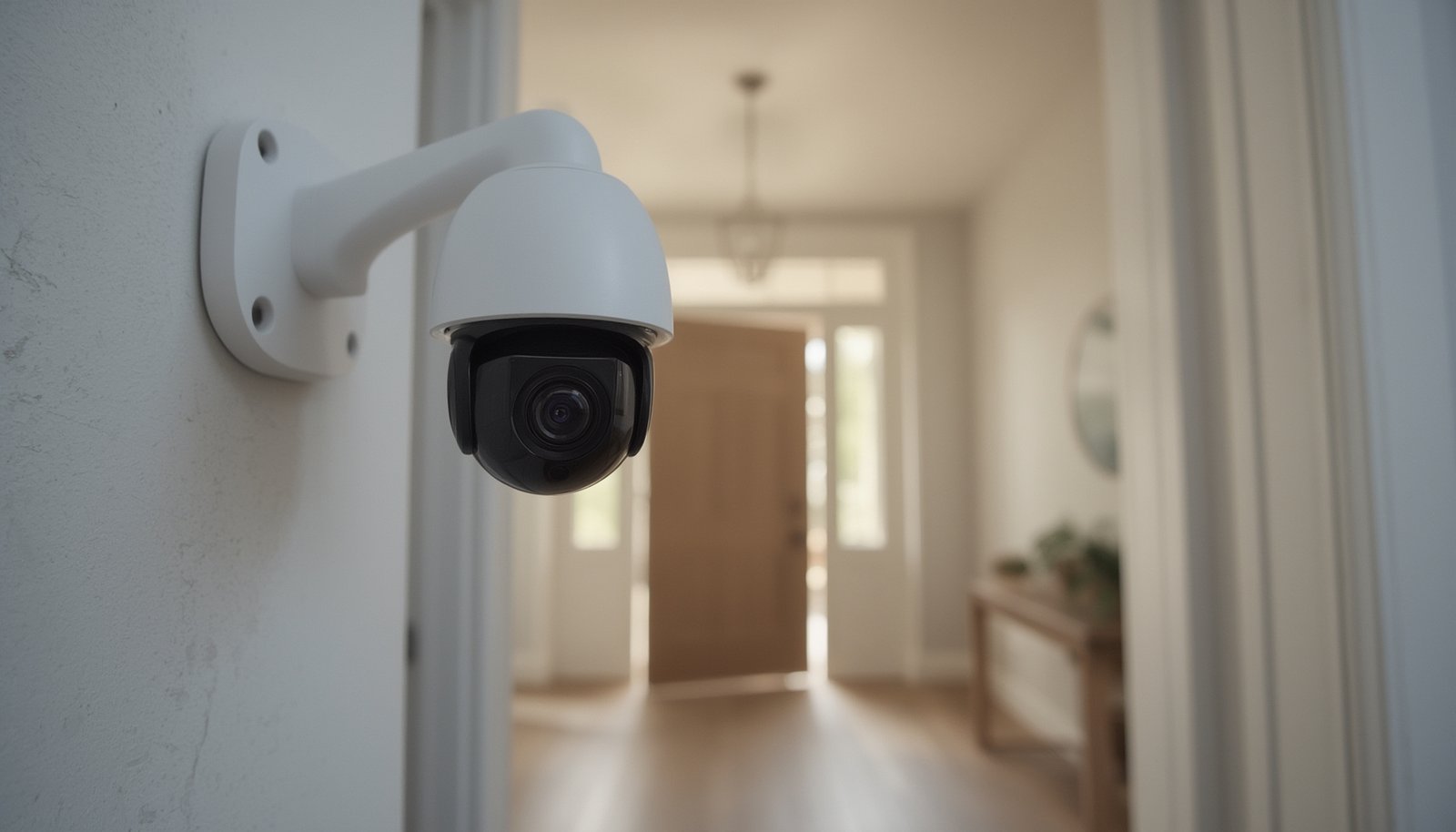
Solar security cameras are revolutionizing home and business protection by offering wire-free installation, remote monitoring, and sustainable energy—all without the hassle of frequent battery changes or running power cords. As these systems surge in popularity, it’s important to know both their real-world advantages and what challenges to expect before investing.
Key Takeaways
- Solar security cameras are booming, especially in outdoor and remote applications, but actual performance depends on sunlight exposure and weather conditions.
- Critical user pain points include inconsistent performance in low-sunlight, complex installation, and unsure compatibility with smart home ecosystems.
- Long-term cost savings and eco-friendly benefits set them apart from traditional wired or battery-only cameras, but careful placement and set-up are essential.
- The Core Concept: Solar Security Cameras
- Step-by-Step Guide: Setting Up Solar Security Cameras
- Advanced Analysis & Common Pitfalls: Solar Security Cameras
- Conclusion
- FAQ: Solar Security Cameras
The Core Concept: Solar Security Cameras
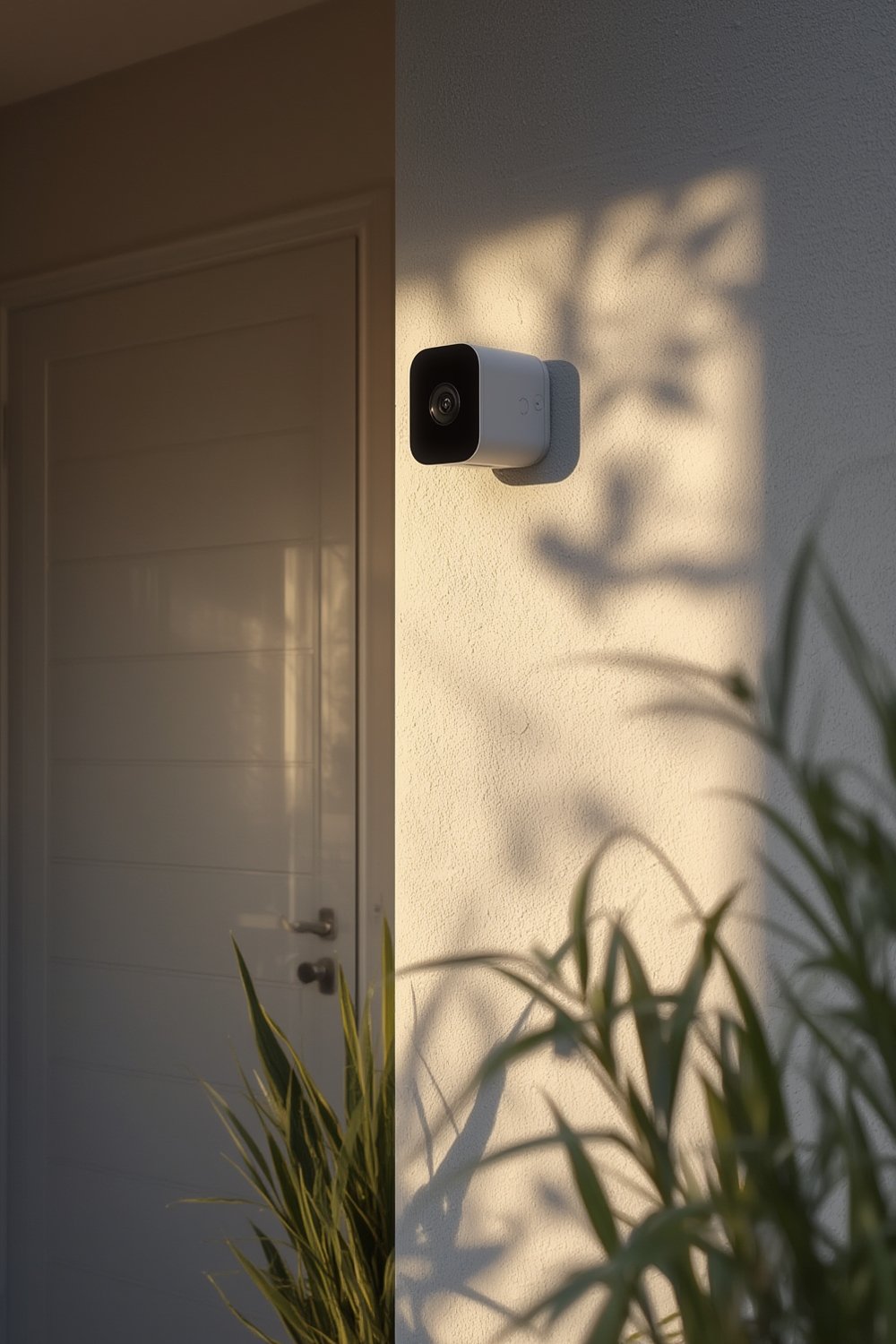
solar security cameras are outdoor surveillance devices powered by dedicated solar panels instead of wired or disposable batteries. They’re designed for off-grid convenience and are increasingly favored for securing remote areas, construction sites, homes, and commercial properties where electrical wiring is inconvenient or impossible.
According to a recent market report, the global solar-powered security camera market hit USD 1.62 billion in 2024 and is expected to grow rapidly, driven mainly by the need for eco-friendly and easy-to-deploy surveillance. The solar-powered segment accounted for more than 66% of the LTE security camera market in 2023, outpacing traditional battery-only options (source).
What draws users to solar security cameras?
- Wire-free operation – no need to run cables or worry about power outages
- Lower operating costs – reduce electricity use compared to always-on wired models
- Environmentally friendly – harness renewable solar energy
- Flexibility – install virtually anywhere with sunlight, including fields, perimeters, and remote assets
However, the real-world effectiveness of solar security cameras hinges on proper site selection and understanding device limitations. Smart planning is essential.
Step-by-Step Guide: Setting Up Solar Security Cameras
To get the most out of your solar-powered security camera setup, follow these actionable steps for reliable, long-term performance:
-
- Assess Sunlight Exposure – Use a site with at least 4-6 hours of direct sunlight per day year-round. Shade from trees, eaves, or nearby structures can drastically cut charging efficiency.
- Choose a Strategic Camera Location – Prioritize vulnerable entry points or wide outdoor coverage. Place the camera high enough to avoid tampering but within Wi-Fi (or 4G LTE) range.
- Secure the Solar Panel Mount – Attach the panel firmly to avoid movement from wind and weather. Use provided mounting hardware where possible, or opt for robust anchors in brick or concrete if needed.
- Connect and Test Power – Plug the panel into the camera before final mounting. Ensure the charging light or app reports active charging in direct sun.
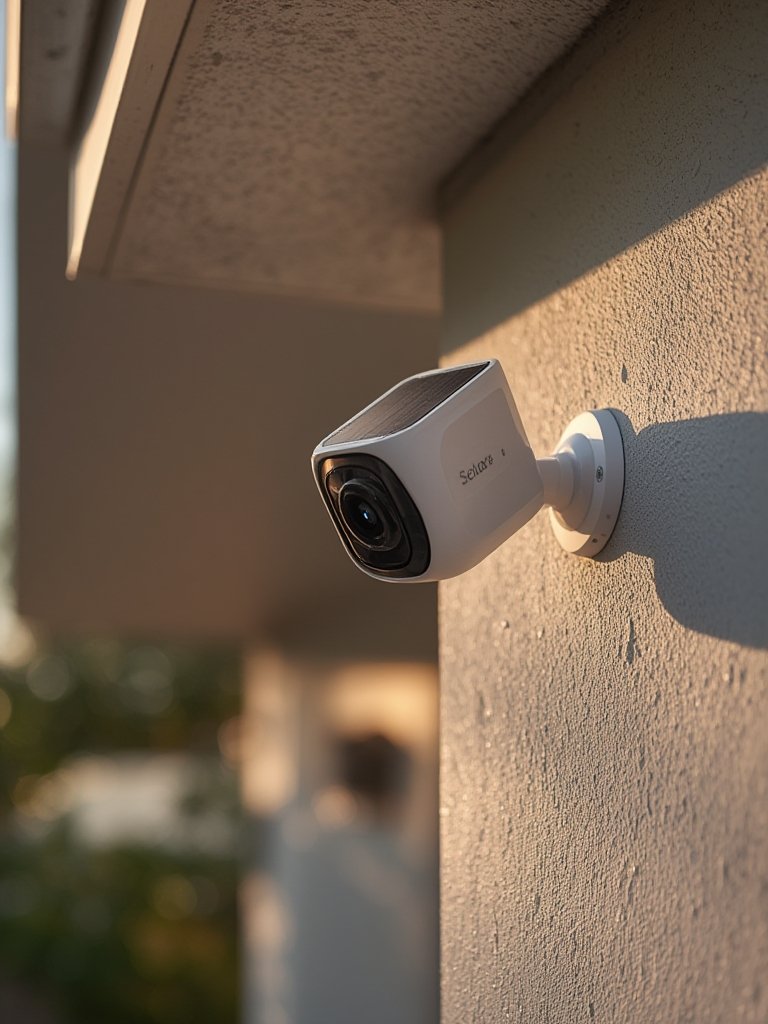
- Complete Setup in the Camera App – Follow the manufacturer’s instructions to pair with your network, adjust motion zones, and enable push notifications.
- Install Storage or Cloud Service – Some solar cameras offer SD card slots; others require recurring cloud subscriptions. Choose based on your data privacy and storage preferences.
- Set Up Routine Maintenance – Wipe down solar panels every few months to remove dust, pollen, or snow. Regularly check firmware updates and battery health via the app.
If you’re integrating your solar camera with existing smart home security systems, test automation triggers (lights, alarms) and app integrations before finalizing placement. Not all models offer seamless compatibility, so verify this during purchase or setup to avoid headaches. For expanded monitoring, consider combining with indoor security cameras for full-property coverage.
Advanced Analysis & Common Pitfalls: Solar Security Cameras
No product is perfect—and solar security cameras come with unique challenges that top “best of” lists often ignore. Here’s a realistic look at gaps, limitations, and what to watch out for when choosing and installing your solar security solution:
Common Pitfalls and User Complaints
- Unreliable charging in winter or shade: Low-light, cloudy days, and snow drastically reduce charging, increasing downtime risk.
- Complex installation: Proper mounting angles and sunlight alignment require more effort than plug-and-play wired cameras.
- Weather and durability concerns: Extreme heat, frost, heavy rain, or hail can degrade panels, seals, or electronics over time.
- Inconsistent connectivity: Remote placement often means marginal Wi-Fi or LTE signal, leading to dropped recordings or slow alerts.
- Compatibility with smart homes: Many solar cameras lag behind leading brands when it comes to easy integration with platforms like Alexa or Google Home.
Feature Comparison Table
| Feature | Solar Security Cameras | Battery-Only Cameras | Wired Cameras |
|---|---|---|---|
| Power Source | Solar + Rechargeable battery | Replaceable/rechargeable battery | Mains electricity |
| Best for | Off-grid, flexible installs | Temporary/mobile use | Permanent locations |
| Running Costs | Very low | Variable (frequent charging/replacement) | Low (utility-powered) |
| Installation Complexity | Moderate-high (sun alignment) | Low | High (wiring, drilling) |
| Performance Consistency | Weather-dependent | Battery-level dependent | Consistent |
| Smart Home Compatibility | Varies by brand | Common | Common |
| Durability | Varies (outdoor rated needed) | Varies | Generally robust |
| Ideal Use Cases | Remote sites, sheds, farms | Rental units, quick install | Homes, businesses with power |
For users in harsh climates or areas with unreliable sunlight, these factors can directly impact reliability and safety. Always verify IP weather rating, panel quality, and storage redundancy—especially if surveillance gaps are unacceptable.
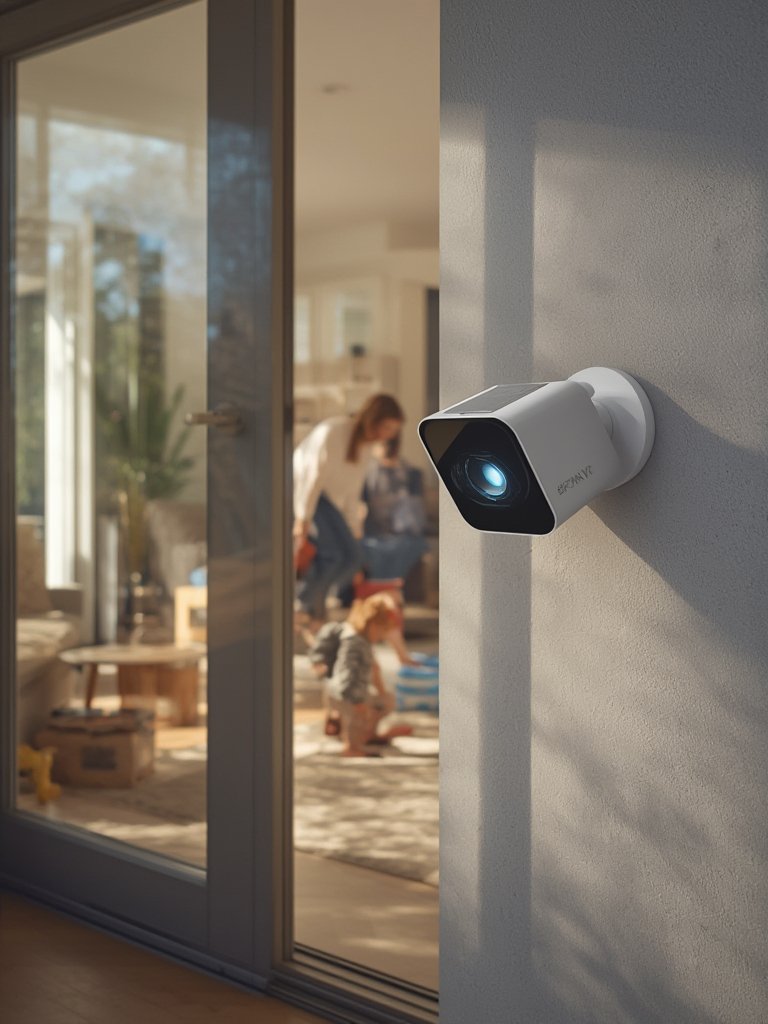
To further improve detection accuracy and reduce false alarms, integrate solar security cameras with AI-powered home security cameras. These can filter routine movement (like pets or tree branches) and keep alerts meaningful, but make sure your camera supports intelligent analytics before purchasing.
Conclusion
Solar security cameras deliver a unique blend of sustainability, wireless convenience, and ever-expanding smart features. Market adoption is rising rapidly as off-grid flexibility and lower energy costs become must-haves in modern security. But as this guide shows, success depends on honest expectations—careful placement, sun exposure, and understanding system limitations all matter. If you want full-property coverage, consider blending solar and conventional options for the best results. Ready to go green? Choose your solar security cameras wisely, and safeguard your space—rain or shine.
Compare more energy-saving smart devices for your home with our guide to predictive home automation.
FAQ: Solar Security Cameras
Are solar security cameras fully battery-free?
No. Most solar security cameras use a built-in rechargeable battery to store power collected during sunny periods, providing backup for overnight or cloudy days.
Can solar security cameras work in the shade or indoors?
Performance drops sharply with limited sunlight. If placed in shade or used indoors, the camera may run out of power or need frequent battery swaps, defeating the purpose of “maintenance-free” security.
Do solar security cameras integrate with Alexa or Google Home?
Some do, but not all. Always check compatibility on the box or product listing. If smart home control is a priority, look for explicit platform integration during selection.
How much can I save with solar security cameras?
Most savings are long-term, with lower electricity bills and no need for wired installation. Exact figures vary by usage pattern and electricity rates.
How do solar cameras compare to traditional wired systems?
Solar cameras offer flexible placement and no power cables but can be less consistent in poor weather. Wired cameras are more reliable but cost more up front and lack installation flexibility.