

Air purifier voc sensor technology is now a must-have feature in smart home air quality devices, but what real advantages do these sensors offer, and how do they compare to traditional air purifiers?
Key Takeaways
- Modern air purifier VOC sensors detect a wide range of harmful and benign indoor vapors, but their removal effectiveness depends on filter tech and automatic response speed, not just sensor presence.
- User complaints often stem from ambiguous alerts, sensor drift, and poor transparency—choose purifiers specifying calibration standards and VOC mix sensitivity for the best experience.
- IoT integration, smart sensor fusion, and adaptive filtration are major 2024 advances—helping cut energy costs and improve both comfort and actual air quality.
- How Air Purifier VOC Sensors Work (and Why They Matter in 2024)
- How to Choose and Use an Air Purifier VOC Sensor: Step-by-Step
- Pitfalls, Limitations, and Real-World Performance of VOC Sensing Air Purifiers
- Conclusion: Should You Rely on Air Purifier VOC Sensors?
- Frequently Asked Questions
How Air Purifier VOC Sensors Work (and Why They Matter in 2024)
Air purifier voc sensors are designed to detect airborne “volatile organic compounds”—a catch-all group including cleaning fumes, cooking vapors, paint emissions, and human odors. Unlike traditional purifiers that simply run at set speeds, models with VOC sensors use real-time measurements to trigger or boost filtration exactly when indoor air quality declines.
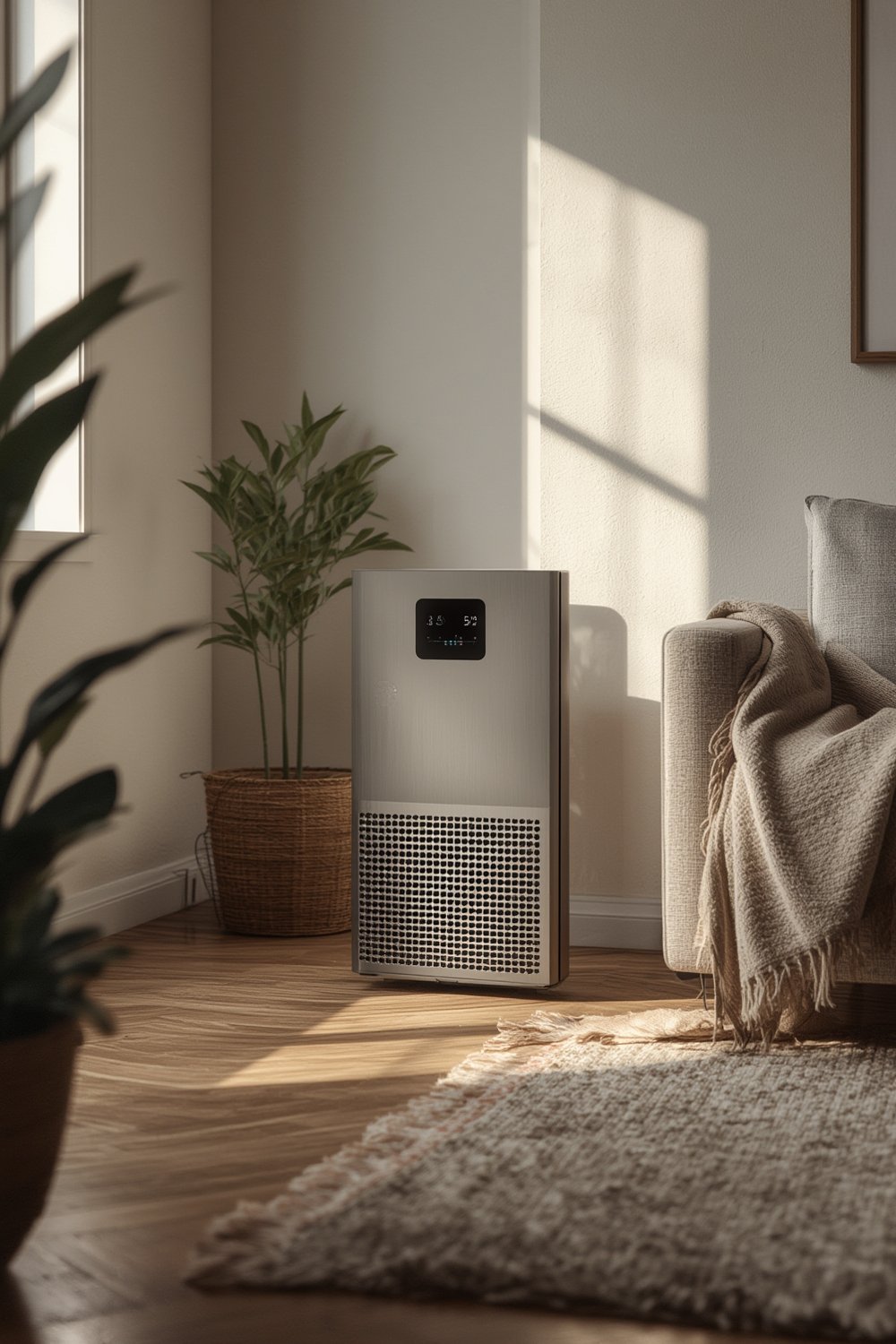
The primary difference is not that sensor-equipped air purifiers can magically remove more VOCs, but that they can identify pollutant spikes and activate stronger filtration automatically. Major sensor types include metal-oxide (MOX), photoionization detectors (PID), and NDIR sensors; however, nearly all consumer models under $500 rely on solid-state broad-spectrum VOC sensors. These are typically calibrated to ISO 16000-29 TVOC mixture standards, enabling detection of most household VOC families up to about 65,000 ppb, but not every specific gas.
Importantly, recent advances have focused on *smarter* automation, hybrid filter+plasma modules, and integration with smart home platforms. For most households, the biggest benefit is hands-off pollutant control: the purifier ramps up not just for dust, but also when cleaning, cooking, or off-gassing raises VOC levels.
If your goal is true hands-off comfort, pairing a VOC-sensing purifier with predictive home automation can help your living space adapt in real-time—no more guessing when to turn on the high setting.
How to Choose and Use an Air Purifier VOC Sensor: Step-by-Step
Ready to get cleaner indoor air (and less noise, waste, or over-filtration)? Follow these actionable steps when selecting and using an air purifier VOC sensor:
- Match the purifier tech to your main VOC sources. Do most spikes come from cooking, cleaning, or paint? Prioritize models with activated carbon or plasma modules for rapid, effective VOC removal after sensor detection. Seek “broad-spectrum” VOC sensors for typical household mixes.
- Check response time and TVOC display format. Modern sensors can respond in seconds—older or cheaper ones may drift or be slow. For actionable alerts, pick purifiers with simple traffic-light LEDs or app notifications based on TVOC, not just generic “good” or “bad”.
- Weigh automatic mode vs. continuous operation. Sensor-controlled auto modes optimize fan usage, saving energy over always-on setups. Look for devices with smart automation or IoT integration for even better air management.
- Plan for ongoing costs. Sensors themselves are “solid-state” and rarely user-replaceable; instead, budget for filter replacements (HEPA, carbon, or plasma catalytic). Top-tier sensors and hybrid filter tech may carry higher upfront cost but save in the long run through energy-efficient operation. See market reports for actual price trends.
- Document your air quality for trends, not just alerts. Log data if possible: higher-end VOC sensors can track trends and long-term VOC burdens, which helps if you’re troubleshooting chronic odors or off-gassing from renovations. This is especially useful for energy monitoring and smart climate systems.
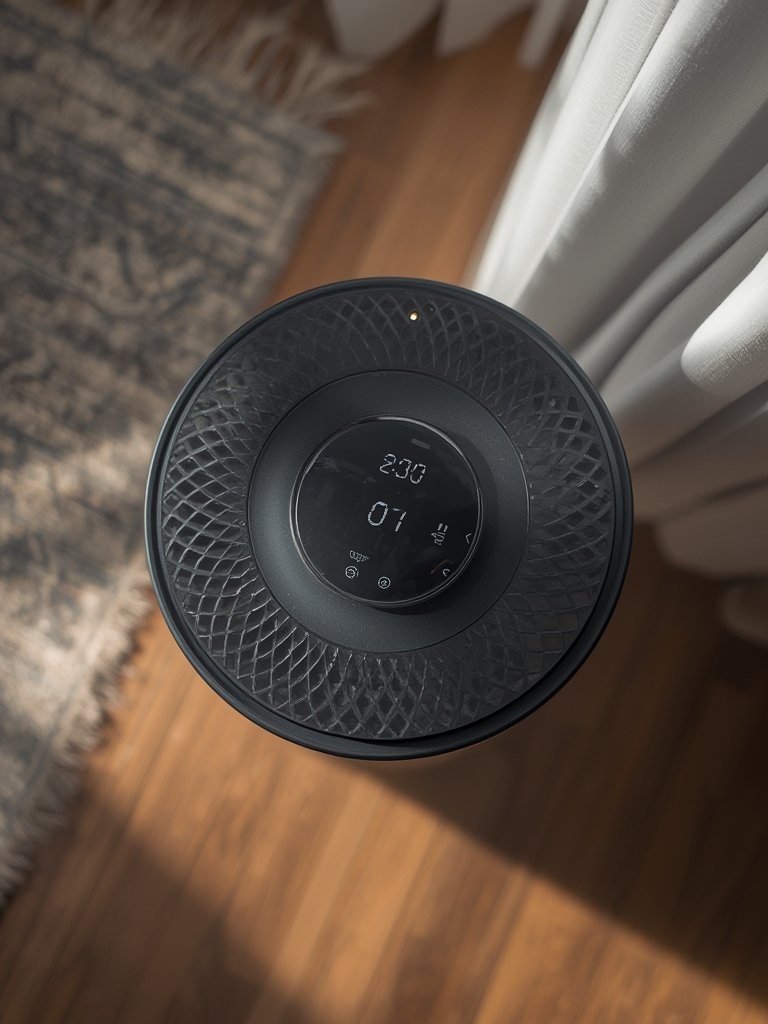
For best results, pair VOC-sensing air purifiers with advanced filtration (carbon, HEPA, or plasma tech) and make sure to clean sensor inlets regularly. Integrating with smart home devices enables even more efficient and timely purification cycles.
Pitfalls, Limitations, and Real-World Performance of VOC Sensing Air Purifiers
Air purifier VOC sensors are not flawless. While they improve comfort and minimize VOC exposure, real-world performance varies—especially among low-cost consumer models. Here are the main pitfalls, limitations, and a side-by-side comparison of common sensor approaches:
| Sensor/Tech Tier | Strengths | Limitations |
|---|---|---|
| Entry-Level MOX VOC Sensors |
|
|
| Mid-Range Smart Monitors |
|
|
| Professional PID/NDIR Monitors |
|
|
User frustration typically arises because specs are unclear or sensors are overly sensitive to harmless odors (such as hand sanitizer, perfumes, or even humidity changes), resulting in repeated “bad air” alerts. Many product pages don’t explain if readings follow ISO 16000-29 calibration or what “total VOC” really means for health or comfort.
Sensor drift and aging are well documented. After a few years, the sensor may perpetually read “clean air” or “bad air” regardless of actual VOCs. Self-calibration algorithms help but are not foolproof—especially if your environment is rarely ventilated or always exposed to cleaning fumes.
Finally, note that while VOC sensor feedback can improve comfort, direct health outcome data is rare at the consumer level. Still, reduced TVOC generally aligns with fewer odor complaints and improved well-being. Just don’t expect exact links between your sensor’s ppm number and health events.
If you want your purifier’s VOC sensor to stay accurate, place it away from sources of steam and out of direct sunlight. For even more proactive maintenance and energy savings, consider combining VOC sensing with smart lighting automation or whole-home energy monitoring so your whole IAQ system works together.
Conclusion: Should You Rely on Air Purifier VOC Sensors?
Air purifier VOC sensors add important value through real-time detection and automation, especially for dynamic household environments prone to cooking, cleaning, or new furnishings. When paired with advanced filters, smart mode controls, and clear TVOC displays, these sensors help maintain excellent indoor air quality with less guesswork and wasted energy. However, be aware of sensor limitations, ambiguous alerts, and eventual drift. Prioritize models with transparent calibration specs, and combine them with other smart home strategies for best results.
Ultimately, an air purifier voc sensor is an effective tool for comfort and risk reduction—not a silver bullet for health problems. Choose wisely and stay proactive—take control of your air for a safer, fresher home. Ready to upgrade? Compare sensor-equipped purifiers today!
Frequently Asked Questions
Do air purifier VOC sensors detect every harmful gas?
No, most VOC sensors in consumer air purifiers are designed to detect groups of common indoor vapors (alcohols, aldehydes, aromatics) but do not identify each specific compound or all possible toxins. Professional monitors are needed for compound-specific results.
How often should I replace my air purifier’s VOC sensor?
Most VOC sensors are solid-state and not user-replaceable. Expect a useful lifespan of 3-5 years before drift reduces accuracy, after which the entire device or module may need replacement.
Why does my purifier’s VOC sensor show high readings after using a scented product?
Scented oils, perfumes, and cleaners emit large amounts of VOCs—even if harmless. Broad-spectrum sensors respond to the total amount, causing high readings or alerts even if the source is not a health risk.
Is it worth paying extra for a VOC-sensing purifier?
If you want hands-off operation and targeted removal of everyday indoor pollutants, a VOC sensor justifies its small premium—especially combined with energy-saving auto modes. For lowest ongoing maintenance, choose models offering filter replacement reminders and quality sensor calibration details.
Will a VOC sensor help with odors?
Yes, TVOC sensors often respond rapidly to strong odors and trigger filtration. However, persistent or non-VOC odors (like pet smells or mold) may require additional approaches for removal.