

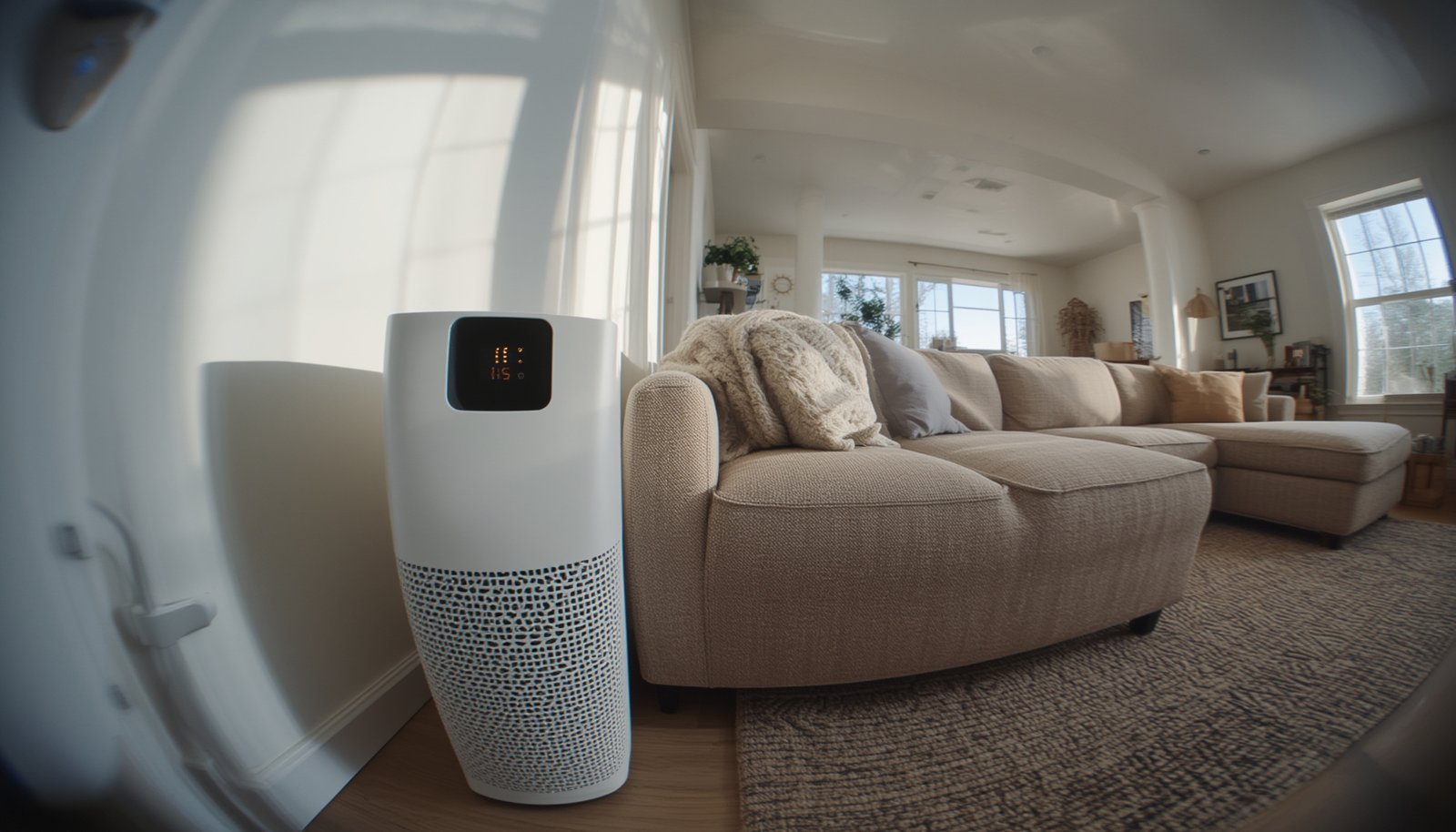
air purifier quiet mode is a top priority for anyone seeking cleaner air and true peace, especially in bedrooms or nurseries—yet many models don’t deliver on their promises. With the flood of marketing claims in 2024, understanding what really counts as “quiet,” and which air purifiers back it up with real performance, is crucial for smart buyers.
Key Takeaways
- Quiet mode means noise between 20 to 40 dB—comparable to a whisper—but real cleaning often requires higher speeds and more noise.
- Most “quiet” modes are too weak for fast room cleaning; large units can balance quiet operation with real air purification.
- light pollution, hidden filter costs, and misleading marketing are major pitfalls—choose based on lab-tested performance, not just specs.
- What Is Air Purifier Quiet Mode and Why Does It Matter?
- Step-by-Step Guide: Getting Real Quiet Performance
- Advanced Analysis & Common Pitfalls
- Conclusion
- FAQ
What Is Air Purifier Quiet Mode and Why Does It Matter?
Air purifier quiet mode is a special low-noise setting advertised for restful sleep or undisturbed focus. In practice, “quiet” refers to operation levels under 40 decibels. For reference, 20 dB is as soft as a ticking clock or rustling leaves, while 40 dB matches a quiet library.
Most leading 2024 air purifiers—like Alen BreatheSmart (23–29 dB on low), Rabbit Air A3 (as low as 20.3 dB), and Daikin (21 dB)—tout their low-noise credentials. However, cleaning effectiveness often drops at these low settings, especially in larger rooms. According to Alen’s data, high speeds clean air quickly but hit up to 51 dB—noticeably above “quiet mode.”
Why does this matter? Many buyers install these units in bedrooms, hoping for restful sleep, but find cleaning is too weak or lights are disruptive. Knowing the true details behind quiet mode helps you avoid wasted money and sleep interruptions.
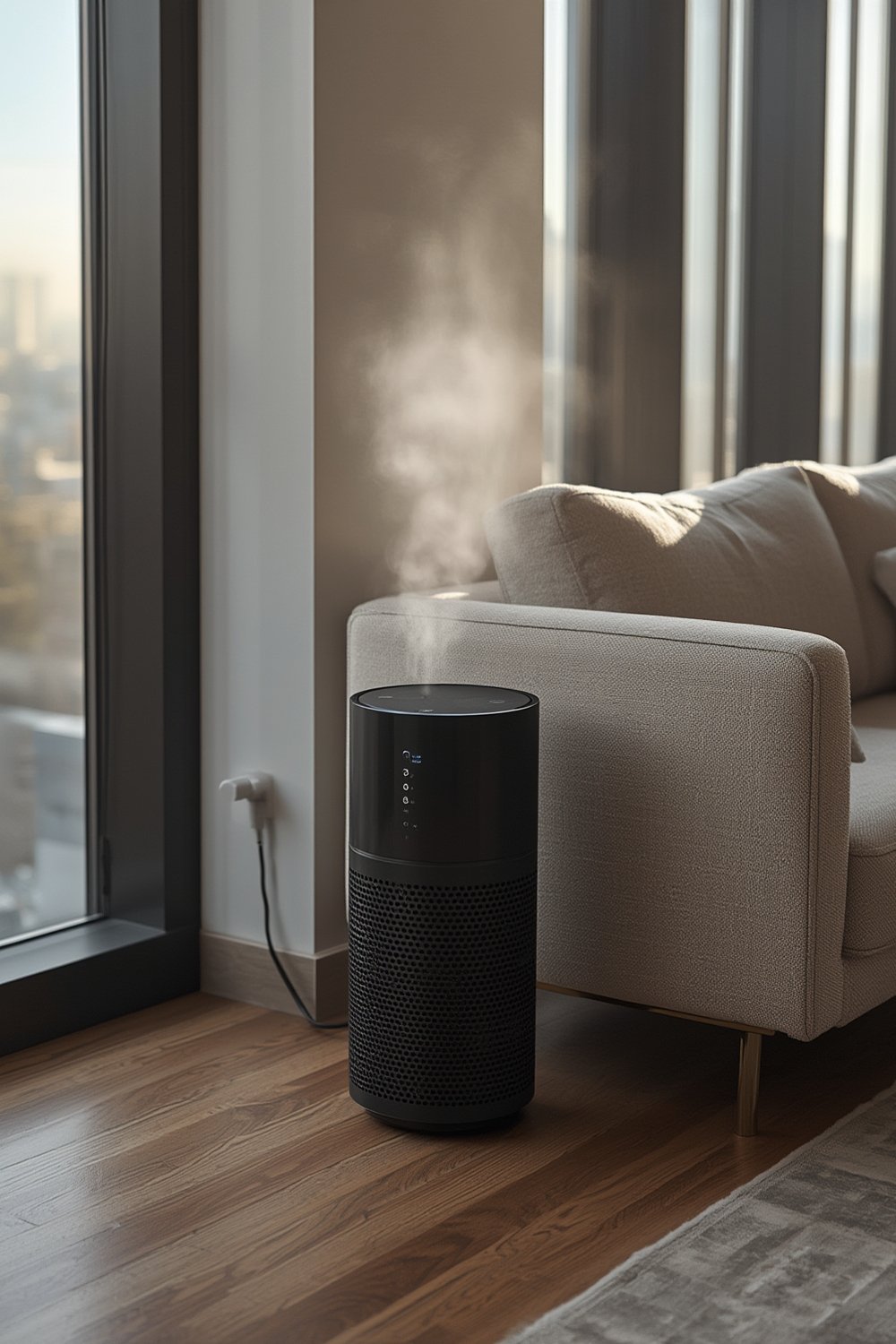
It’s crucial to look for independently tested air purifiers rather than marketing claims. For instance, comparative independent tests reveal that large models running just under 40 dB (like the Smart Air Luggable XL) can fully clean a bedroom much faster than small, “silent” units.
Step-by-Step Guide: Getting Real Quiet Performance
- Measure your room size: Quiet performance only matters if the purifier can change all the air often enough. Match your square footage with the right purifier specifications.
- Prioritize decibel transparency: Demand clear dB ratings—not vague “quiet” claims—and check both minimum and “effective” (medium/high) levels. For example, Rabbit Air A3 quotes 20.3–51 dB (see Rabbit Air specs).
- Check for effective cleaning at low-noise: Find models that deliver good CADR (clean air delivery rate) at low speeds, verified by third-party or lab tests, not just internal data.
- Seek out smart features: Look for auto-dimming displays, light sensors, or app control to reduce disruptions at night. See examples in Rabbit Air A3’s light-dimming algorithms.
- Calculate long-term costs: Consider ongoing filter expenses (HEPA, carbon), and note that running at higher (quieter) speeds may change filter replacement intervals.
- Read user reviews with skepticism: Focus on verified reviews that detail room size, cleaning effectiveness, and honest noise comparisons.
- Consider large, lab-tested devices for bedrooms: Smaller units may be whisper-quiet, but can take many hours to clean the same space. Larger purifiers can maintain airflow without exceeding 45 dB.
- Limit light pollution: Choose models with true display power-off or auto-dimming, an often-overlooked source of sleep disruption.
- Set realistic expectations: Pure silence equals slow cleaning. Find your “sweet spot” by balancing fan speed, noise, and room size.
Standalone quiet mode features are not enough. Consider integrating purifiers with home energy automation for off-peak usage or adjusting cleaning routines based on occupancy. For comprehensive air quality, combining air purifiers with other smart home devices—like VOC sensor-equipped models—can provide health benefits beyond basic allergen control.
Advanced Analysis & Common Pitfalls in Air Purifier Quiet Mode
Top Real-World Issues
- Ineffective cleaning at ultra-low noise: Many compact models are “quiet” on low, but can take three hours or more to clean a medium bedroom—compared to 15–30 minutes on medium or high. Large units strike a better balance of noise and speed (Smart Air test).
- Disruptive lights and displays: Even when noise is low, bright LEDs or un-dimmable screens wake up sensitive sleepers. Not all “sleep modes” power off displays entirely.
- Hidden costs: Frequent filter replacements (every 6–12 months on HEPA) and higher energy bills (5–60W, depending on model) add up. Filter subscription plans can mitigate this but aren’t always clear in marketing.
- EMF and other overlooked factors: Most competitor articles don’t discuss EMF or prolonged use on filter lifespan at low speeds, but there is no current evidence suggesting a significant impact.
True Quiet Mode Comparison Table (2024 Models)
| Model | Min dB (Quiet) | Max dB | CADR (CFM) | Room Size Supported | Display Dimming | Filter Type | Evidence |
|---|---|---|---|---|---|---|---|
| Alen BreatheSmart 75i | 25 | 51 | 350 | Up to 2,800 sq ft | Auto Light Mode | H13 HEPA | Alen |
| Rabbit Air A3 | 20.3 | 51 | 257–315 | 1,070 sq ft | Light Sensor Dimming | HEPA, Carbon | Rabbit Air |
| Daikin MCK55TVM6 | 21 | 51 | Not listed | 419 sq ft | Yes | HEPA, Carbon | Daikin |
| Intellipure Compact | 18 | 47 | 110+ | 500 sq ft | No | HEPA/Carbon/Proprietary | Intellipure |
| Smart Air Luggable XL | 38.8 | 44 | 323 | 1,500+ sq ft | No | H13 HEPA | Independent Test |
The table shows a core tradeoff: Only the largest air purifiers can clean big bedrooms or living rooms quickly, without breaking the 40-45 dB ceiling. Small, “silent” compact units take much longer to reach similar air quality results.
For more on maximizing quiet air flow, pairing large devices with predictive home automation can automate cleaning cycles for optimal sleep and air quality.
Conclusion
Ultimately, air purifier quiet mode isn’t just about hitting a particular decibel level. The real value comes from matching room needs with a tested purifier that delivers both low-noise and true cleaning power. Look beyond marketing promises, review real tests where possible, and expect some tradeoffs. By following this guide, you can finally enjoy healthy air—and real quiet—where you sleep and live. Ready to transform your bedroom? Make sure your next air purifier quiet mode actually works for you.
FAQ
What noise level is considered “quiet mode” on an air purifier?
A true quiet mode operates between 20 and 40 decibels—roughly the level of rustling leaves or a whisper. Below 30 dB is extremely quiet, but may reduce cleaning speed.
Is quiet mode effective for allergen removal at night?
Quiet or sleep modes often slow down the fan, making them less effective for quick allergen removal. For best results, run higher speeds before bed, then switch to quiet mode for maintenance while you sleep.
Why do some air purifiers glow or light up at night?
Many air purifiers have indicator lights, sensors, or displays that stay on unless specifically designed to dim or turn off in dark conditions. Look for models with auto-dimming or manual display controls to prevent sleep disruption.
Are there hidden costs with quiet mode air purifiers?
Yes, recurring filter replacements and energy use are common hidden costs. Check the recommended filter change interval (often every 6-12 months) and consider energy-efficient smart plug integration for more savings.
Does air purifier quiet mode impact filter life?
Currently, there is no clear data on filter life differences when running exclusively in quiet mode. Most HEPA filters last 6–12 months, but always follow manufacturer guidelines for optimal air quality.