

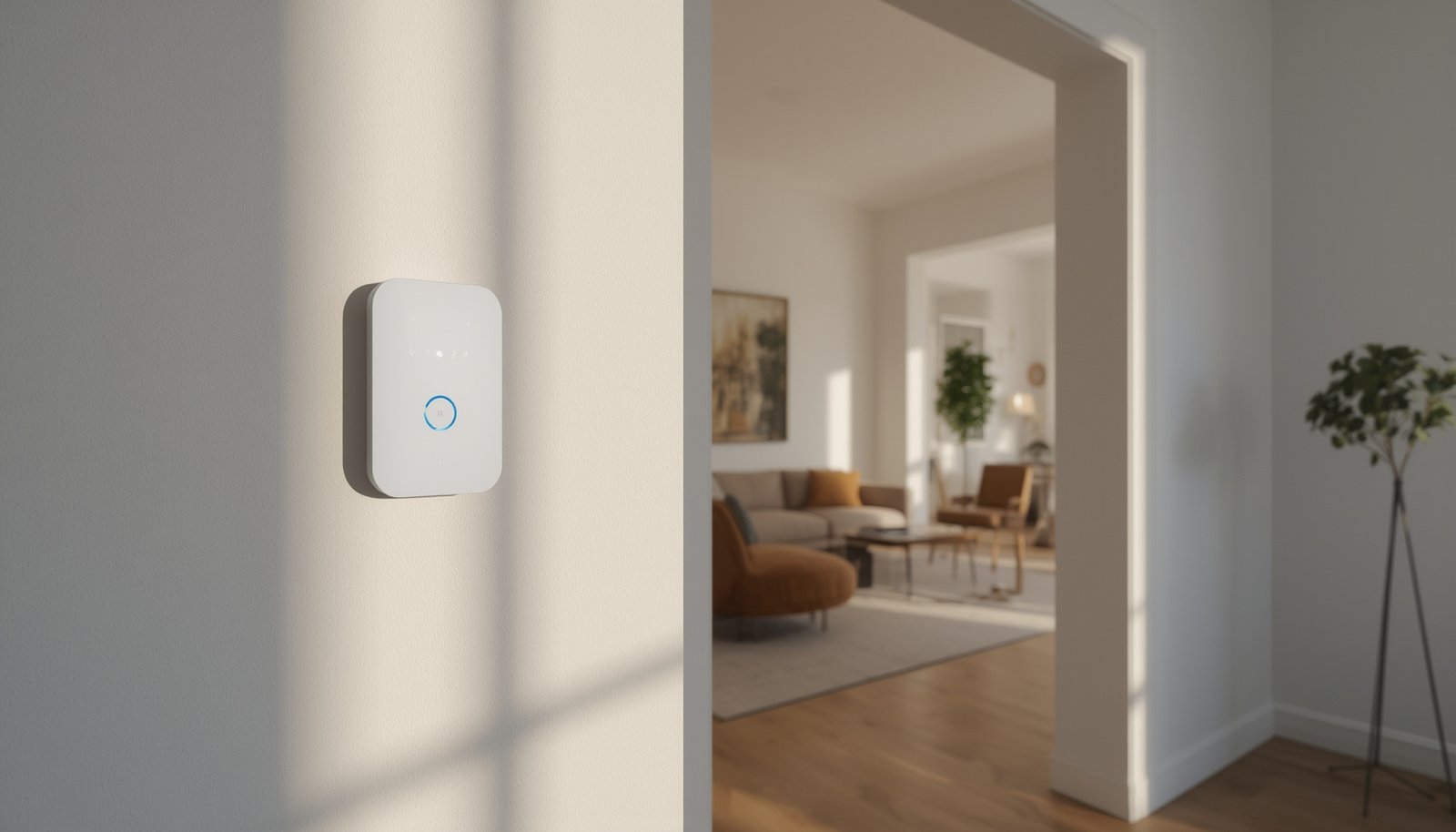
Presence detection smart home solutions are rapidly transforming how your home automates lighting, security, and comfort by pinpointing exactly who is in a room—and when. With sensors now capable of detecting even minute human movements, getting reliable and privacy-friendly presence detection is finally practical, but not without some surprises and potential headaches.
Key Takeaways
- mmWave presence sensors surpass PIR in detecting fine and stationary human motion but often require tuning and sensor fusion for stable performance.
- Common pitfalls include excessive false positives, integration tweaks, and higher upfront costs, especially compared to basic PIR sensors.
- Balancing privacy, accuracy, and platform compatibility is essential when deploying presence detection in any smart home.
- What Is Presence Detection in Smart Homes?
- How to Deploy Presence Detection Smart Home Solutions: Step-by-Step
- Advanced Analysis & Common Pitfalls in Presence Detection Smart Home Systems
- Conclusion
- FAQ
What Is Presence Detection in Smart Homes?
Presence detection smart home technology uses a combination of sensors—most notably mmWave (millimeter wave radar) and traditional PIR (passive infrared)—to discern if a person is present and active, even when stationary. The aim is seamless control of automation routines like smart lighting, HVAC, or security, making your home “feel” your presence without manual input.
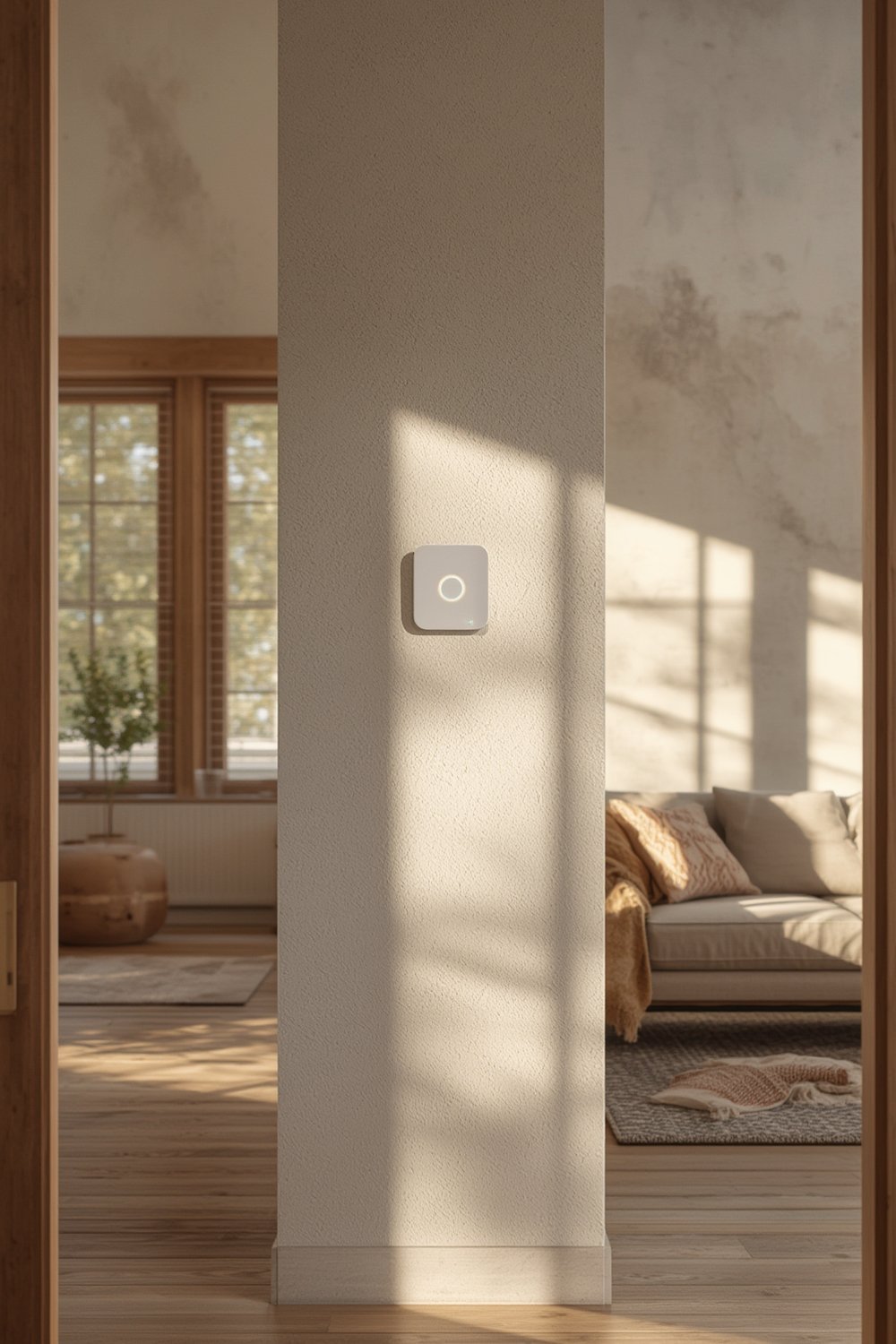
PIR sensors react to major changes in heat signatures (such as someone walking by), but fail when you are typing at a desk or sitting still watching TV. By contrast, mmWave presence sensors analyze the Doppler effect and signal reflections at up to 300 GHz, picking up minute motions (heartbeats or breathing). They can divide rooms into dozens of zones, enabling context-aware automation and increased energy efficiency, as detailed in Texas Instruments’ technical brief.
This intelligence is central to next-generation smart homes that rely more on responsive, energy-saving automation. The same core technologies underpin many innovations in predictive home automation, where devices adapt seamlessly to occupants’ needs and routines.
How to Deploy Presence Detection Smart Home Solutions: Step-by-Step
Adding presence detection to your smart home can seem daunting, but following a clear plan streamlines the process and cuts down on trial-and-error. Here’s how to deploy a reliable, accurate system:
- Evaluate Your Goals and Environment:
Decide whether you want to automate lighting, HVAC, security, or all at once. Identify key rooms, potential sources of false motion (such as ceiling fans or pets), and power availability (mmWave sensors are almost always mains-powered). - Select Proper Sensor Types:
For fine, stationary, and multi-zone human presence, mmWave is best. For basic, low-cost motion detection, PIR will suffice. Sensor fusion (PIR + mmWave) is often the most stable solution, as reported in both Occuspace and Mordor Intelligence. - Install Devices Correctly:
Mount mmWave sensors at shoulder or head height for best detection fields. Avoid direct lines to metallic surfaces or fans, as these introduce radio noise and false positives. Most sensors need to be within range of your Wi-Fi network and near power outlets. - Integrate With Your Smart Home Platform:
Use platforms such as Hubitat (best results with PIR + mmWave) or SmartThings (multi-zone, sleep detection, limited direction sensing). Many users set up custom rules for lighting or security triggers within their hub’s automation suite.
Systems such as SmartThings and Hubitat offer good mmWave integration, while Home Assistant support is emerging but less mature. - Test, Calibrate, and Zone:
Adjust sensor sensitivity and motion zoning to filter out clutter, pets, and background movement. Run tests at different times of day and observe which triggers need refinement.
Some leading platforms enable dividing a room into 20–30 distinct presence zones, so you can automate lighting or security per person or location. - Measure Impact and Optimize:
Monitor automation routines over several days. Identify missed detections, excessive false alarms, or zones that need remapping. Fine-tune sensor fusion and automation policies for maximum impact—and minimum annoyance.
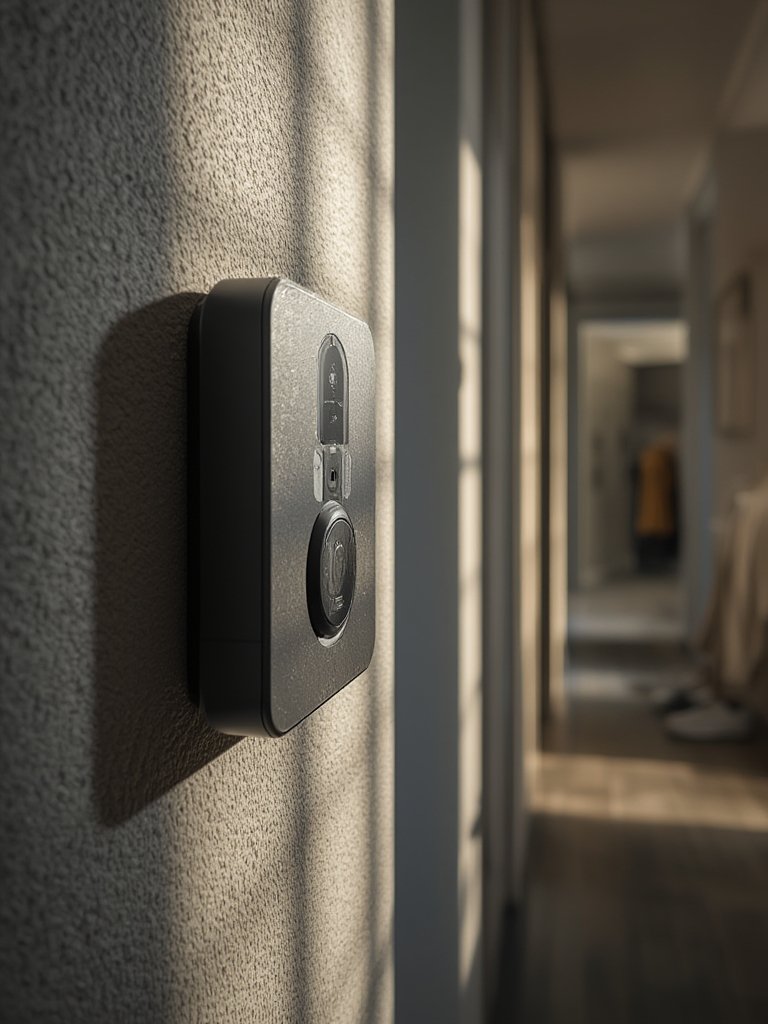
Presence detection isn’t just about automation—it’s pivotal for energy management. For example, integrating your presence sensors with a smart lighting automation system can eliminate wasted electricity in unused rooms, while seamless occupancy tracking also supports advanced comfort features such as smart thermostats with room sensors.
Advanced Analysis & Common Pitfalls in Presence Detection Smart Home Systems
While mmWave and hybrid presence sensor systems are powerful, users and professionals consistently report a number of common issues. Here is what to watch out for:
- Excessive Sensitivity: mmWave sensors often detect movement from non-human sources—fans, robotic vacuums, or even shifting curtains. Many user reviews cite them as “too chatty,” causing lights to flick on from minor, irrelevant activity.
- False Negatives with PIR: PIR sensors can miss stationary people, especially in home offices or bedrooms, causing premature lights-out or security setbacks.
- Platform Integration Gaps: Not all platforms offer the same zoning or automation finesse. SmartThings handles multi-person and zone detection fairly well, but lacks directional entry/exit detection, while Home Assistant support is more limited as of now.
- Privacy Tradeoffs: PIR sensors only read heat, not identity, making them privacy-centric. mmWave captures more granular zone data, but unlike cameras, does not record visuals or personal data.
- Installation and Running Costs: mmWave presence detection smart home setups cost more to buy and install than PIR. All mmWave sensors are mains-powered, adding slight ongoing electrical costs. PIR devices are cheaper, simpler, and battery powered.
- Pet Immunity Is Not Foolproof: Machine learning filters can distinguish pets in most cases, but busy households with multiple animals or irregular movement may require careful calibration and exclusion zones.
| Sensor Type | Motion Detected | Pet Immunity | Power/Cost | Privacy | Platform Integration |
|---|---|---|---|---|---|
| PIR | Major only | Good, basic | Battery, low | Excellent | Broad support |
| mmWave | Fine/Stationary | Good, but needs tuning | Mains, higher | Strong (no visuals) | Hubitat, SmartThings |
| Sensor Fusion (PIR+mmWave) | All motion | Best available | Mains+Battery, highest | Strong (no visuals) | Selective |
In busy homes, filtering non-human activity is crucial. Machine learning in newer sensors can minimize pet and object triggers, but if you want the highest accuracy and minimal headache, plan for sensor fusion and ongoing adjustment.
It’s also worth remembering that while mmWave is advanced, the technology still has limits. For in-depth energy monitoring and reduction, these systems can feed data into whole home energy monitoring platforms, transforming raw detection into actionable savings.
Conclusion
While presence detection smart home systems have evolved rapidly thanks to mmWave radar and sensor fusion, there is no one-size-fits-all approach. If you want reliable hands-off automation—and energy savings—be ready for some tweaking, investment, and data-driven optimization. Invest in platforms and devices with strong support for customization, and always tune for your specific environment. Ready to boost your smart home with better presence detection? Start planning your install or upgrade now—your comfort, privacy, and utility bills will thank you.
FAQ
Are mmWave presence sensors safe to use continuously?
Yes, mmWave presence sensors operate at radio frequencies far below those of cell phones or Wi-Fi and are safe for normal indoor use.
Will mmWave sensors detect pets or small children?
Most mmWave sensors incorporate machine learning to filter out pets, but there’s potential for false positives with very active pets or low installations. Calibration and ignore-zones help.
Can I use presence detection with Home Assistant?
Some cutting-edge models may offer experimental compatibility, but Home Assistant integration is not as mature as SmartThings or Hubitat for mmWave sensors as of 2024.
What’s the biggest downside to mmWave-based presence detection?
The main concern is over-sensitivity—these sensors may pick up slight, irrelevant motion such as a ceiling fan, which can lead to automation errors if not carefully configured.
Does presence detection smart home technology improve energy efficiency?
Yes, by automating lighting, HVAC, and device shutdowns only when a room is occupied, presence detection can significantly reduce wasted energy—especially if used with an energy monitoring system.