


AI home automation is no longer a futuristic dream but a fast-emerging reality. Smart homes powered by AI are transforming comfort, efficiency, and security, yet most homeowners don’t see the full picture—both the enormous potential and the real-world obstacles. Here’s what you need to know before making your home truly intelligent.
Key Takeaways
- AI home automation is growing rapidly, driven by voice assistants, AI-driven energy management, and smart robots, but setup and privacy remain major concerns.
- AI brings personalization, predictive routines, and cross-device intelligence most rule-based systems lack—but with more complexity and data risk.
- Investing in smart plugs, robot vacuums with 3D mapping, and cloud-based automation provides the best ROI for most homeowners starting out.
- Understanding AI Home Automation: What & Why
- Step-by-Step Guide: Setting Up AI Home Automation
- Advanced Analysis & Common Pitfalls in AI Home Automation
- Conclusion: Is AI Home Automation Right for You?
- FAQ about AI Home Automation
Understanding AI Home Automation: What & Why
AI home automation blends artificial intelligence with smart devices, appliances, and sensors to create more adaptive, proactive, and convenient living spaces. Unlike traditional automation, which works on rigid schedules or simple if-this-then-that triggers, AI-powered systems learn your habits over time, optimize energy use based on real-time data, and even detect potential problems before you notice them.

This shift is driving enormous market momentum. The global smart home automation market is projected to grow from USD 132.65 billion in 2025 to USD 168.61 billion in 2026, with a staggering 26% CAGR through 2035. North America leads in adoption, but Asia-Pacific is the fastest-growing region, fueled by urbanization and digitization. AI’s role is key—machine learning, predictive analytics, and voice assistants like Alexa and Google Home are making homes smarter, more comfortable, and energy efficient.
Beyond thermostats and lights, today’s advanced systems handle chores (think robot vacuums), manage energy dynamically, and provide real-time security insights. Adoption is growing, but understanding the balance of potential and limitation is critical for real improvement.
Step-by-Step Guide: Setting Up AI Home Automation
Launching an AI home automation setup doesn’t require tearing your house apart. Here’s how to start small and scale up as your comfort and needs grow:
- Audit Your Current Devices
List your existing devices: speakers, plugs, thermostats, cameras, appliances. Check which ones support integration with Alexa, Google Assistant, Apple HomeKit, or proprietary apps. - Prioritize High-Impact Areas
Start with devices or routines that save money or deliver obvious comfort:- Smart plugs with energy monitoring cut electricity bills.
- Robot vacuums with 3D mapping automate tedious chores.
- Smart lighting with circadian rhythms boosts well-being.
- Choose Your AI Hub or Ecosystem
Select one main voice/control platform (Google, Amazon, Apple). This will serve as your command center and interface for automations. Check device compatibility before investing. - Create or Import Routines
Use built-in AI assistants to set up:- Personalized morning/evening scenes
- Automation based on motion, weather, or energy pricing
- Security routines (auto arm/disarm, camera alerts)
More advanced users can leverage upcoming generative AI script generators (such as Google’s 2025 rollout) to automate complex scenarios without coding.
- Iterate and Optimize
Let the system learn your patterns, then tweak automation rules for accuracy and comfort. Review energy reports, adjust schedules, and consider expanding to other home areas as you gain confidence.
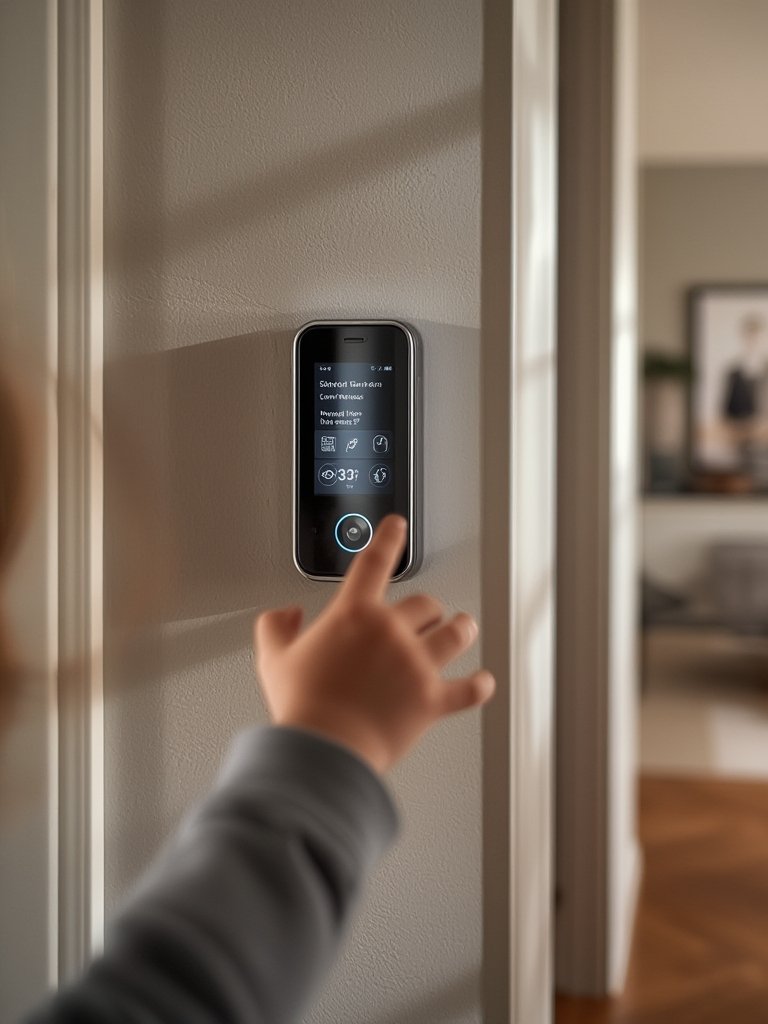
Want more actionable ways to save money and boost comfort? Check out these tips on predictive home automation for maximum performance.
Advanced Analysis & Common Pitfalls in AI Home Automation
AI home automation can transform daily living, but the transition isn’t seamless. Here are the most common issues and why being realistic pays off:
- Complex Setup & Integration: Proprietary systems can force you into limited device choices or complicated workarounds. For example, mixing Google, Amazon, and Apple devices may require expensive bridges or apps, and not all features play well across platforms.
- Inconsistent Reliability: AI routines can break unexpectedly with software updates or network outages. Compared to basic rule-based automations, AI-based routines may suddenly misinterpret behavior or fail to trigger, leading to user frustration.
- Privacy Risks: AI-driven systems rely heavily on data from sensors, cameras, and microphones. While this enables smarter prediction, it also introduces risks if data isn’t properly secured or if cloud privacy policies change. According to recent industry insight, most vendors don’t yet meet stricter privacy or local processing demands.
- Hidden Costs & Ongoing Fees: Hardware is often affordable upfront, but advanced AI features may lock you into subscription services or platform ecosystems, making switching difficult or expensive.
- Learning Curve & Maintenance: AI routines take time to learn and sometimes require “training” through repeated usage. Traditional automations are more predictable, but less personalized.
| Aspect | AI Home Assistants (Google, Alexa, Siri) | Traditional Rule-Based Systems |
|---|---|---|
| Features | Personalization, predictive analytics, natural language processing, proactive automations, dynamic learning, multi-device orchestration. Source | Strict if-then rules, scheduled triggers, static routines, less device orchestration. |
| Limitations | Complex setup, privacy concerns, dependency on cloud inference, not fully mature scaling. Source | No learning, limited flexibility, manual maintenance, no adaptation to lifestyle changes. |
| Costs | Hardware is cheapest for starters (smart plugs, basic hubs). New AI-driven features may introduce ongoing fees or subscription models. | Lower initial costs, less maintenance, but fewer long-term savings (especially in energy optimization). |
Experience shows the best value comes from focusing on “sticky” automations—energy management, robot vacuums, and security—rather than novelty features. Integrate proven devices like those with reliable local AI security cameras to maximize benefit and minimize risk.
Conclusion: Is AI Home Automation Right for You?
Done thoughtfully, AI home automation can genuinely enhance comfort, efficiency, and peace of mind. But the best results come from matching your investment to real needs, starting small, and expanding only after achieving tangible benefits. Privacy, reliability, and cost are the main watchpoints, but those who commit to understanding the technology stand to gain the most.
Ready to get started with AI home automation? Explore smart plugs, secure cameras, and energy monitoring solutions to see what automation can do in your home right now.
FAQ about AI Home Automation
What’s the main difference between AI home automation and traditional smart home controls?
AI home automation learns your habits and can predict your needs, while traditional systems follow preset rules or schedules. AI routines adapt over time, offering more comfort and efficiency.
Can I use AI home automation if my devices aren’t “smart” yet?
Yes, many entry-level products like smart plugs and voice assistants can be added to existing appliances. Look for affordable retrofitting solutions before replacing everything at once.
Is AI home automation secure and private?
There are privacy risks, especially with devices that record audio, video, or analyze usage patterns. Opt for devices that process data locally, review security policies, and update device software regularly for better protection.
Which brands or devices are best for beginner AI setups?
Start with well-supported hubs like Google Nest, Amazon Alexa, or Apple HomeKit compatible smart plugs, sensors, and robot vacuums. Focus on brands that offer reliable updates and cross-device compatibility.
Do I need to pay ongoing fees for AI automation?
Basic automations typically have no ongoing cost, but advanced AI features, enhanced analytics, or cloud processing may require subscriptions, especially as functionality increases.