

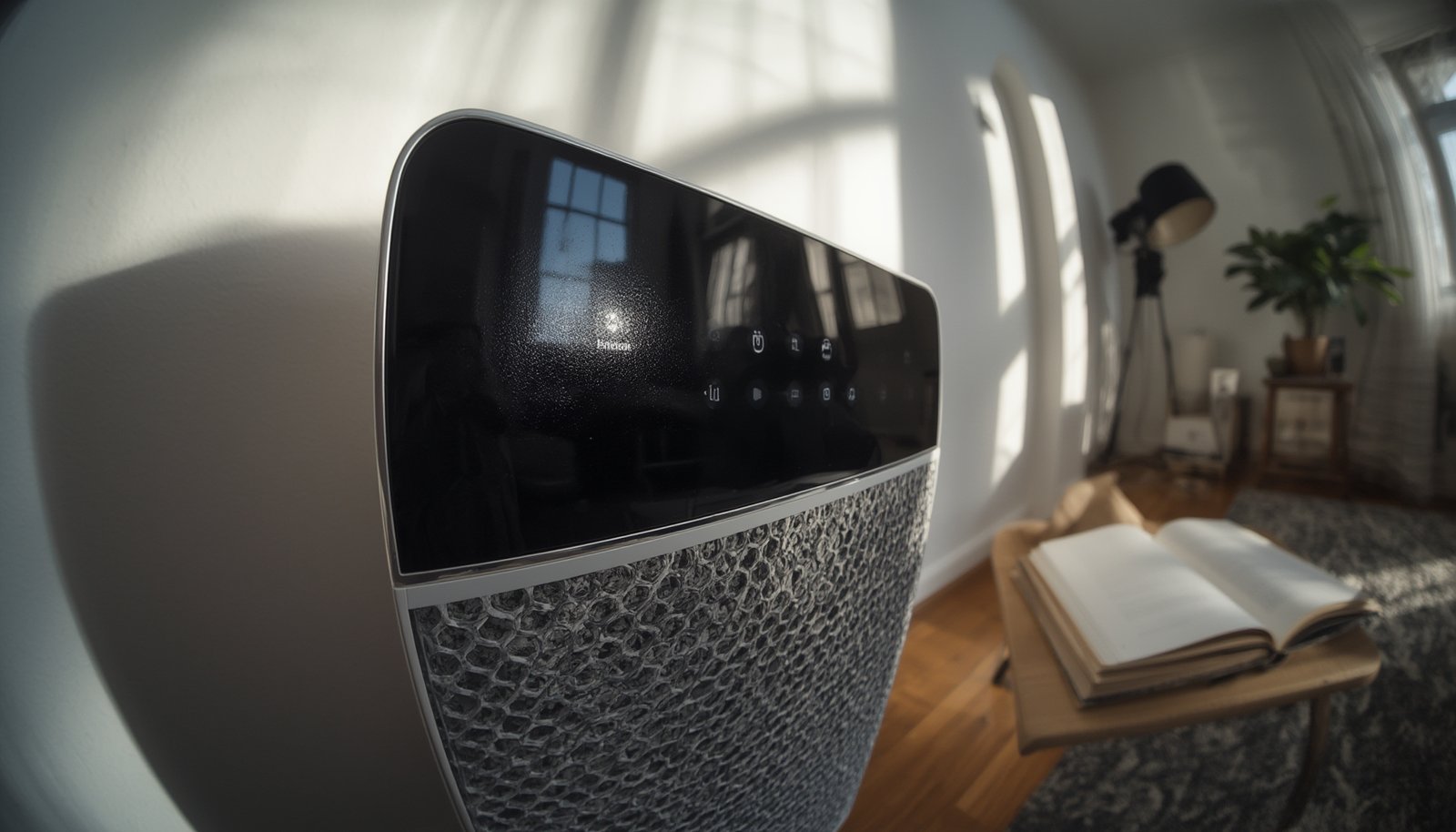
air purifier carbon filter technology promises cleaner, fresher indoor air, but what does science say about its real-world performance? In this deep-dive, we cut through marketing claims to reveal what works, what doesn’t, and the best ways to get value from your investment in odor removal and air quality. If you’re tired of smoke, musty smells, or mystery chemicals in your home, keep reading for the most direct and actionable advice on carbon air filters in 2024.
Key Takeaways
- HEPA/carbon filter air purifiers reduce PM2.5 and NO2, but direct removal rates for odors and VOCs are largely unmeasured in studies.
- Expect a reduction in fine smoke particles of 45–78%, while effectiveness against odors and VOCs is promising but not independently validated.
- Filter life, costs, and true long-term performance often disappoint users—understand these pitfalls before buying or replacing filters.
- What Is an Air Purifier Carbon Filter and Why Use One?
- How to Maximize Air Purifier Carbon Filter Performance: Step-by-Step
- Advanced Analysis and Common Pitfalls with Air Purifier Carbon Filters
- Conclusion: Should You Use an Air Purifier Carbon Filter?
- Frequently Asked Questions
What Is an Air Purifier Carbon Filter and Why Use One?
An air purifier carbon filter is a specialized layer, usually made of activated carbon, added to air purifiers to trap gases, odors, and volatile organic compounds (VOCs) that standard particle filters (like HEPA) cannot remove. The activated carbon, often derived from coconut shells or coal, is highly porous and adsorbs pollutants at the molecular level as air passes through.
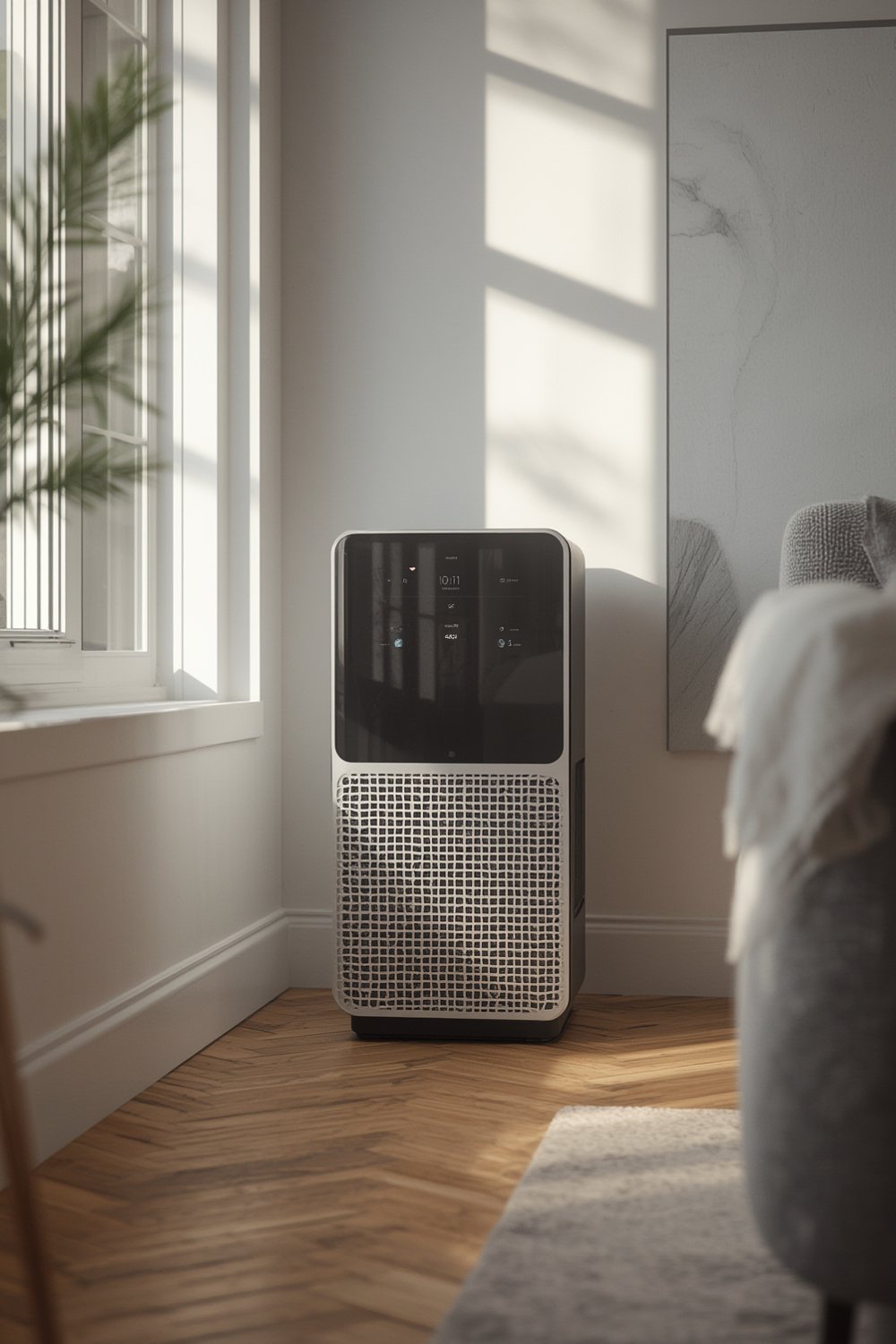
Why do you need a carbon filter? Standard air purifiers target dust, pollen, and other particulates, but many household air problems—such as wildfire smoke, tobacco odor, lingering cooking smells, off-gassed chemicals from furniture, or pet odors—are linked to gases and VOCs. Activated carbon is one of the few proven, widely available filtration materials that can meaningfully reduce such pollutants in your indoor air.
Unlike HEPA, which physically traps particles down to 0.3 microns, carbon filters work through adsorption. Gaseous molecules, such as formaldehyde, benzene, or even unpleasant smells, are attracted to carbon’s porous surface and held there, reducing what reaches your lungs. This is particularly valuable during wildfire seasons, heavy pollution alerts, or in homes affected by tobacco smoke.
The U.S. air purifier market—including models with carbon filters—grew to an estimated $4.5 billion in 2024, with consumers seeking health protection and odor removal solutions (source). But not all carbon filters are equal, and lab-verified results, especially for VOCs and odors, are less concrete than for particle pollution. That’s why it’s crucial to understand both their potential and their limits.
How to Maximize Air Purifier Carbon Filter Performance: Step-by-Step
Choosing and using an air purifier carbon filter effectively isn’t about buying the most expensive model or simply pressing “On.” Here’s a practical guide to get the best results—and avoid wasting money.
- Assess your Air Quality Needs: Are you troubled by odors, wildfire smoke, or chemical off-gassing? Knowing your main concerns helps you select the right filter size and configuration.
- Select a Purifier with Real Activated Carbon: Look for a filter with at least several hundred grams of carbon. Ultra-thin “odor sheets” are almost useless for persistent VOCs. Third-party certifications (e.g., AHAM Verified) and reputable test results are a plus.
- Room Size Matters: For best results, only use a purifier rated for the square footage of your space or smaller. Oversized spaces dilute effectiveness—even the best carbon won’t keep up.
- Placement: Put the purifier near odor or pollutant sources. Keep a minimum of one foot of clearance on all sides for best airflow.
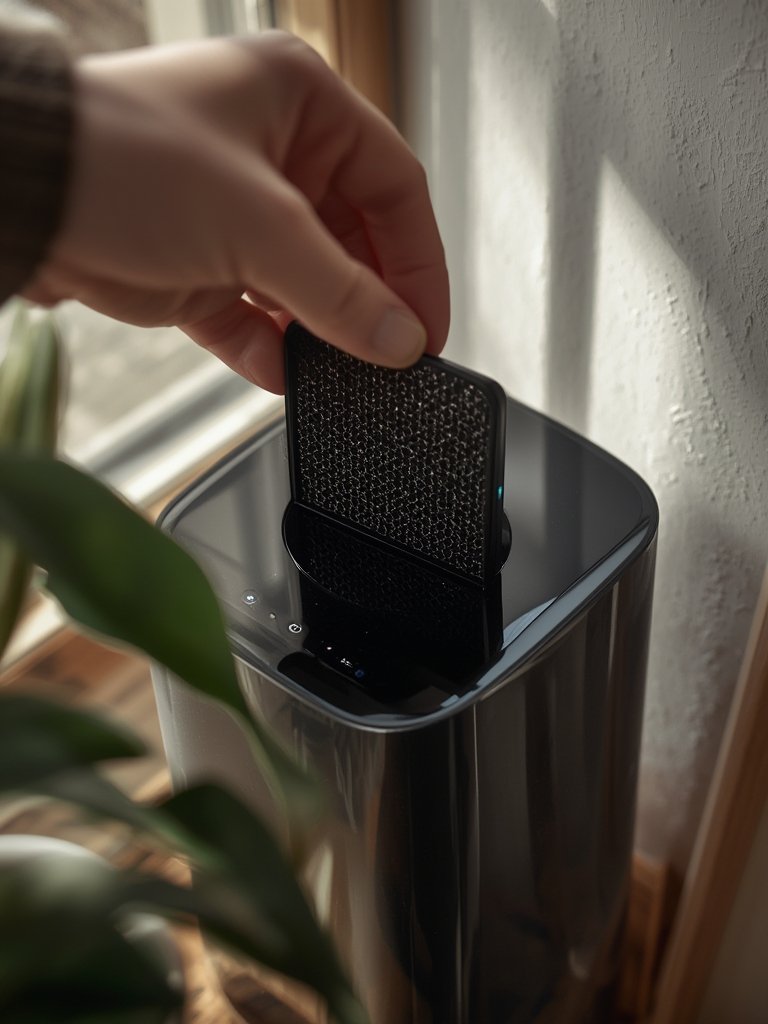
- Maintenance: Replace activated carbon filters every 3 to 6 months for typical use, or sooner under heavy smoke/odor load, even sooner during wildfires. Ignoring replacements dramatically reduces performance.
- Seal Windows and Doors: Especially during external pollution events, keep rooms as airtight as possible when running your air purifier. This maximizes carbon filter lifespan and efficiency.
- Supplement with VOC sensors: Many advanced purifiers now include built-in VOC sensors, but you can monitor air yourself using a separate consumer-grade TVOC meter. Get a full guide on how to use air purifier VOC sensors.
For those aiming to boost overall indoor comfort as well, integrating smart home devices such as predictive home automation can help automate air quality and related climate controls.
Advanced Analysis and Common Pitfalls with Air Purifier Carbon Filters
It’s tempting to believe that every air purifier carbon filter can banish all odors and chemicals, but the reality is far more nuanced. Recent scientific reviews show the bulk of available evidence focuses on reductions in PM2.5 (fine smoke particles), PM10, and NO2 through HEPA+carbon combos, with only indirect suggestions regarding VOC and odor removal.
| Pollutant Type | Lab-Measured Reduction | Typical Filter Used | Study Source |
|---|---|---|---|
| PM2.5 (smoke, wildfire) | 57% avg (range 5.3–99%) | HEPA + Activated Carbon | NCCH 2024 |
| PM2.5 (indoor air) | 61% (COPD homes); 45% (low-income housing) | HEPA + Activated Carbon | PMC Journal |
| NO2 (kitchens, traffic) | 24–36% in homes; up to 87% in vehicles | HEPA + Activated Carbon | PMC Journal |
| VOCs, Odors | Not Independently Quantified | Activated Carbon | NCCH |
Common Pitfalls and Realistic Limitations:
- Overestimating Odor/VOC Removal: While carbon is the best available tech for in-home use, truly persistent or high-volume sources may never be fully eliminated. Manufacturing and scientific testing of odor removal lags behind particulate testing. Claims of “100% odor elimination” are scientifically unsupported (source).
- Ignoring Filter Lifespan: Carbon filters saturate over time—especially under heavy load. There is no visible sign the filter has “filled up” or lost effectiveness, so a stale smell might persist even if the fan is still running.
- Maintenance Costs: Replacement can be expensive and recurs every 3–6 months. Unlike HEPA, exhausted carbon can allow pollutants to pass right through, potentially releasing trapped gases.
- No Brand Guarantees: Lab data naming best brands for VOC or odor removal is not available in peer-reviewed studies (source). Rely on certified ratings and published CADR figures, where possible.
- Carbon Type Confusion: Many filters advertise “coconut shell” or “impregnated” carbons, but data showing a meaningful performance difference in residential purifiers does not exist as of 2024.
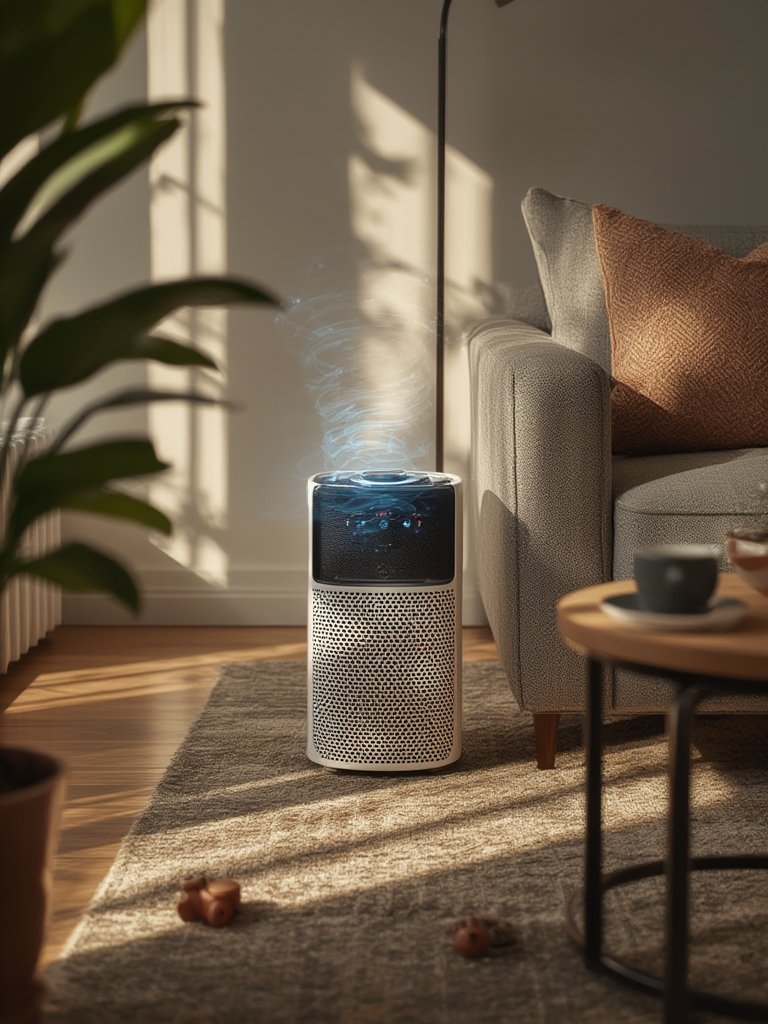
For a more holistic and automated approach to home health, you can combine smart purifiers with circadian smart lighting to synchronize air quality and wellness-focused routines.
Conclusion: Should You Use an Air Purifier Carbon Filter?
Air purifier carbon filter solutions remain the front line for reducing indoor smoke, some odors, and gaseous pollutants, especially when paired with HEPA filtration for particulates. The evidence points to significant improvement for fine smoke particles and moderate gains against other gases like NO2, but direct proof for standout VOC/odor removal is still missing.
If you choose and replace filters wisely, and set realistic expectations, you can dramatically enhance indoor air quality—especially during wildfire seasons or in homes impacted by lingering odors. Be sure to check for third-party certification, track filter change intervals, and use a Data-driven approach for any add-on investments.
Ready to take the next step for cleaner air? Explore advanced indoor monitoring and energy management with energy monitoring smart plugs to improve your home’s safety and efficiency alongside your next air purifier carbon filter upgrade.
Frequently Asked Questions
How often should I replace my air purifier carbon filter?
Most activated carbon filters need replacement every 3 to 6 months with standard use, and more frequently during heavy smoke or odor events. Some high-end filters may last longer, but always check your manufacturer’s guidance and monitor for return of odors or reduced airflow.
Do air purifier carbon filters really remove all odors and VOCs?
No. While they significantly reduce many odors and gases, no carbon filter can promise complete removal of all chemical pollutants, especially if new sources are present or if the filter is saturated.
What’s the difference between a carbon pre-filter and a thick carbon filter?
Thin pre-filters offer basic odor control for short periods but become saturated rapidly. True activated carbon filters contain more material, handling higher pollutant volumes for longer. Always check the filter weight and specifications.
Are there any brands that outperform for smoke and VOC removal?
Current lab studies do not rank specific brands. Choose devices with third-party certification, proven smoke CADR, or full technical specs, and avoid relying solely on marketing claims.
What if I want to make my air quality system fully automated?
Consider integrating air quality monitors and compatible smart home systems. Learn more about predictive home automation for blending air purification with dynamic home comfort controls.