

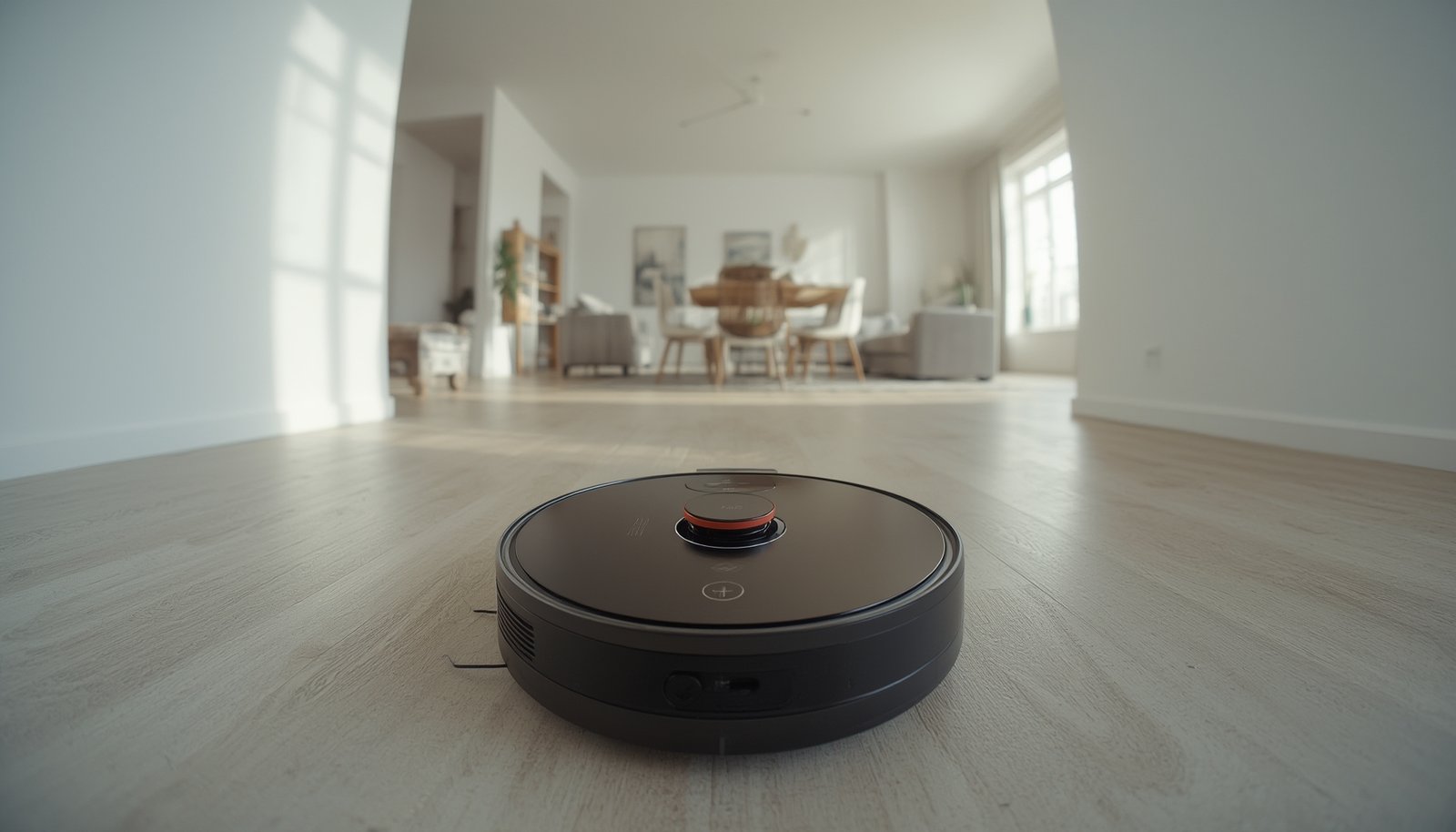
Robot vacuum auto water refill technology is changing the way homeowners keep their floors spotless, offering hands-off cleaning by eliminating the frequent hassle of manual water tank refills. If you’ve been frustrated by stopping to top up your robot mop mid-cycle, keep reading. This guide breaks down exactly how auto refill works, who should consider it, the pros, potential downsides, and concrete steps to get the most from this feature.
Key Takeaways
- Robot vacuum auto water refill systems minimize maintenance by automating mop tank refills, but require careful setup and periodic checks.
- Installation may involve plumbing, but some new models offer external tank or atmospheric water solutions.
- Potential drawbacks include installation cost, space requirements, and the need to monitor for leaks or malfunctions.
- What Is Robot Vacuum Auto Water Refill and Why Does It Matter?
- Step-by-Step Guide: How to Set Up and Maximize Auto Refill
- Advanced Analysis & Common Pitfalls of Auto Water Refill Systems
- Conclusion
- FAQ
What Is Robot Vacuum Auto Water Refill and Why Does It Matter?
Robot vacuum auto water refill is a hands-off technology where your robot mop recharges its mop tank with clean water automatically from a connected source. Traditional robot mops require you to manually refill a small water tank every few cleaning cycles. With auto refill, your robot can clean for days or even weeks before you need to handle the water at all.
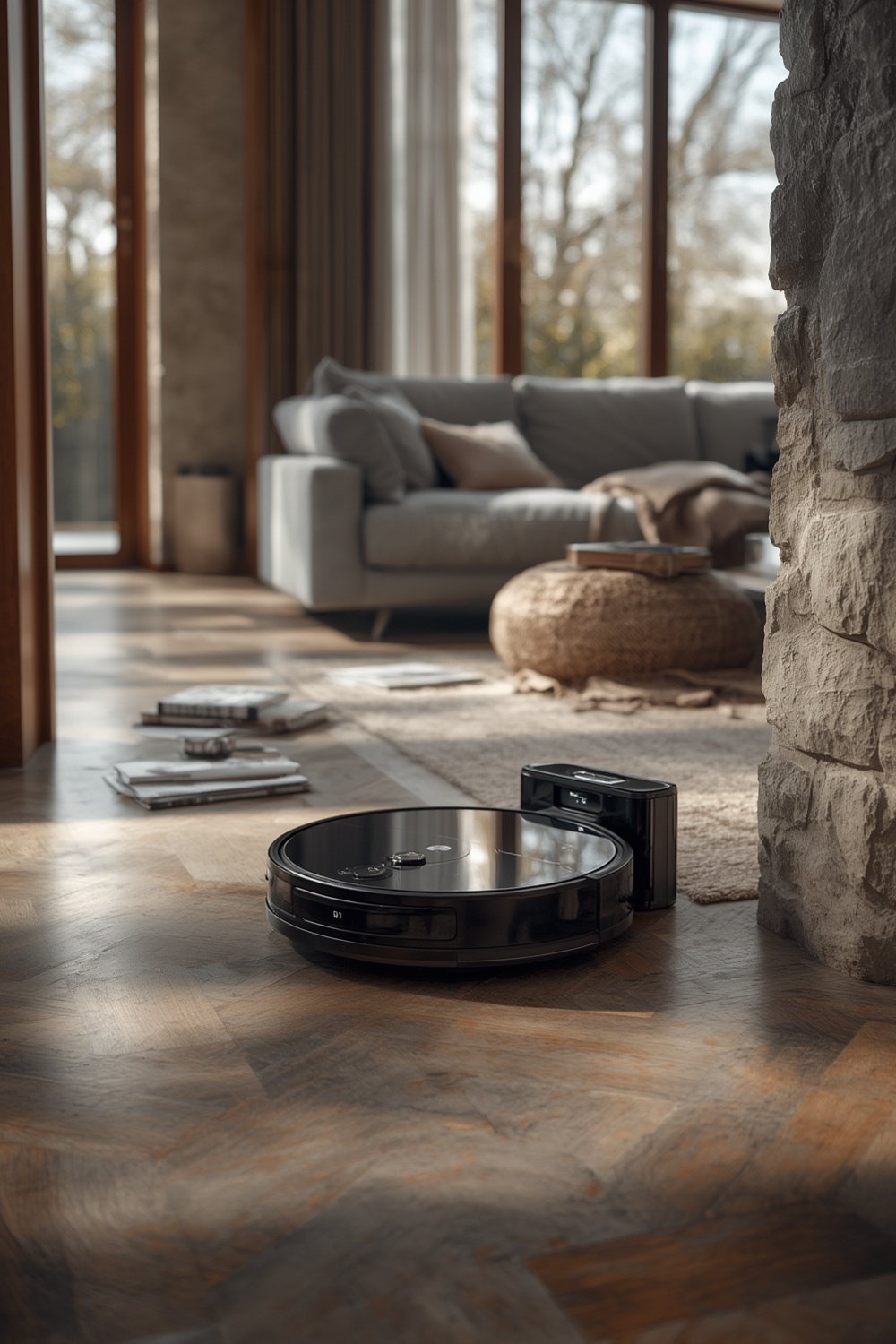
This leap in convenience comes as top-tier models like the Roborock S8 MaxV Ultra and flagship mops from 3i incorporate large docks that refill (and often empty) water tanks automatically. For busy professionals, pet owners, or those with large homes, auto refill means more consistent cleaning with truly minimal intervention.
Why does this matter? Because water refill is consistently cited as one of the top three annoyances for robot mop owners. Whether you’re managing pet messes, high foot traffic, or large open spaces, the ability to automate refills saves time and keeps floors cleaner. And if you combine auto water refill with automation like predictive home automation routines, your home can essentially clean itself on a schedule that matches your real life.
While auto water refill technology simplifies maintenance, it isn’t universal yet. Most entry-level and some mid-tier models still rely on manual refill, while advanced docks require extra space and sometimes modifications to your home (such as access to a water line or use of external reservoirs).
Step-by-Step Guide: How to Set Up and Maximize Auto Refill
Setting up robot vacuum auto water refill isn’t complicated, but it pays to follow a structured approach. Here’s how to get going and tweak settings for the most hands-off experience possible:
- Choose the Right Model: Select a robot vacuum and dock combination that supports auto water refill. Recent releases from Roborock and 3i (such as the S10 flagship with water-from-air refill) are front runners. Compare capacity, refill frequency, and compatibility with your home’s layout. If mapping reliability is also a priority, explore models with 3D mapping for multi-zone cleaning.
- Prepare Your Installation Site: Auto refill stations often require mains water access or room for a large external tank. Place the dock near a water source, avoid direct sunlight, and allow at least 30 centimeters of clearance on all sides for easy maintenance.
- Connect Plumbing or Tank: For plumbed setups, use manufacturer-supplied hoses and anti-leak fittings—avoid improvising connections as leaks can damage flooring or electronics. Non-plumbed models may use a refillable external reservoir.
- Test for Leaks and Functionality: Before inserting your robot, run a refill cycle (most docks have a ‘maintenance mode’). Check every connection for drips and listen for the sound of running water. On refill success, the dock’s indicator should show a full tank.
- Set Up Cleaning Schedules: In your robot’s app, create a schedule that matches room usage. Auto refill comes into its own with daily cleanings (ex: after breakfast, after work) since you no longer need to refill by hand.
- Monitor Water & Dirty Tank Levels: Even hands-off setups need checks. Ensure clean water never runs dry and dirty tanks are emptied as prompted—set reminders in your app for monthly full cleanings of the system.
- Keep Mop Pads and Filters Maintained: Auto water refill doesn’t clean your mop pads or replace filters. Set a reminder to change pads weekly or as recommended by your robot’s manual for best results.
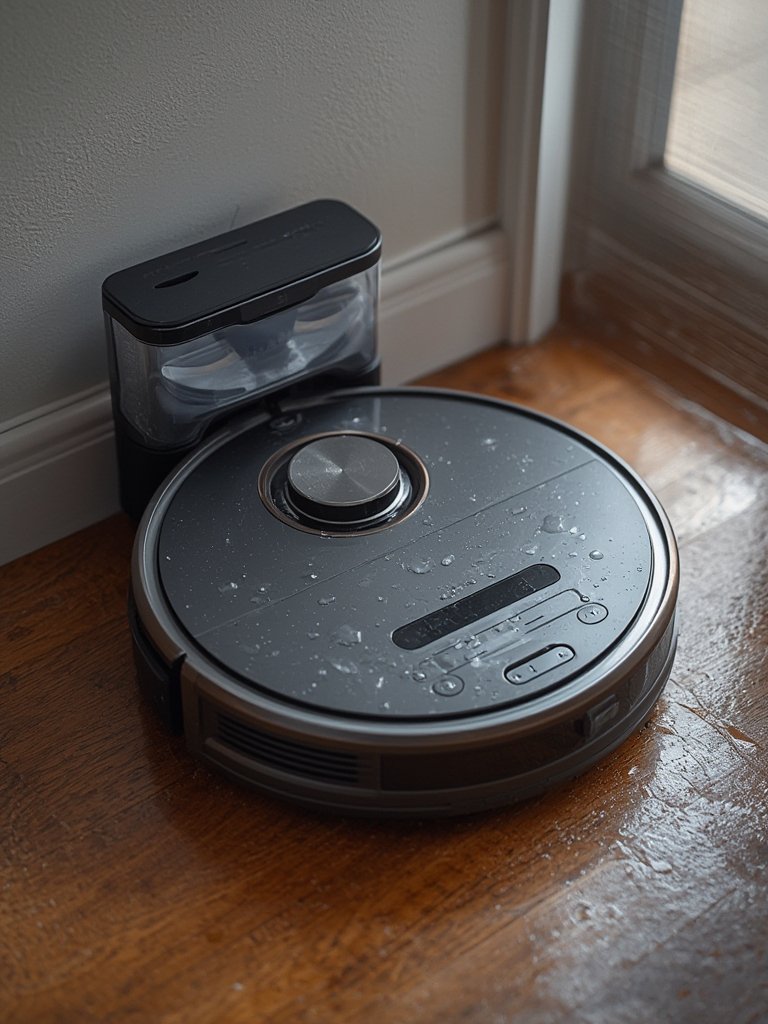
Some advanced stations also include mop auto-drying and detergent auto-dosing, as outlined in our guide to robot mop auto dosing. Combining these features truly reduces floor cleaning to a set-and-forget task.
Looking for more hands-off automation? You might consider combining your robot mop with integrated smart home security or scheduling through routines based on foot traffic detected by other smart sensors. The ultimate smart home is both clean and secure, with less manual juggling.
Advanced Analysis & Common Pitfalls of Auto Water Refill Systems
Robot vacuum auto water refill systems offer exceptional convenience, but there are important caveats and common pitfalls to consider. Understanding these can save you from buyer’s remorse or unexpected repair headaches.
| Feature/Factor | Auto Water Refill Models | Manual Refill Models |
|---|---|---|
| Upfront Hardware Cost | Higher (due to smart dock and plumbing/external tank) | Lower |
| Installation Complexity | May require plumbing or large reservoir | Plug-and-play, no installation needed |
| Maintenance Effort | Low, periodic checks still required | High, frequent manual refills |
| Risk of Leaks | Moderate, especially with DIY setup | Minimal |
| Space Required | Dock plus clearance; plumbing access or tank | Minimal |
| Cleaning Frequency | Multiple times daily, hands-off | Often limited by refill interval |
| Water Monitoring | Dock monitors, but user still empties dirty water | User must check tank every session |
| Support/Warranty Concerns | Seek brands with strong support; plumbing issues may void warranty | More straightforward warranty process |
Common Pitfalls and Solutions:
- Leak Risk: DIY plumbing or loose hoses can leak. Always use supplied fittings and check connections monthly.
- Sensor Malfunction: Water tank sensors may fail, triggering errors. Clean and inspect sensors regularly; keep the dock firmware up to date.
- Dirty Water Handling: Most auto refill models do not empty the dirty water tank. Empty it once a week or as prompted to avoid odors and mold.
- Space Requirements: Large docks don’t fit in tight entryways or small apartments. Confirm dock footprint before buying.
- Plumbing Limitation: Not all homes have easy access to a water line in the cleaning area. If plumbing isn’t possible, pick a model with an external tank solution like the 3i S10’s water-from-air technology.
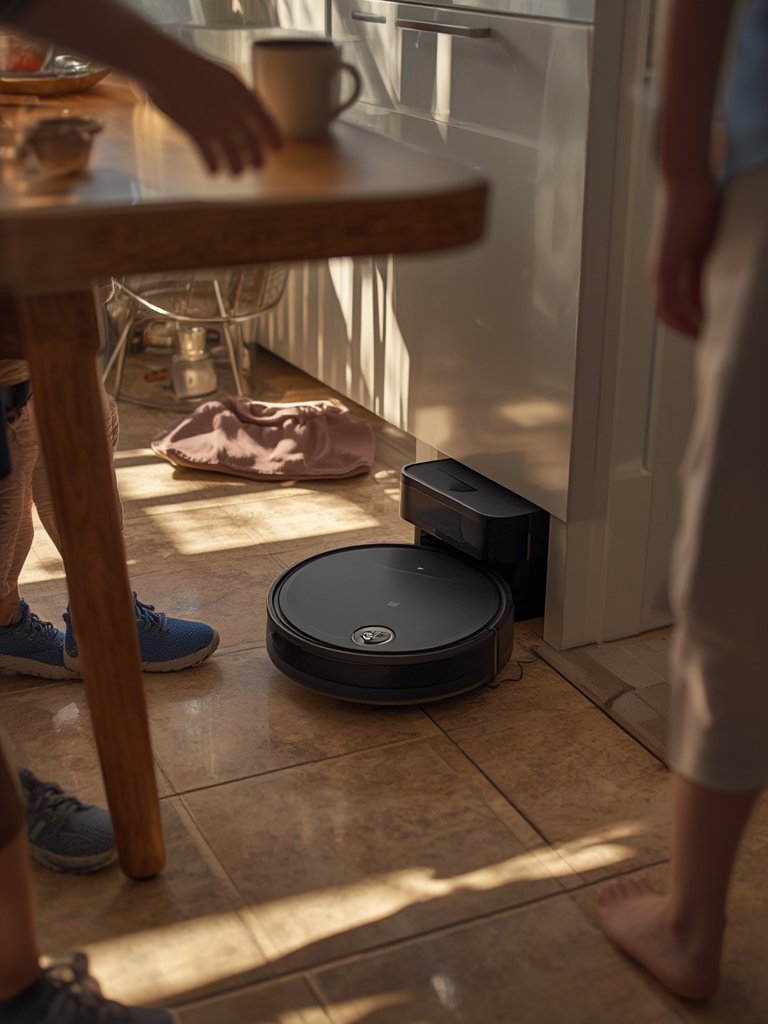
Real-world reviews indicate most user complaints focus on price, dock bulkiness, or rare leaks. Specific issues with the auto water refill system itself—such as misfilling, overflows, or complete sensor failure—are far less common but can occur, especially in early models or with improper installation [see Roborock’s event summary].
Want to ensure your purchase meets all your needs? Match advanced mop features with mapping, auto-emptying, and edge cleaning as described in our robot mop combo guide, so you choose the best fit for your space and routine.
Conclusion
Robot vacuum auto water refill technology truly delivers on the smart home promise: cleaner floors with less effort. By choosing the right model, carefully installing (and periodically monitoring) your system, and staying aware of common pitfalls, you’ll enjoy a mostly hands-off experience. Whether you’re upgrading an existing bot or setting up a smart home from scratch, robot vacuum auto water refill is a realistic way to automate a previously annoying chore. Ready to streamline floor cleaning for good? Research your options, choose a dependable brand, and reclaim your free time.
Embrace automated floor care and see just how effortless home cleaning can become.
FAQ
Do all robot mops offer auto water refill?
No, only select premium models offer auto water refill, typically in combination with an all-in-one dock. Most entry and mid-range robots require manual refills.
Is plumbing always required for auto water refill?
Not always. While some docks connect directly to a water line, newer models offer large external tanks or even atmospheric water generation as alternatives.
Can auto water refill docks leak?
Leaks are rare with proper installation, but possible if hoses are not fitted correctly or if seals degrade over time. Regular inspection minimizes risk. For extra peace of mind, use a monitor for leaks.
Does auto water refill mean zero maintenance?
No. You still need to empty dirty tanks, clean mop pads, and check for errors. However, the most frequent task—refilling water—is eliminated.
How do these systems impact cleaning performance?
By ensuring robots always have water, cleaning is more consistent and thorough, especially with frequent scheduled runs in large or high-traffic homes.