

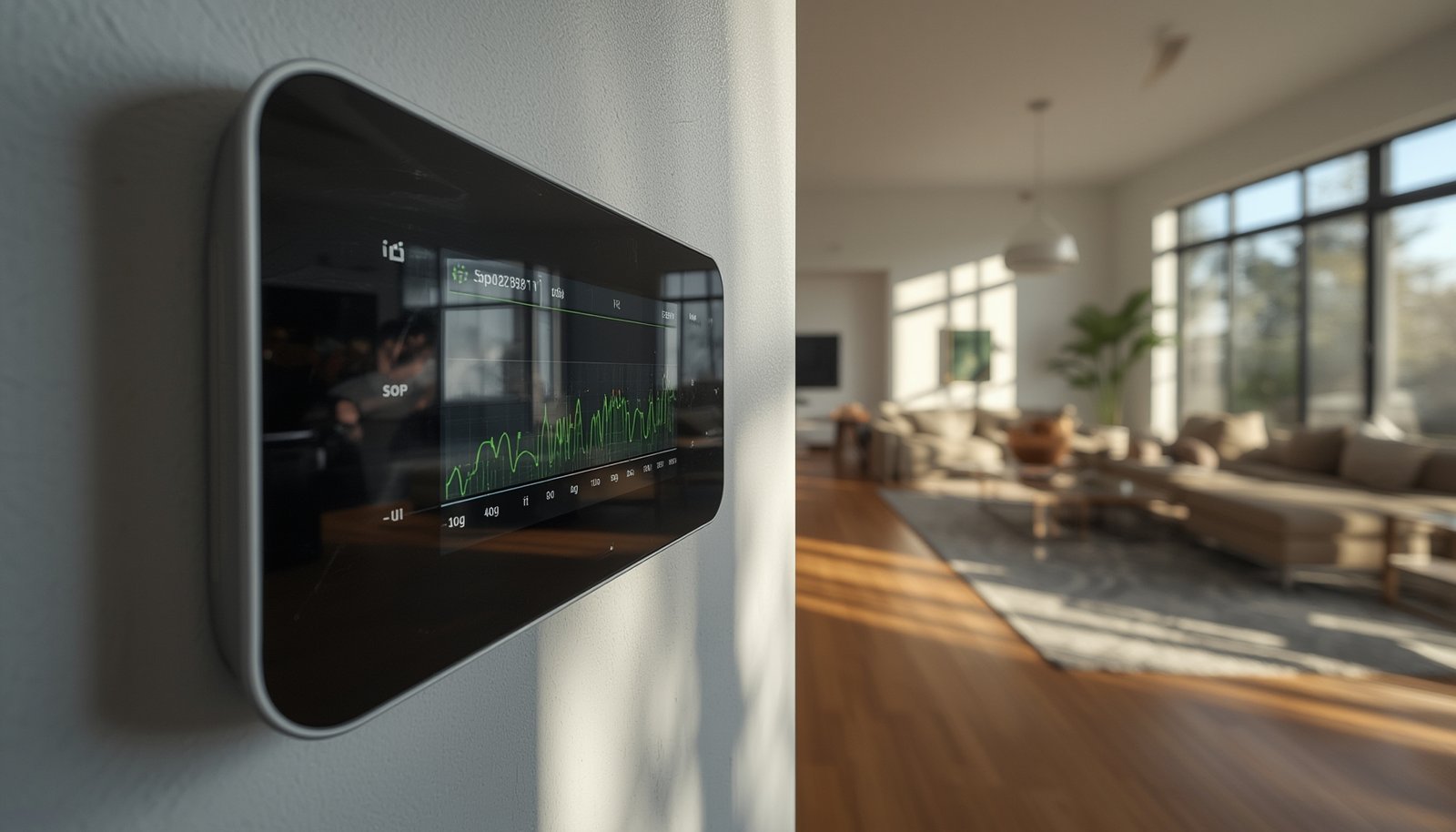
Smart home energy management is transforming the way people control, monitor, and optimize their household energy use. With rising utility bills and climate concerns, these systems promise lower costs and greater sustainability. Here’s how to achieve proven savings—without the hype, and with a clear-eyed look at challenges and real-world requirements.
Key Takeaways
- Integrated smart home energy management can slash household energy use by 20–35% and provide a payback in less than 3 years.
- Common pitfalls include device compatibility issues, lack of real user feedback, and privacy or cybersecurity blind spots other guides ignore.
- Real savings rely on actionable insights, proper integration, and user engagement—not just installing devices and hoping for results.
- What Is Smart Home Energy Management and Why Now?
- Step-by-Step Guide to Real Savings With Smart Home Energy Management
- Advanced Analysis & Common Pitfalls in Smart Home Energy Management
- Conclusion
- FAQ
What Is Smart Home Energy Management and Why Now?
Smart home energy management refers to using interconnected devices, automation, and energy dashboards to monitor and optimize your home’s energy usage—cutting waste and maximizing savings. Unlike a house full of disconnected “smart” gadgets, these systems create a unified, real-time control layer that adjusts lighting, HVAC, appliances, and even renewable energy sources for efficiency.
By 2026, integrating smart thermostats, lighting, sensors, and monitoring devices typically delivers a 20–35% overall reduction in household energy use[source]. For context, just a smart thermostat can cut HVAC costs by 8–10% (ENERGY STAR), while whole-home systems go further through coordinated automation.
Why now? Power prices keep rising, more homes have solar or EVs, and both utilities and eco-conscious homeowners see the urgency to lower peak demand and costs. Real-time dashboards, behavior nudges, and automation now give everyone a way to act, not just track energy usage.
Want to see how energy management fits into a complete secure, automated home? Check out our guide on predictive home automation to see how adaptive routines boost comfort and energy performance together.
Step-by-Step Guide to Real Savings With Smart Home Energy Management
Getting genuine, verifiable benefits from smart home energy management isn’t plug-and-play. Here’s what works, and what to avoid, based on industry data and thousands of real deployments.
- Audit Your Current Energy Use
Use a basic home energy monitor or your provider’s smart meter data to see annual, seasonal, and hourly patterns. Identify major loads (HVAC, water heating, lighting, laundry, kitchen). - Start With Thermostats and Critical Loads
Replace your primary thermostat with a connected model (Ecobee, Nest, Honeywell). Smart thermostats deliver sizeable savings—up to 26% HVAC reduction in optimal setups[source]. Use room sensors for multi-zone accuracy. - Upgrade to smart lighting
LED-based smart lighting systems can cut lighting costs by up to 90% when automated to occupancy, daylight, or schedules[source]. Use motion sensors in utility spaces for automatic shutoff. More ideas: Smart lighting automation for both energy and security benefits. - Integrate Appliance-Level Monitoring
Plug-in smart sockets show you which appliances burn the most energy. Use this data to automate off-hours shutdown routines or replace inefficient gear. - Centralize With an Energy Dashboard
Choose a platform or app that visualizes your household’s real-time energy profile. It should aggregate data from all monitoring devices, meters, and sensors. Set alerts for unusual spikes, and track progress weekly. - Automate and Optimize
Use scenes and schedules to shift high-consumption tasks (laundry, dishwashing) to off-peak periods if you have time-of-use electricity rates. Integrate solar data if available. More on this: whole home energy monitoring. - Review Payback and Tweak Automations
Compare actual bills and device usage stats every 2–3 months. Adjust automation schedules, temperature set points, and scene triggers for comfort versus savings as seasons change.

A typical setup costs between $500–$2,000 depending on system complexity, with break-even in 2–3 years for most households. Utility incentives or rebates in many areas accelerate ROI—some even cover smart thermostat or plug-in switch hardware.
For more tips on seamless automation and avoiding setup headaches, see our step-by-step smart home setup guide.
Advanced Analysis & Common Pitfalls in Smart Home Energy Management
Even with the best intentions, smart home energy management can fall short—or cost more than expected—if you ignore certain complexities. Here’s what the research and industry data reveal that most “how-to” guides skip.
Common Pitfalls and Unsung Issues
- Device Ecosystem Fragmentation: Different protocols (Z-Wave, Zigbee, Wi-Fi, Thread, proprietary) and brand ecosystems rarely work seamlessly. This means automation or data may fail if you mix brands, or you get stuck with “walled garden” limitations. For truly future-proof integration, read our guide on smart home interoperability.
- User Behavior Disconnect: Huge savings projections rely on users engaging automation—many people never enable advanced features. Real-world energy drops can be half what marketing promises if users ignore app alerts or override schedules when uncomfortable.
- Privacy and Cybersecurity: Most dashboards and device apps send sensitive usage data to the cloud. The lack of documentation on encryption standards or data leak risks is a critical oversight. See our privacy-focused tips: smart home privacy.
- No Environmental Data: None of the leading sources provide verified numbers on carbon emissions lowered by household energy management systems. While these tools truly cut energy use, calculating your own carbon impact will require outside research or utility support.
- Upfront and Ongoing Costs: Hidden expenses include paid cloud dashboards, advanced automation features, and replacing devices as tech evolves. Subscription fatigue is growing—look for platforms that retain core functionality without ongoing fees.
- Renewable and Smart Grid Integration Gaps: Most systems claim “solar integration,” but technical requirements—like inverter compatibility, bidirectional metering, or grid services—are rarely spelled out. True home-to-grid or EV-to-grid coordination requires hardware and regulatory support often not disclosed in product marketing.
Comparison: Upfront Costs and Savings Potential
| Device Type | Typical Installed Cost | Annual Savings | Payback Period | 10-Year ROI |
|---|---|---|---|---|
| Smart Thermostat | £200–£300 ($252–$378) | £131–£145 ($165–$183) | 1.5–2 years | 400%+ |
| Smart Plug/Socket | £150 ($189) | £85 ($107) | 1.8 years | 567% |
| Water Management | £400 ($504) | £120 ($151) | 3.3 years | 300% |
| Comprehensive System | £1,500 ($1,890) | £600 ($756) | 2.5 years | 400% |
Note: Ongoing subscriptions, device obsolescence, or required platform upgrades are rarely included in these ROI numbers.
Tech Requirements and Data Insights
- Most systems require robust, always-on Wi-Fi and seamless data aggregation from smart meters and devices, yet detailed technical requirements (like bandwidth or compatibility) are often missing from product specs[source].
- Energy dashboards translate real-time and historical use into actionable alerts, appliance-level insights, and time-of-use automation, but only if user data and settings are consistent and up to date[source].
Renewables and Future-Proofing
Smart home energy management systems increasingly allow for solar panel and battery storage integration, with time-sensitive automation that aligns with grid prices[source]. Watch out: product marketing rarely specifies inverter, metering, or grid standards support—meaning not all hardware will work together. More details on device compatibility can be found in our guide to Matter compatible smart home devices.
Conclusion
Smart home energy management delivers real, documentable savings—if you plan strategically, use actionable dashboards, and review actual results against hype. The integration of cloud-based analytics, sensors, and automation scenes enables most households to cut 20–35% from annual bills. Still, it’s vital to understand technical limitations, hidden costs, privacy risks, and the realities of ecosystem fragmentation when building your system.
To truly benefit from smart home energy management, track your savings, optimize your automations seasonally, and choose interoperable, secure devices. Ready to start or level up? Explore proven strategies, device reviews, and more at SmartConfort—or get started with our in-depth smart home energy management action guide now.
FAQ
How much can I actually save with smart home energy management?
Households using fully integrated systems see typical reductions of 20–35% in total energy use, translating to $250–$750+ per year, depending on home size and climate. Individual devices alone (like thermostats) offer more modest savings.
Do I need all new devices, or can I use what I have?
Many energy management platforms support a mix of old and new devices. However, compatibility issues can arise if your devices use different wireless standards or lack open API support. Check platform compatibility lists before upgrading.
Will my privacy or data be at risk?
Most “smart” dashboards send usage data to the cloud, so choose providers with documented privacy policies and encryption standards. If local data processing matters to you, research which systems offer offline or locally hosted control.
Is there a monthly or annual subscription fee?
Some platforms charge for advanced analytics, remote access, or detailed dashboards. Others are one-time purchases. Always check for subscription requirements before investing, and factor these into your payback calculations.
Do energy management systems work with solar or battery storage?
Yes, many systems can integrate with solar panels and home batteries for even more savings. However, specific compatibility with inverters and utility smart meters varies, so confirm with the manufacturer and check local grid connection rules.