

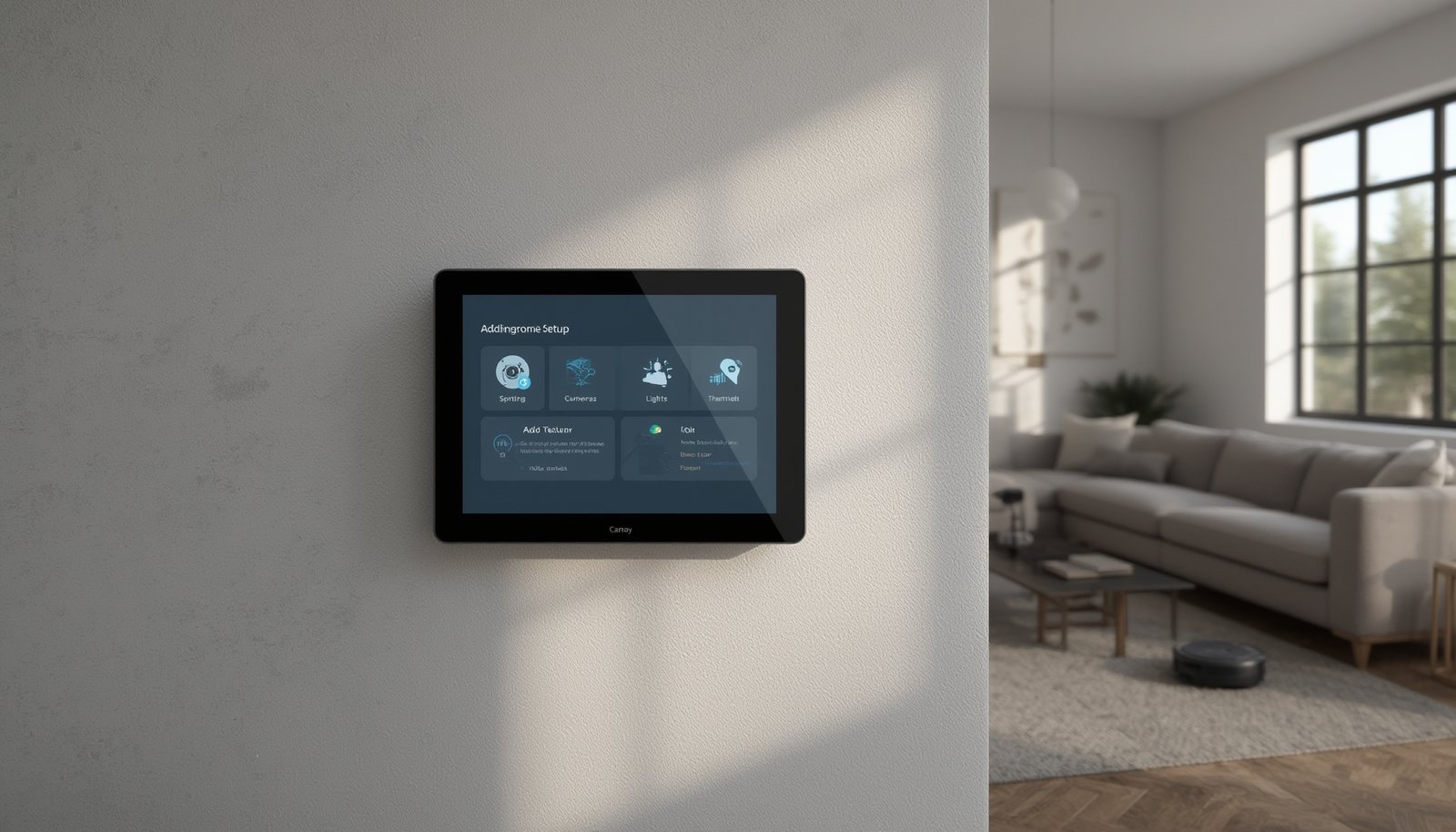
Smart home setup guide is often the very first search beginners make when they’re ready to automate their living space. If you want to avoid frustration and costly mistakes, you need up-to-date, real-world advice—not just shiny product lists and vague tips.
Key Takeaways
- Most smart home setup problems stem from high costs, device compatibility issues, and tricky installation steps.
- Competing guides rarely address ongoing expenses and integration headaches that frustrate beginners.
- Following a step-by-step smart home setup guide often leads to fewer tech headaches and far greater long-term satisfaction.
- What is a Smart Home Setup Guide? (And Why It Matters)
- Step-by-Step Smart Home Setup Guide (2024 Edition)
- Advanced Analysis & Common Pitfalls in Smart Home Setup (2024)
- Conclusion
- Frequently Asked Questions
What is a Smart Home Setup Guide? (And Why It Matters)
A smart home setup guide is more than a list of devices. It’s a framework to help beginners understand the core steps, avoid expensive missteps, and get true value from connected living. As of 2024, the global smart home market hit USD 84.5 billion, with U.S. households averaging eight connected gadgets per home. But satisfaction only comes when your pieces actually work together. A quality guide will highlight not just “what to buy,” but “how to build” a smart system you won’t regret. Security, privacy, and seamless control matter as much as convenience.
Step-by-Step Smart Home Setup Guide (2024 Edition)
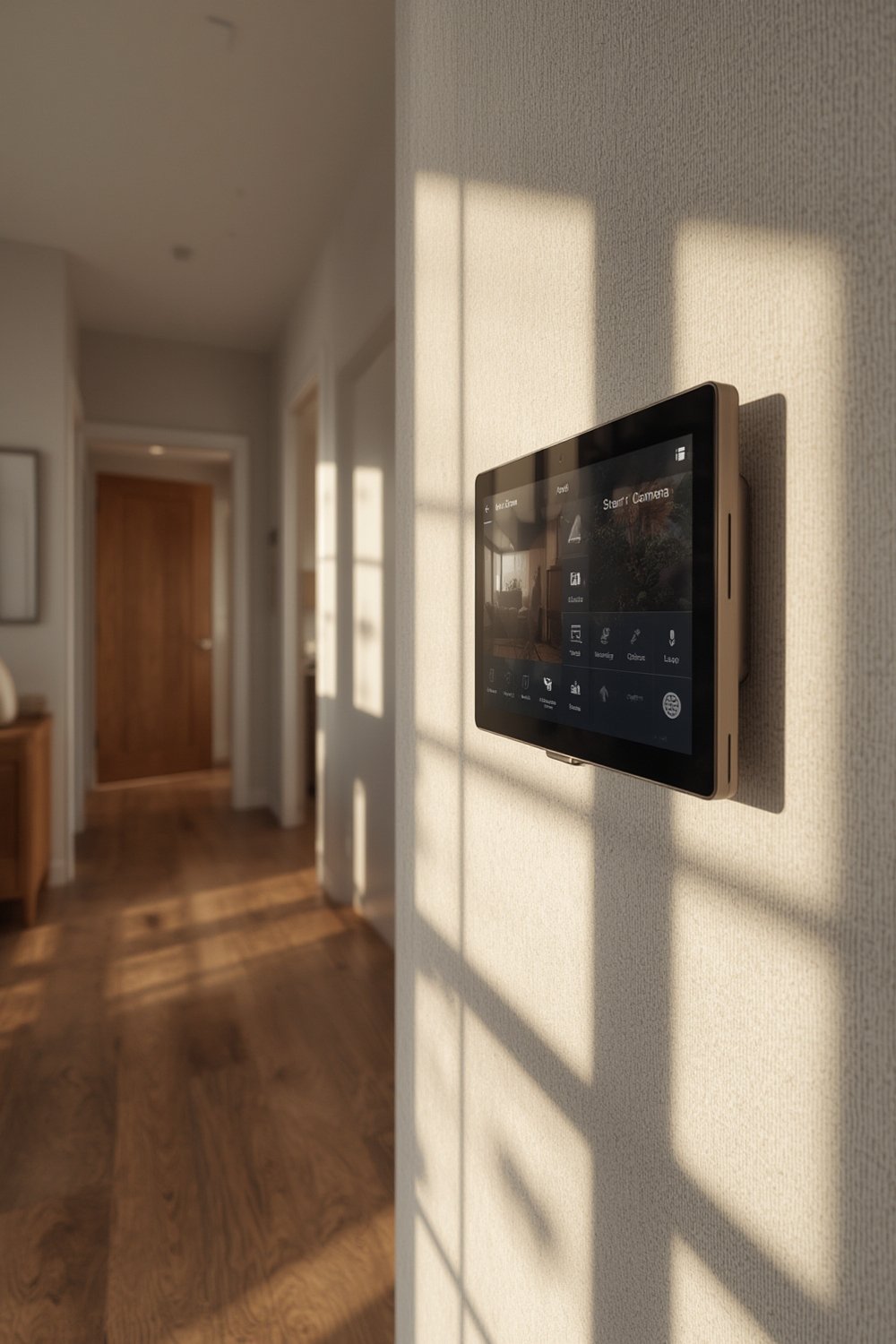
Jumping into your first smart home project? Follow these evidence-backed, realistic steps to minimize overwhelm and get the basics right:
- Define Your Smart Home Goals: Do you want better security, hands-free lights, or energy savings? Pinpoint your “why”—surveys show 46% of users adopt smart tech for convenience, while security and energy management are close behind.
- Pick Your Main Ecosystem: Will you use Alexa, Google Home, Apple HomeKit, or explore an open option? Device compatibility is the most frequent source of beginner headaches—don’t skip this decision. If you want true cross-brand future-proofing, research Matter-compatible devices for maximum interoperability. Need more? Check out the Smart Home Interoperability guide.
- Start Small, Think Unified: The best smart home setup guide always recommends starting with a few core devices: a smart speaker, at least one security camera, and a set of smart bulbs. Pick only the devices that are certified for your chosen platform.
- Physically Install Devices: Follow manufacturer instructions carefully, and always check for firmware updates before connecting.
- Connect and Integrate in the App: Download the required app (Alexa, Google Home, etc.), add your devices, and create your first room or group.
- Automate, But Don’t Overdo It: Try a simple automation, like lights on at sunset or a camera activation when the door opens. Get familiar before you expand further.
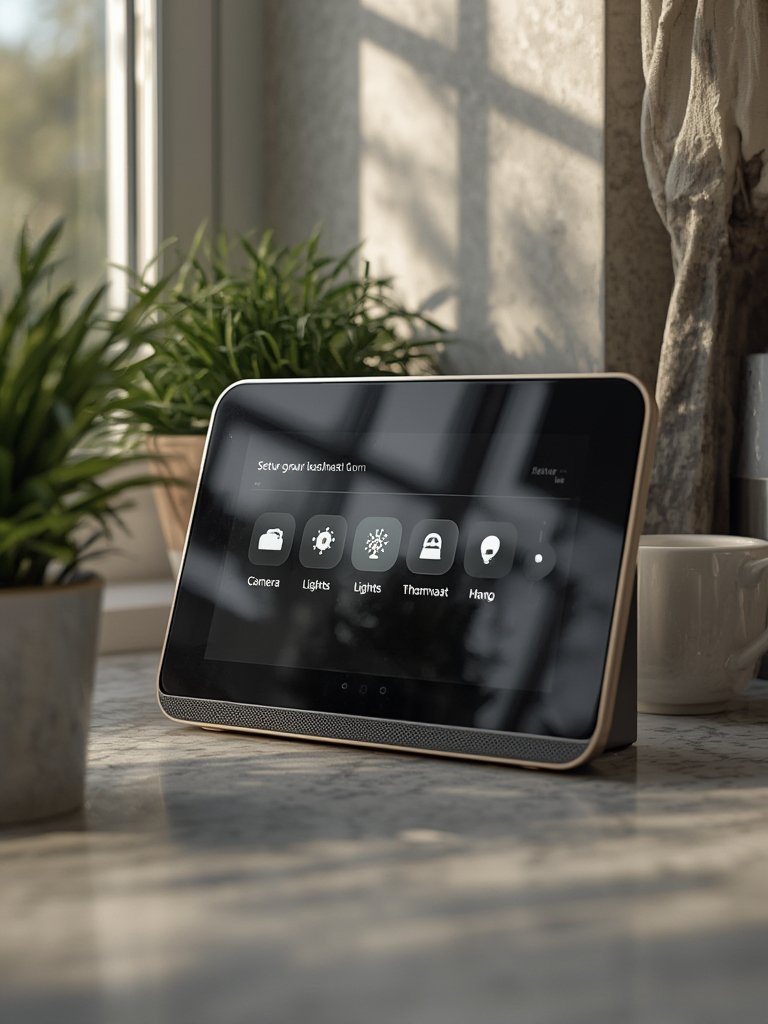
- Budget Tip: Wait for major sales events to buy your first devices. High costs are a major barrier—read energy monitoring tips in the Smart Plugs Energy Monitoring post to see where you can save after setup.
- Expand Carefully: Add new devices one by one. Test interoperability and be prepared to troubleshoot connection issues—don’t add everything at once.
- Don’t Forget Security: Change default passwords, enable two-factor authentication, and regularly update firmware. For advanced tips, dig into Smart Home Privacy and minimize cloud exposure.
Once these steps are completed, test everything: scenes, automations, notifications, and failover behavior if the Wi-Fi drops. Addressing small pain points now—like schedule conflicts or confusing app layouts—prevents major headaches later on.
Advanced Analysis & Common Pitfalls in Smart Home Setup (2024)
Even the best smart home setup guide can’t save you from every error. Here are the most common, real-user pitfalls of 2024, plus research-based facts you rarely see in mainstream guides:
- Cost: The Ongoing Barrier
In 2024, 42% of adopters and 52% of non-adopters cite device price as the top issue. Many users underestimate ongoing expenses (subscriptions, accessories, replacement batteries). - Device & App Fragmentation
Over half of users want unified control, but most brands still require separate apps or have limited interoperability. Even with the Matter protocol, not all devices play nicely together out of the box. Finding bridges for existing gadgets is crucial—see Matter Bridge Devices. - Setup, Installation & Connectivity Woes
Implementation hassles are a leading frustration, right after cost. Wi-Fi dropouts, Bluetooth pairing bugs, or confusing room grouping can add hours (or days) to a project. - Privacy and Security Risks
57% of consumers report data privacy worries, while hacking and unauthorized recording continue to rise. One in three U.S. owners are concerned about smart camera eavesdropping. Regularly revisit security basics and seek devices that allow local storage—explore Local AI Security Cameras for privacy-forward solutions. - Hidden “Feature Drift”
Brands sometimes remove features after you’ve set up your system, pushing upgrades or subscriptions. Always check community forums and product history before buying.
| Platform | Compatibility | Ease of Setup | Privacy Controls |
|---|---|---|---|
| Alexa | Excellent (hundreds of devices; new Matter support) | Simple | Basic by default; must actively configure privacy |
| Google Home | Excellent (wide range; Matter support) | Simple | Decent; advanced controls require digging |
| Apple HomeKit | Good (limited compared to others, but robust with Apple devices) | Easiest for iPhone/iPad users | Strongest privacy reputation (local processing when possible) |
For DIY security system tips that avoid costly pro installs (without sacrificing safety), read Smart Home Security System DIY.
Conclusion
Treat this smart home setup guide as your living-room-tested roadmap. Start Small, prioritize security and compatibility, and always plan for expansion. Research and patience will deliver a more satisfying smart experience than any “quick fix.” Ready to build your own effortless home? Start with this guide, and make tech work for you.
Take your next step: Pick your first device and ecosystem now—or dive deeper into predictive home automation for advanced automation ideas.
Frequently Asked Questions
What is the most important thing to get right in your first smart home setup?
Choosing a main ecosystem (Alexa, Google, Apple, or an open platform) with the devices you actually plan to use is the foundation. This prevents headaches from compatibility gaps later on.
How much does a basic smart home setup cost?
Costs vary, but expect $150-$400 for a starter kit (smart speaker, bulbs, plug, and starter camera). Ongoing costs include batteries and possible cloud subscriptions. Waiting for sales helps.
How do I fix device connectivity or setup problems?
Always check Wi-Fi reliability, update device firmware, restart routers, and ensure you use 2.4 GHz networks (most devices don’t like 5 GHz). Add devices one by one to isolate issues.
What’s the best way to secure my smart home?
Change manufacturer default passwords, enable two-factor authentication, regularly update device firmware, and consider devices that offer local processing/storage. Review all app permission settings.
Are smart home devices really worth it?
For most users, yes—97% report overall satisfaction after setup, especially in convenience and security. But spend carefully, start small, and check privacy policies so you don’t overcommit.