

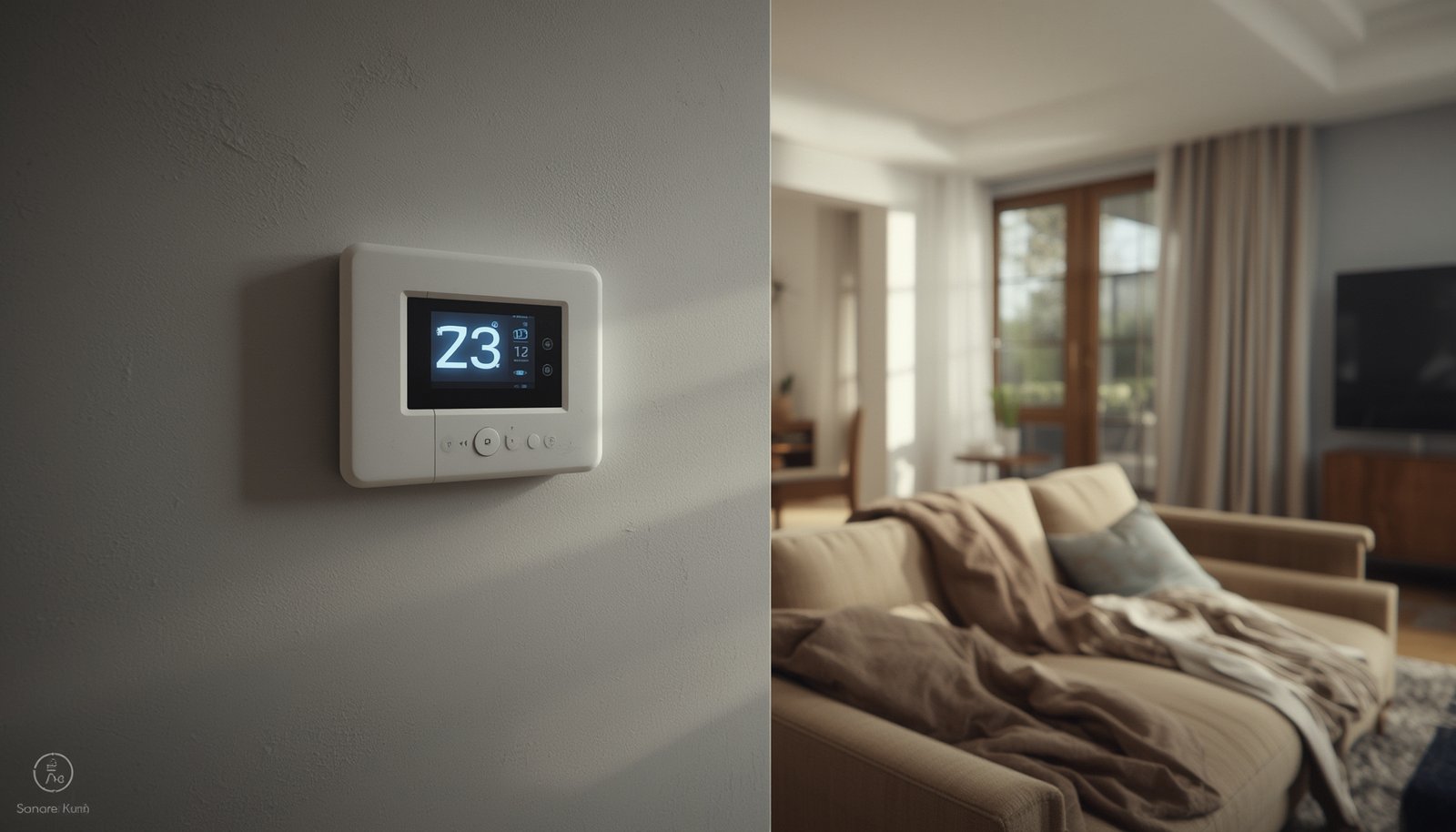
Smart home energy management is rapidly changing how we control, monitor, and reduce home energy costs. Whether you want more control over your bills, care about sustainability, or just love tech, understanding how these systems work—and how to actually deploy them—will help you make better choices for your home and wallet.
Key Takeaways
- The global smart home energy management market is worth up to $5.8 billion in 2024 and is growing over 13% each year.
- Adoption is highest in North America, while Asia-Pacific is catching up fast due to government incentives and urban growth.
- Most newer systems use AI, seamless integration, and work with popular smart thermostats, but cost savings and setup hurdles still vary widely.
- Understanding Smart Home Energy Management
- How to Set Up Smart Home Energy Management (Step-by-Step)
- Advanced Analysis & Common Pitfalls
- Conclusion
- FAQ
Understanding Smart Home Energy Management
Smart home energy management means using connected systems and devices to automatically track, control, and optimize how much power your home uses. These solutions let you see where energy is going, turn devices on and off from anywhere, and cut unnecessary waste—all using mobile apps, smart lighting, or bigger “whole home” dashboards. Why does it matter? Because energy costs are rising, and smarter control gives you a direct path to savings, less environmental impact, and more predictable bills.
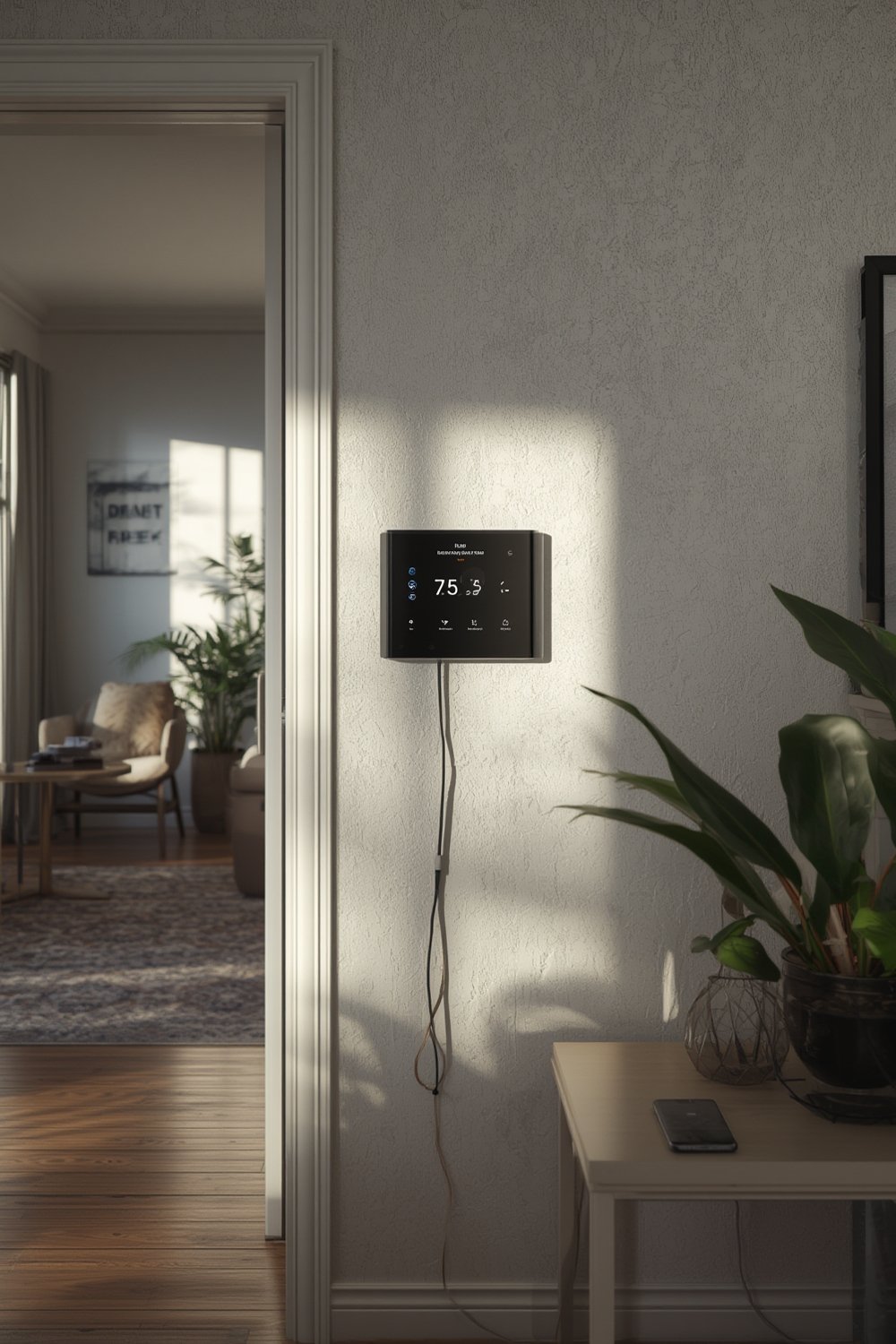
According to industry studies, the global Home Energy Management System (HEMS) market was valued between USD 3.5 and 5.8 billion in 2024, with expectations to nearly quadruple by the 2030s as smart devices become mainstream. The tech continues to evolve, with Wi-Fi, Zigbee, and AI-based platforms offering more accurate analytics, automation, and seamless integration with everything from smart thermostats to solar panels.
Essentially, these platforms work by connecting your appliances and systems—heating and cooling, lighting, plugs—to a central hub or app. This hub constantly gathers data about electricity use, recommends or even automates changes, and gives you clear feedback about savings opportunities. Many solutions now support renewable energy monitoring, remote voice assistants, and “plug and play” device addition. The result? A home that responds intelligently to your needs, even as your daily routine changes or as local energy prices fluctuate.
Want future-proof tips for lighting, hardware, and device integration? Check our guide on Matter smart lighting for actionable ideas.
How to Set Up Smart Home Energy Management (Step-by-Step)
Ready to get started? Building a smart home energy management system can be simple—or as advanced as you want. Here’s a proven, actionable process for new users (and those looking to upgrade their system):
- Audit Your Devices: List your biggest energy-using appliances first. For most homes, that’s HVAC and Lighting, water heaters, refrigerators, lighting, and “vampire” standby electronics.
- Add Smart Plugs or Sub-Meters: Install energy monitoring smart plugs for individual outlets, or a whole-home monitor at your electrical panel. Many plugs provide real-time feedback through apps, so you can spot wasting devices fast. For detailed plug setup tips, see this smart plug guide.
- Install a Central Hub or Dashboard: Choose an ecosystem that fits your needs. Some homes work with a single app—others might want a more advanced, DIY hub for deeper data and automation (like Home Assistant, Hubitat, or SmartThings).
- Connect Your HVAC and Lighting: Smart thermostats and lighting controls can be the biggest drivers of energy savings. Modern thermostats learn your patterns, optimize based on weather, and can be voice-controlled. For specifics, explore room-based thermostat strategies.
- Enable Automation and Scheduling: Use the system’s intelligence—set timers, rules, and location-based triggers to shut off devices when no one is home, or shift usage to cheaper, off-peak hours.
- Integrate Solar, Storage, or EV Charging (if available): For homes with renewables, ensure your dashboard supports solar power data and battery/EV management. This lets you track generation vs. consumption.
- Monitor, Adjust, Repeat: Review your data weekly. Set realistic targets, and tweak device schedules based on seasonal changes or energy price hikes.
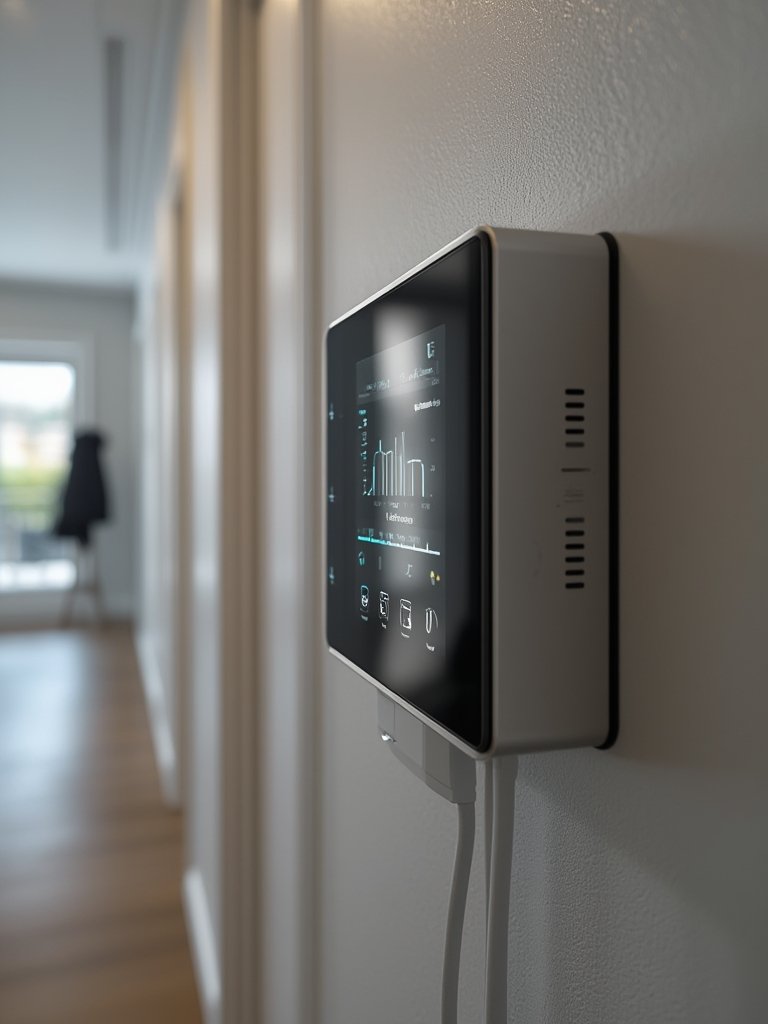
Most modern systems are compatible with Wi-Fi (about 33%+ global share) or Zigbee. Some support the newest Wi-Fi 6 and hybrid cloud deployments, making it easier to control and analyze your home from anywhere. Voice assistants, plug-and-play add-ons, and renewable energy support are all increasingly standard features. For those wanting deeper analysis, AI-powered platforms and energy analytics dashboards are evolving fast, as covered in our deep dive on predictive home automation.
Advanced Analysis & Common Pitfalls
Even with all the tech progress, there are still plenty of challenges with smart home energy management. Here are the most common headaches—and how to avoid or fix them.
| Problem | Root Cause | How to Mitigate |
|---|---|---|
| Device Compatibility Issues | Mixing brands/protocols (Wi-Fi, Zigbee, Z-Wave) without a unifying hub or Matter support | Standardize on one main ecosystem or choose hubs that support Matter and bridge protocols. See options in Matter compatible devices. |
| Complex Setup and Apps Overload | Each device/app has its own account, data, and settings | Pick a hub/dashboard that consolidates everything. Avoid “app fatigue” by planning device purchases around central compatibility. |
| Unrealistic Savings Expectations | Vendors oversell potential, but savings depend on device count, user discipline, and energy rates | Monitor actual usage and compare bills before/after. Many users see modest gains at first; larger homes or poorly insulated houses benefit most. |
| Upfront and Ongoing Costs | Hardware, installation, and sometimes cloud/subscription fees | Calculate payback period. Start with device-level monitoring, then expand. Check for utility incentives or rebates to offset purchase costs. |
| Data Privacy and Cloud Reliance | Some systems require permanent internet connection; risk of outages or data exposure | Select platforms with local control/local processing when possible. Learn more in our local control primer. |
| Limited Energy-Saving Automation | Basic systems offer only monitoring, not proactive action | Look for platforms with built-in automated routines, device grouping, and AI-driven controls. Scheduling and occupancy-based rules deliver better savings. |
| Missing Renewable Integration | Older platforms may not support solar, storage, or smart EV charging | Ensure new systems are future-proof and can easily integrate with renewables. Software updates and modular expansion are key. |
Regional hurdles exist, too. In North America—where over 93% of households reportedly own at least one smart device—energy management still faces fragmentation, device churn, and privacy issues. Asia-Pacific leads in growth pace due to urbanization and aggressive government support, but device interoperability can still hold consumers back per regional market research.
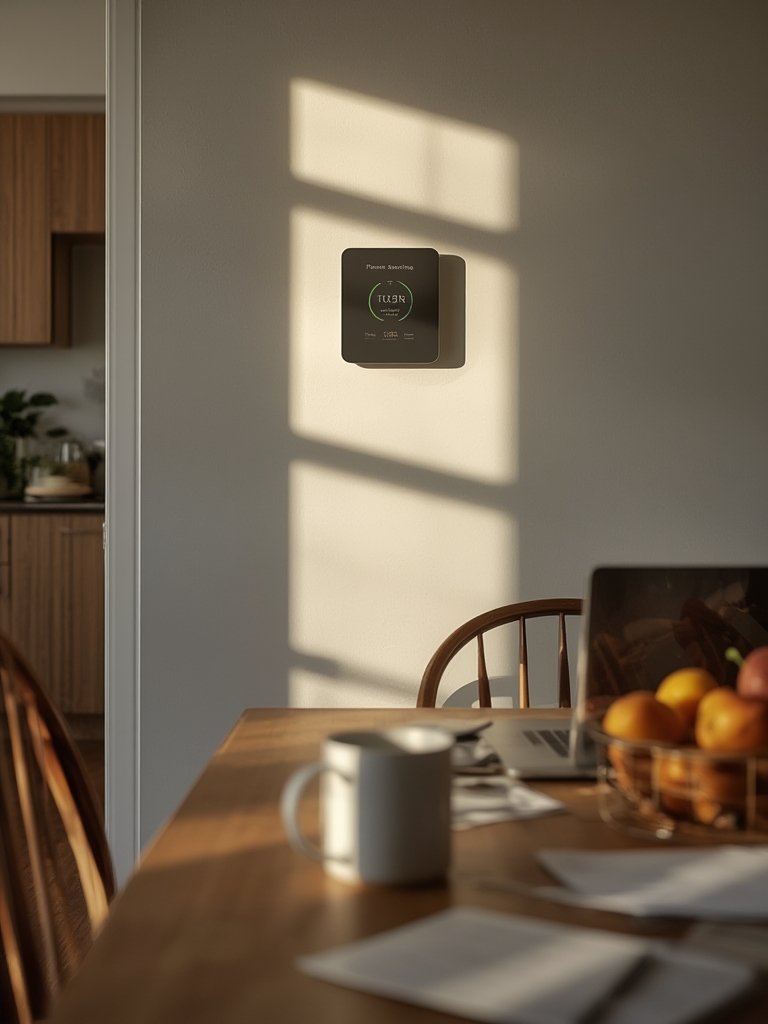
The latest trend? Integrating machine learning algorithms for predictive patterns, letting your home know your routine better than you do, as supported by industry tech reviews. Still, energy savings and user satisfaction can vary: not every home will see dramatic drops in utility bills overnight.
Conclusion
Smart home energy management is no longer an experiment for the future—it’s a mainstream, practical tool for anyone aiming to reduce costs, automate daily routines, and make smarter use of resources. The market is growing quickly, with new features like AI-powered automation and smoother device integration making these systems more usable than ever. But remember: real results depend on your device choices, setup approach, and willingness to engage with the analytics your system provides. Want to go deeper? Discover DIY tricks and next-level strategies for boosting comfort and savings with predictive automation. Start building your smart home energy management system today, and turn your home into a truly intelligent environment.
FAQ
What is smart home energy management?
It’s the use of connected devices and platforms to automatically monitor, control, and optimize your home’s energy use—helping you lower costs and increase efficiency through mobile apps, dashboards, and automation rules.
How much can I save with smart home energy management?
Actual savings depend on how many devices you manage, existing energy habits, and utility rates. Some users report modest savings at first, with larger gains as they automate more systems and optimize routines.
Are smart home energy management systems hard to install?
Device-level solutions like smart plugs are plug-and-play and simple for beginners. Whole-home monitoring or integrating HVAC and solar can be more complex, sometimes needing electrician support. Starting small and scaling up is the best approach.
Do all systems work together, or will I need multiple apps?
Compatibility is a challenge. The best way to reduce app overload is to choose devices that support a universal protocol like Matter, or to use a central dashboard or smart hub that brings everything together.
Can I use smart energy management with solar panels or EV chargers?
Yes, but make sure your system supports renewables integration. Not all platforms are compatible with solar monitoring or smart EV charging by default—future-proof choices will let you expand when you’re ready.